Hydrostatic Head Tester | Reliable Waterproof Testing Solutions
Blog 2 12 月, 2025
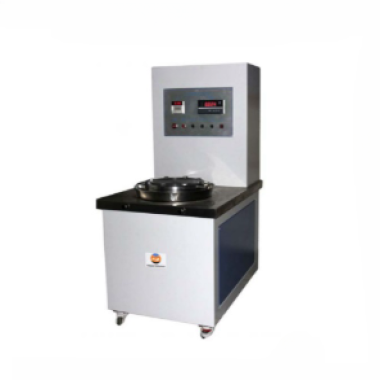
The Hydrostatic Head Tester is a precision laboratory instrument designed to evaluate the water resistance of fabrics, coatings, and composite materials. By applying controlled hydrostatic pressure, this tester measures the fabric’s ability to withstand water penetration, providing critical data for textile, outdoor gear, and protective material manufacturers. Equipped with a programmable PLC control system and digital cycle counter, it delivers reliable and repeatable test results.
Applications
The Hydrostatic Head Tester is widely used for testing water-repellent fabrics, waterproof coatings, rainwear, tents, and other outdoor textile products. It is essential for quality control, research and development of new water-resistant materials, and compliance with international water resistance standards. The tester ensures that materials meet performance requirements for durability and water protection.
Standards Compliance
The Hydrostatic Head Tester complies with the following standards:
ISO 811: Textiles — Determination of resistance to water penetration — Hydrostatic pressure method
AATCC 127: Water Resistance: Hydrostatic Pressure Test
GB/T 4744: Textile Fabric Water Resistance Test
Other international and domestic hydrostatic pressure testing standards
Technical Parameters
| Parameter | Specification |
|---|---|
| Test Stations | 1–4 (simultaneous operation) |
| Stroke Frequency | 100–300 cycles/min (adjustable) |
| Bending Angle | 0–90° (customizable) |
| Load Capacity | 0–50 N (adjustable) |
| Sample Dimensions | 150 × 30 mm (standard) |
| Control System | PLC with touchscreen (programmable cycles, angles, loads) |
| Power Supply | 220V/50Hz, 120W |
| Dimensions | 600 × 450 × 500 mm |
| Net Weight | 45 kg |
| Cycle Counter | Digital (1–999,999 cycles) |
Testable Parameters
The Hydrostatic Head Tester evaluates:
Water resistance under variable pressure
Fabric penetration time and pressure
Durability of coatings and seams
Performance under adjustable bending and load conditions
Advantages and Limitations
Advantages: Accurate and repeatable testing, multiple test stations, programmable settings, user-friendly, compact design, low maintenance.
Limitations: Requires stable laboratory environment, careful calibration, and initial investment may be higher for small-scale operations.
Usage Precautions
Ensure samples are securely mounted and aligned. Inspect mechanical parts and PLC system regularly. Adjust cycles, loads, and angles based on material type. Keep the tester clean and dry when not in use to maintain accuracy and longevity.
Frequently Asked Questions
Can the tester handle multiple samples at once?
Yes, it supports 1 to 4 simultaneous test stations.
Is it suitable for all fabric types?
Yes, including natural fibers, synthetic textiles, coated fabrics, and composites. Adjustable load and angle accommodate various materials.
How accurate are the results?
High-precision sensors and a PLC system ensure reliable, repeatable results compliant with ISO and AATCC standards.
Is the tester easy to operate?
Yes, the touchscreen interface allows simple programming of cycles, angles, and loads, requiring minimal training.
What maintenance is needed?
Routine checks of moving parts, cleaning, and verifying PLC system functionality are sufficient for long-term stable operation.