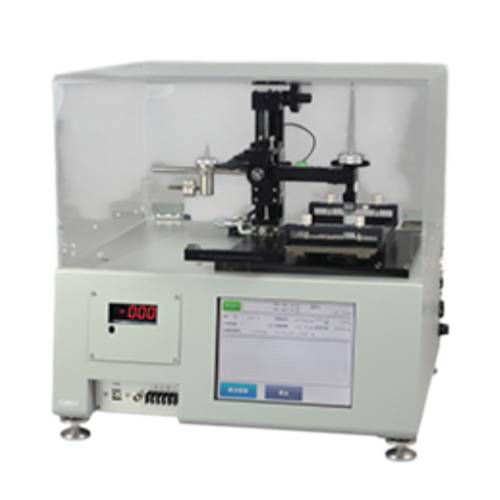
Friction and Wear Test Machine
Category:Abrasion Tester
Introduction
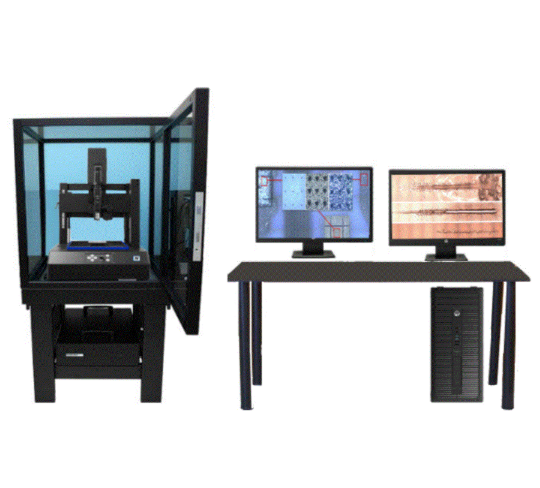
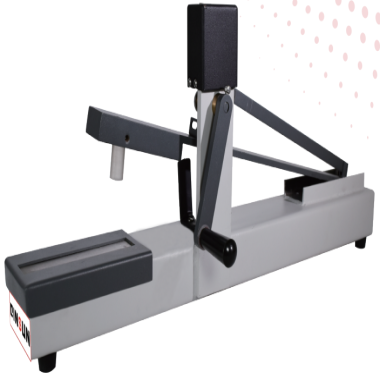
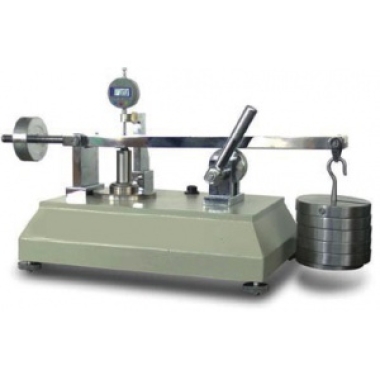
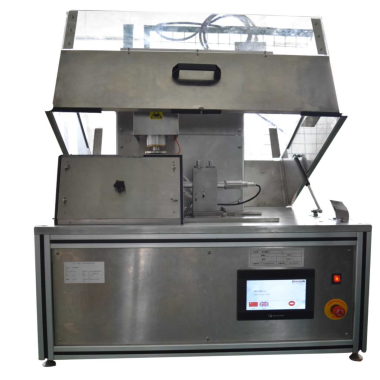
The Friction and Wear Testing Machine is a precision instrument designed to measure the coefficient of friction, wear volume, and related mechanical properties of materials under controlled load and speed conditions. Driven by an AC servo motor with a gear-and-rack transmission system, the machine delivers stable and accurate motion control. The worktable supports both constant load and continuous loading modes, enabling reliable low-, medium-, and high-load testing to meet the analytical requirements of laboratory research and industrial development.
Application
Materials science research: Evaluation of friction and wear behavior of metals, alloys, ceramics, polymers, and composite materials
Surface treatment and coating assessment: Wear resistance testing of surface treatments and coatings, including powder coatings, sprayed layers, and heat-treated surfaces
Mechanical component performance evaluation: Tribological analysis of gears, bearings, sliding pairs, and contact components
Industrial quality control: Routine friction and wear testing during production to ensure compliance with performance requirements
Academic and research laboratories: Fundamental tribology research and educational testing
Typical test samples include:
Metallic and alloy specimens
Ceramic and coated surfaces
Polymer films, sheets, and molded parts
Composite materials
Mechanical contact components
Standards
GB/T 6040-2008 Test Method for Wear Resistance of Metal Surfaces
GB/T 17657-2022 Test Methods of Evaluating the Properties of Wood-Based Panels and Surface-Finished Panels (including abrasion and scratch tests)
ISO 20502 Fine Ceramics and Coatings — Scratch and Wear Testing
ASTM D3702 Test Method for Wear Rate of Materials Using a Rotating Drum Apparatus
ASTM D1894 Test Method for Static and Kinetic Coefficients of Friction of Plastic Film and Sheeting
JIS K 7317:2022 Plastics — Film and Sheeting — Determination of Coefficient of Friction
JIS L 0849 Testing Methods for Abrasion Resistance of Plastic Products
Parameters
| Parameter | Specification |
|---|---|
| Sliding speed | 5 mm/min – 6000 mm/min |
| Drive motor | AC servo motor |
| Drive mechanism | Rack and pinion |
| Sliding distance | 1 – 100 mm |
| Motion mode – single | Stops automatically after preset distance |
| Motion mode – reciprocating | Reciprocating motion at set distance (up to 9.999.999 cycles) |
| Measurement range | 0 – 1000 gf |
| Safety device | Overload protection |
| Operating environment | 0 – 50 °C, ≤85% RH, non-condensing |
| Power supply | AC 100 V, 50/60 Hz |
| Dimensions | W 475 × D 450 × H 475 mm (excluding protrusions) |
Features
Load transducer positioned directly above the measurement point, eliminating unnecessary mechanisms and enabling direct friction force measurement
Optimized structural design minimizes response delay and setup-induced measurement errors
Orthogonal arrangement between worktable sliding direction and mechanical arm, eliminating load variation between forward and return strokes
Significantly improved repeatability and reliability of wear test results
Standard large pop-up acrylic safety cover allows observation during testing
Optional sealed enclosure configuration supports testing under controlled environmental or temperature conditions
Accessories
(1) Standard accessory set supplied with the machine
(2) Safety acrylic cover
(3) Operating documentation
FAQ
1. What is the core advantage of this product?
The direct load measurement design and optimized mechanical layout provide high measurement accuracy and stable, repeatable friction and wear data.
2. Are the test results reliable?
Yes. The AC servo drive, rack-and-pinion transmission, and overload protection ensure consistent motion control and reliable test results.
3. Which international or industry standards does it comply with?
The machine supports multiple GB, ISO, ASTM, and JIS standards related to friction, wear, abrasion, and scratch testing.
4. Why is this product important?
Accurate friction and wear evaluation is essential for material selection, durability assessment, and performance optimization in engineering and manufacturing.
5. Which fields is this product suitable for?
It is suitable for materials research institutes, industrial R&D departments, quality inspection laboratories, and academic institutions.