Surface Performance Tester
Category:Abrasion Tester
Introduction
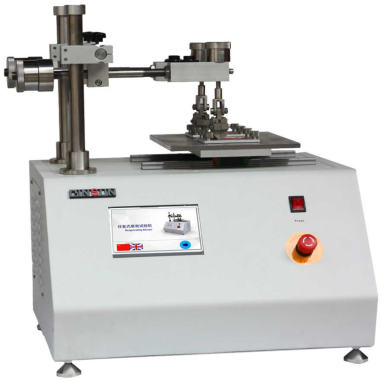
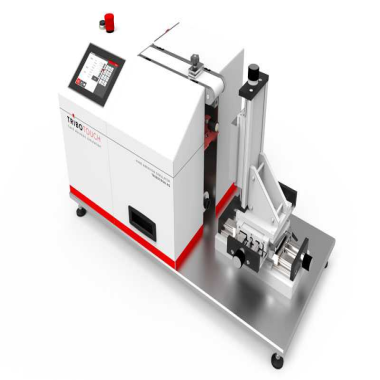
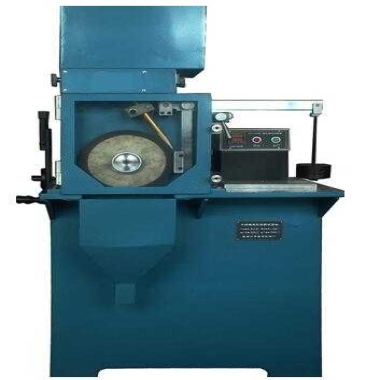
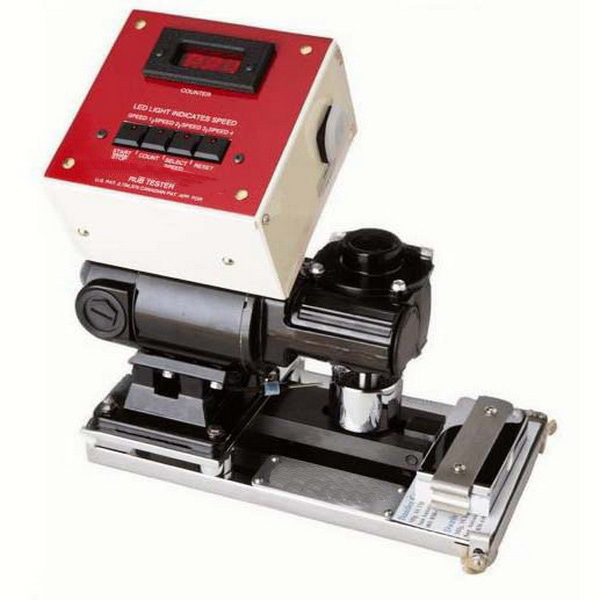
The Surface Performance Testing Machine is a multifunctional tribological testing instrument designed to evaluate friction, wear, scratch resistance, and related surface properties of various materials. By applying controlled linear motion under defined loads, the system enables precise measurement of friction force, wear behavior, and surface performance under dry, lubricated, heated, or cooled conditions. It is suitable for comprehensive surface performance evaluation in both laboratory research and industrial quality control.
Application
Electronic product surfaces: Evaluation of wear resistance and color fading of coatings on mobile phone housings and keypads
Paper and printing materials: Measurement of friction between paper surfaces to prevent paper jams in printers and copiers
Abrasive materials: Quantification of grinding performance and wear characteristics of sandpaper
Rubber materials: Wear resistance testing of rubber components, including observation of automotive tire wear behavior
Rubber–glass interfaces: Friction performance evaluation between rubber and glass, such as wiper blade interaction with windshields
Flat materials: Friction performance testing of various flat sheet and panel materials
Environmental testing: Friction and wear testing under oil immersion, elevated temperature, or cooling conditions
Coated surfaces: Friction, wear, and scratch testing of coatings across different material systems
Typical test samples include:
Plastic housings and coated components
Paper and paperboard materials
Rubber products and elastomers
Glass and coated glass surfaces
Films, sheets, and surface-treated panels
Standards
GB/T 6040-2008 Test Method for Wear Resistance of Metal Surfaces
GB/T 9279-2007 Paints and Varnishes — Cross-Cut Test
JIS K 7125 Plastics — Tribological Test Methods
JIS K 5600 Testing Methods for Paints and Varnishes (including scratch, abrasion, and adhesion tests)
JIS L 0823 Test Methods for Abrasion Resistance of Plastic Films and Sheets
JIS P 8139 Determination of Friction and Wear Properties of Coatings
JIS P 8147 Determination of Surface Friction Coefficient and Scratch Properties of Coatings
ASTM D1894 Test Method for Static and Kinetic Coefficients of Friction of Plastic Film and Sheeting
Parameters
| Parameter Category | Specification |
|---|---|
| Sliding speed | 5 – 6000 mm/min |
| Drive motor | AC servo motor |
| Drive mechanism | Gear and rack transmission |
| Sliding distance | 1 – 100 mm |
| Motion mode | Single mode: stops automatically after preset distance |
| Reciprocating mode: preset distance, up to 99.999.999 cycles | |
| Measurement range | 10 – 100 gf or 0 – 2000 gf |
| Worktable size | 240 × 120 mm |
| Safety system | Overload protection (OVERLOAD) |
| Noise suppression | High-frequency noise suppression circuit |
| Zero adjustment | Digital servo automatic zeroing |
| Output (non-linearity) | 0 – 5 V (within 0.05% FS) |
| Sensitivity switching | 0 / 10 / 25 / 50 / 100% FS |
| Dynamic strain amplifier | S/N ratio: 60 dB (maximum sensitivity) |
| Frequency response | 2 kHz / −3 dB |
| Filter | 1 / 10 / 100 Hz low-pass filter |
| Operating environment | 0 – 50 °C, ≤85% RH, non-condensing |
| Power supply | AC 100 V, 50/60 Hz |
| Main unit dimensions | W 630 × D 350 × H 580 mm |
Features
Linear motion driven by a servo motor ensures stable and precise friction testing
Balanced mechanical arm structure minimizes the influence of adapter weight on vertical load
Direct transmission of friction force to the load sensor improves measurement accuracy
Supports a wide range of test heads and accessories for versatile surface performance evaluation
Touchscreen interface enables intuitive operation and real-time data display
Capable of testing under special environments, including lubricated, heated, or cooled conditions
Maintenance Information
Clean the worktable and test heads after each test
Inspect mechanical arms and transmission components regularly
Verify load sensor performance and zero calibration periodically
Keep electronic components free from dust and moisture
Store accessories and weights properly to prevent damage
FAQ
1. What is the core advantage of this product?
Its multifunctional design allows friction, wear, scratch, and surface adhesion testing within a single platform, covering a wide range of materials and applications.
2. Are the test results reliable?
Yes. The balanced mechanical structure, servo-driven motion, and high-quality signal amplification ensure stable, repeatable, and accurate measurements.
3. Which international or industry standards does it comply with?
The machine supports multiple GB, JIS, and ASTM standards related to friction, wear, scratch resistance, and surface performance testing.
4. Why is this product important?
Surface performance directly affects product durability, functionality, and user experience. Accurate testing helps optimize material selection and product design.
5. Which fields is this product suitable for?
It is suitable for electronics manufacturing, materials research, coating evaluation, paper and printing industries, automotive components, and academic laboratories.