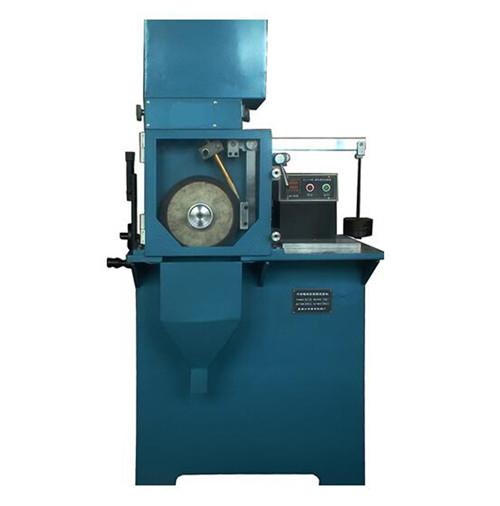
Abrasive Wear Testing Machine
Category:Abrasion Tester
Factory Direct
Stable Performance
Intl. Standards
Tech Support
Fast Delivery
Global Shipping

Introduction
Abrasive wear testing machines are mainly used to evaluate the surface wear performance of materials. They conduct abrasive wear tests on materials by simulating the friction and wear process under real working conditions.
Application
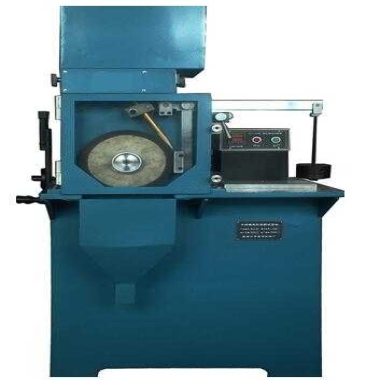
The wet – type rubber wheel abrasive wear testing machine is primarily employed to assess the wear – resistance of metal materials when they are in frictional contact with solids like sand, ores, and sediment. Through these tests, the capabilities of various metal materials to resist abrasive wear can be ascertained, and investigations into the abrasive wear mechanism can be carried out. This empowers the design, production, and scientific research departments related to mining machinery, construction machinery, transportation machinery, agricultural machinery, and so on to choose appropriate metal materials and manufacturing processes.
Standard
(1)ASTM G65 – 04:Standard Test Method for Measuring Abrasion Using the Dry Sand/Rubber Wheel Apparatus
(2)GB/T 3960-1983:Test method for friction and wear of plastics by sliding
Parameters
| Description | Details |
|---|---|
| Load | 100 Newton |
| Disc speed | 60. 120 rpm |
| Sample feed | 1. 2. 3. 4 mm / turn |
| Sample diameter | 2. 3. 4 mm |
| Auto-control system counting range | 0-99999999 (can be stopped at a given number of revolutions) |
| Overall dimensions | 560 × 540 × 1020mm |
| Weight | 350Kg |
Features
This testing machine is composed of two components: the main unit and the control system. The main – unit part comprises the machine base, main shaft and drive system, dead – weight loading system, and specimen clamping device. The control system includes the measurement and control section as well as the display instrument section. The two sections are linked by a control cable
Accessoriess
Test rings and blocks, abrasive paper, standard steel balls, test discs, etc.
FAQ
1. What is an Abrasive Wear Testing Machine?
The Abrasive Wear Testing Machine is a device used to evaluate the resistance of materials, coatings, or components to wear caused by abrasive particles, simulating real-world friction and erosion conditions.
2. How does the abrasive wear test work?
The machine subjects a sample to controlled contact with an abrasive medium (e.g., sand, alumina, or silicon carbide) under a specified load, speed, and motion. Material loss is measured after a defined number of cycles to determine wear resistance.
3. What types of materials can be tested?
It can test metals, ceramics, polymers, composites, coatings, and rubber materials used in automotive, industrial, construction, and aerospace applications.
4. What parameters are measured during testing?
The machine measures wear rate, weight or volume loss, surface roughness changes, friction coefficient, and damage morphology. Some models provide real-time data logging and automated analysis.
5. Why is abrasive wear testing important?
Testing ensures materials and coatings can withstand abrasive environments, improving durability, safety, and lifespan. It helps manufacturers select appropriate materials, optimize surface treatments, and predict maintenance intervals.
If you're ready to take the next step, Leave your message below and we'll reply soon. 20+ years of manufacturing & export experience, a partner you can trust.