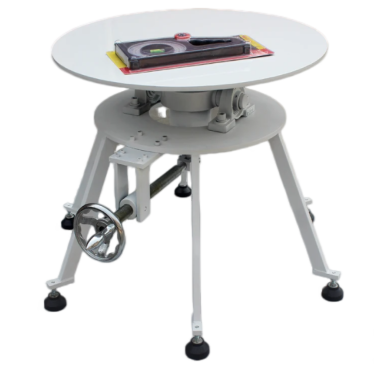
Appliance Stability Tester
Category:Appliance Tester
Factory Direct
Stable Performance
Intl. Standards
Tech Support
Fast Delivery
Global Shipping

Introduction
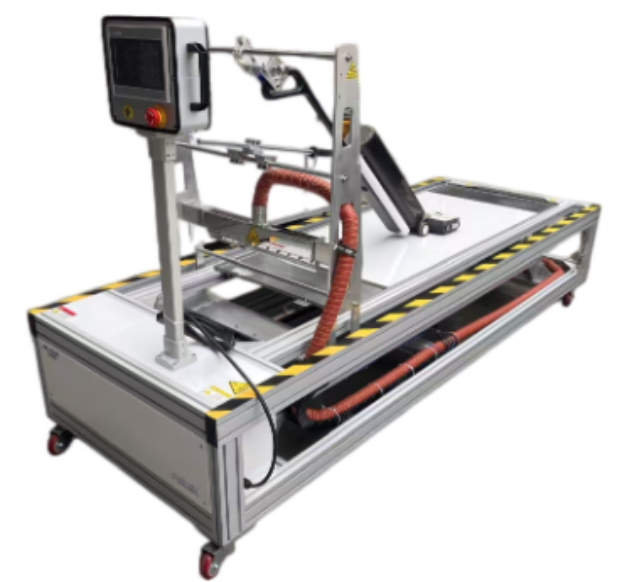
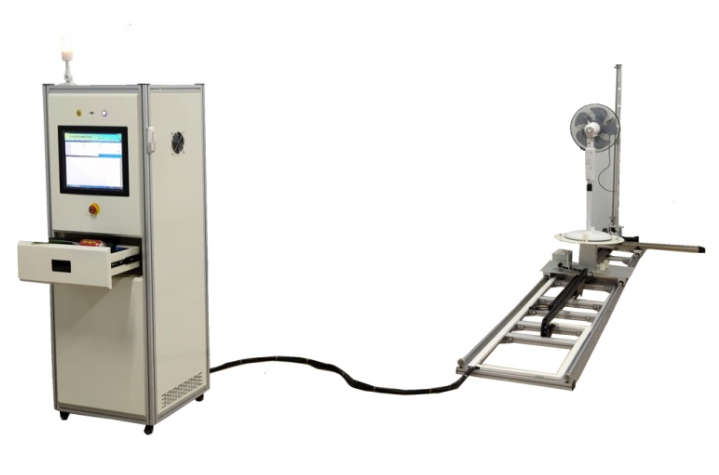
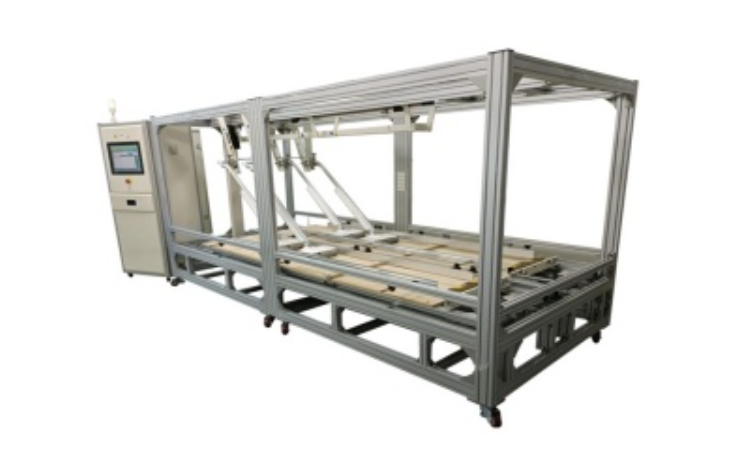
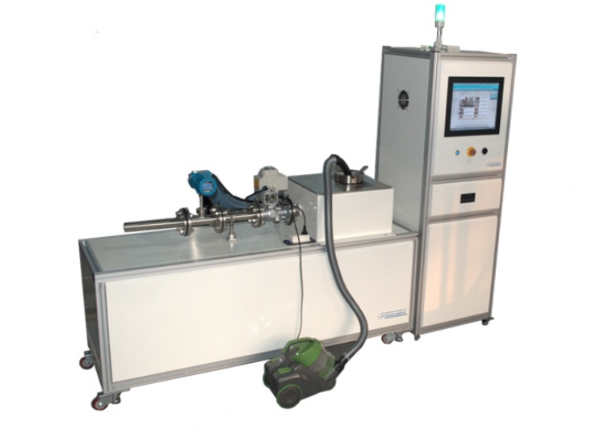
The Appliance Stability Tester is designed to evaluate the mechanical stability and anti-tipping safety of household and similar electrical appliances when placed on an inclined supporting surface. By tilting the test platform to specified angles in accordance with international safety standards, the tester objectively determines whether an appliance will overturn under normal or foreseeable misuse conditions. It is an essential safety compliance instrument for appliance manufacturers, testing laboratories, and certification bodies.
Application
(1) Stability testing of large household appliances (refrigerators, freezers, washing machines, dryers)
(2) Stability assessment of kitchen appliances installed on floors or countertops (dishwashers, ovens, microwave ovens)
(3) Mechanical stability evaluation of air conditioners, dehumidifiers, and similar floor-standing appliances
(4) Safety testing of commercial and light industrial electrical appliances requiring surface operation
(5) Compliance testing during product certification, type testing, and factory quality control
(6) R&D evaluation of structural design and center-of-gravity optimization for new appliance models
Standards
(1) GB 4706.1 — Household and similar electrical appliances – Safety – Part 1: General requirements (Clause 20.1 Stability)
(2) IEC 60335-1 — Household and similar electrical appliances – Safety – Part 1: General requirements (Clause 20.1 Stability)
(3) EN 60335-1 — European adoption of IEC 60335-1 (Stability requirements)
(4) GB/T 21547-2008 — Safety requirements for household and similar electrical appliances (related stability clauses)
(5) UL 60335-1 — Safety of Household and Similar Electrical Appliances (stability-related requirements)
Parameters
| Item | Description |
|---|---|
| Work surface | Flat workbench with integrated angle adjustment mechanism |
| Load capacity | ≤ 100 kg |
| Angle adjustment range | 0° – 15° (typical), higher angles optional |
| Angle accuracy | ±0.5° |
| Rotation function | Rotatable platform, adjustable speed |
| Vibration simulation | Frequency range 5 – 200 Hz (optional) |
| Measurement system | Force sensor and displacement measurement (optional) |
| Safety protection | Emergency stop button, anti-tipping brackets |
| Power supply | AC 220 V, 50 Hz (if motorized functions applied) |
Features
(1) Fully compliant with major national and international appliance safety standards
(2) Adjustable tilt angle mechanism to accurately simulate standard-required inclination conditions
(3) Rigid and stable workbench capable of supporting heavy appliances
(4) Simple mechanical structure with intuitive operation
(5) Suitable for a wide range of appliance sizes and weights
(6) Enables objective and repeatable evaluation of tipping and sliding risks
Accessories
(1) Adjustable angle positioning mechanism
(2) Appliance fixing and anti-slip supports
(3) Safety protection guards and emergency stop device
(4) Optional vibration simulation and measurement modules
Maintenance Information
(1) Regularly inspect the angle adjustment mechanism for smooth operation
(2) Keep the workbench surface clean and free from oil or debris
(3) Periodically verify angle accuracy using calibrated measuring tools
(4) Check safety guards, fasteners, and emergency stop function before testing
(5) Store the equipment in a dry environment to prevent corrosion and mechanical degradation
FAQ
1. What is the primary purpose of this tester?
It evaluates the stability and tipping resistance of household or commercial appliances to ensure they remain upright under normal use and external forces.
2. Which types of appliances can be tested?
The tester is suitable for refrigerators, washing machines, ovens, water dispensers, and other freestanding appliances.
3. How does the tester simulate real-world conditions?
It applies controlled tilting, pushing, or load forces to the appliance to simulate accidental bumps or uneven surfaces.
4. Which standards does this tester comply with?
It supports international safety standards for appliance stability, including IEC 60335. EN 60335. and relevant national regulations.
5. Who typically uses this equipment?
Appliance manufacturers, safety testing laboratories, and quality control teams use it to verify product stability, ensure user safety, and comply with regulatory requirements.
If you're ready to take the next step, Leave your message below and we'll reply soon. 20+ years of manufacturing & export experience, a partner you can trust.