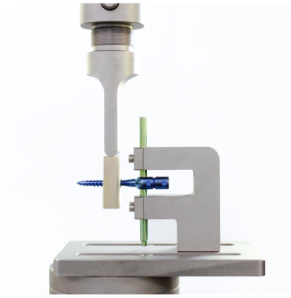
Bone Plates Static Four – point Bending Tester
Category:Medical Device Tester
Factory Direct
Stable Performance
Intl. Standards
Tech Support
Fast Delivery
Global Shipping

Introduction
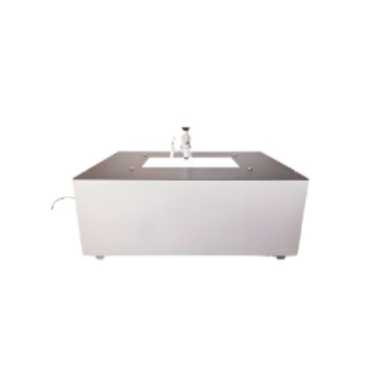
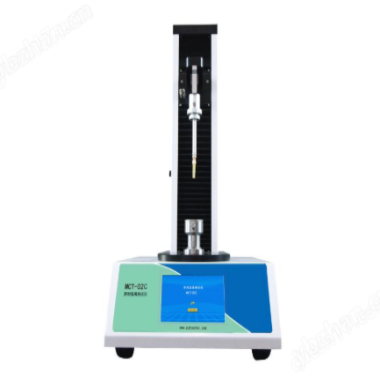
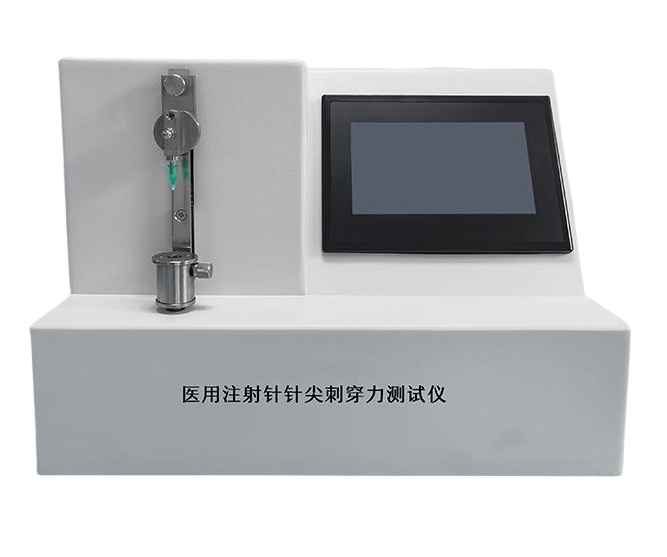
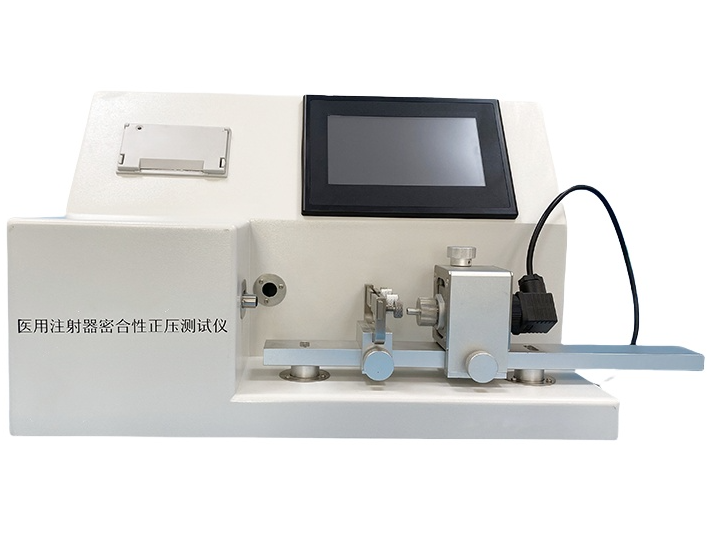
The Bone Plates Static Four-Point Bending Tester is a specialized mechanical testing device used to evaluate the structural strength and stiffness of orthopedic bone plates under static loading conditions. By applying controlled forces at four points along the plate, the machine simulates bending stresses similar to those experienced in the human skeletal system. It measures key mechanical properties such as bending strength, flexural stiffness, and deformation until failure. This data helps manufacturers, researchers, and clinicians ensure that bone plates meet safety and performance standards for orthopedic fixation applications.
Standard
(1)YY/T 0342-2022: Chinese standard specifying methods for determining bending strength and equivalent bending stiffness of straight and pre-angled metallic bone plates.
(2)ASTM F382: International standard covering mechanical testing, dimensional requirements, and reporting protocols for metallic bone plates.
Technical Parameters
| Parameter | Specification |
|---|---|
| Force Range | 10 N–10 kN (axial) |
| Torque Range | 0.1–500 Nm (torsional) |
| Crosshead Speed | 0.001–500 mm/min |
| Temperature Range | Ambient (optional: -20°C to +150°C with chamber) |
| Power Supply | 220V/110V, 50/60Hz |
| Dimensions (W×D×H) | 600×500×1.600 mm |
| Weight | 280 kg |
| Compliance | CE, ISO 13485. YY/T 0342. ASTM F382 |
Maintenance Information
(1)Inspection: Regularly check fixtures, clamps, and load cells for wear or damage.
(2)Cleaning: Keep load surfaces, fixtures, and moving parts free from debris and residue from previous tests.
(3)Calibration: Periodically calibrate sensors and load cells to maintain measurement accuracy.
(4)Lubrication & Safety Checks: Lubricate moving parts as recommended and ensure emergency stops and protective covers are functional.
FAQ
1. What is the Bone Plates Static Four-Point Bending Tester used for?
It evaluates the bending strength, stiffness, and deformation of orthopedic bone plates under controlled static loads.
2. How is a test specimen prepared for testing?
Bone plates are inspected for defects, measured for dimensions, and mounted securely in the four-point bending fixture.
3. What type of loading does the machine apply?
The machine applies a controlled static four-point bending load to simulate mechanical stresses on bone plates in vivo.
4. What data does the tester provide?
It measures bending strength, flexural stiffness, displacement, and deformation until failure, helping assess plate performance.
5. How should the tester be maintained?
Regular maintenance includes inspecting fixtures and load cells, cleaning moving parts, calibrating sensors, and checking safety features.
If you're ready to take the next step, Leave your message below and we'll reply soon. 20+ years of manufacturing & export experience, a partner you can trust.