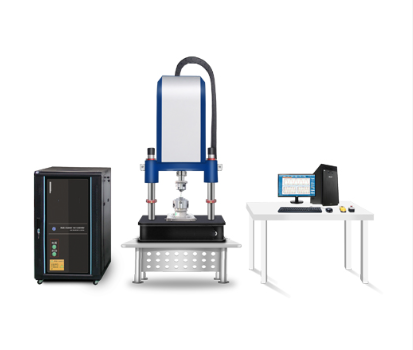
Bone Screw Pull-out Tester
Category:Medical Device Tester
Factory Direct
Stable Performance
Intl. Standards
Tech Support
Fast Delivery
Global Shipping
Introduction
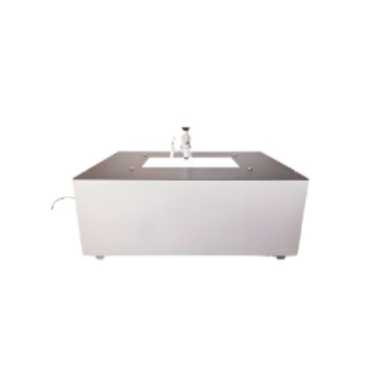
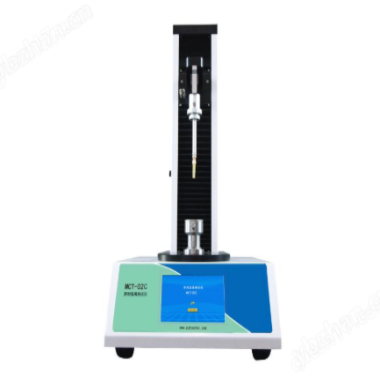
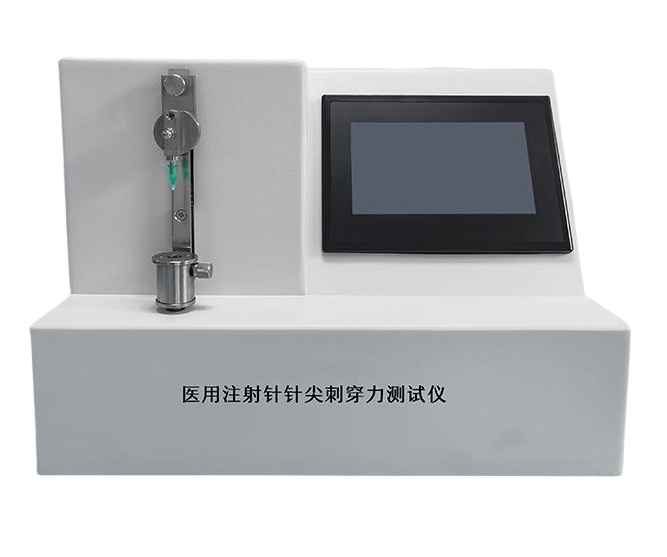
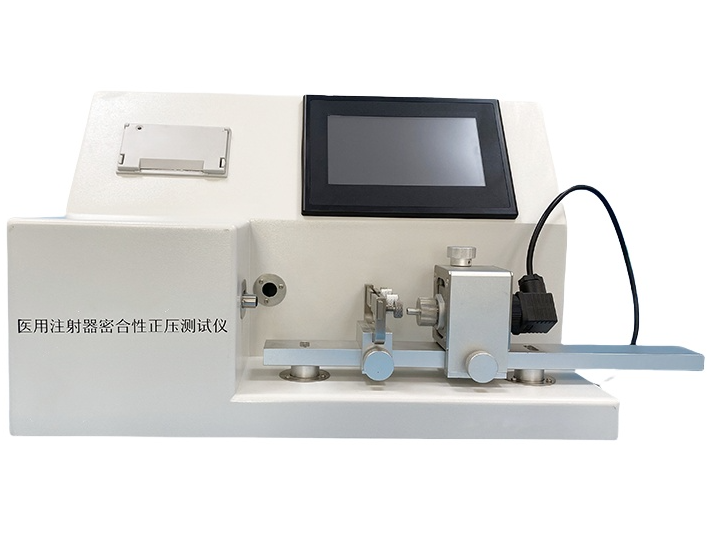
A Bone Screw Pull-out Tester is a specialized testing device used to measure the pull-out strength of bone screws from materials such as bone or synthetic substrates. It applies a controlled axial force to determine the fixation strength and holding capacity of the screw. This equipment is widely used in medical device testing, orthopedic research, and quality control to ensure the safety and reliability of implants.
Standard
YY/T 1504. ASTM F543:
standard specifies a test method for measuring the axial force required to extract or fail a metallic bone screw from a specified material.
Kell Measurement & Control provides you with professional test fixtures to meet the requirements of the standard, and accurate and effective test plans (SOPs) to help analyze the mechanical properties of metal splice screws.
Technical parameters
1. Unit: N-m
2.Resolution: 0.001N.m
3… Torque range: 0-10N.m
4. Torque sensor accuracy level: less than 0.5%F.S.
5.Speed accuracy: ±0.01mm/min
6. Axial force sensor: 2000N (taking into account the axial pull-out force test)
7. Pressure sensor accuracy level: less than 0.5%F.S.
8. Pressure sensor resolution: 0.001N
9. Linear displacement sensor: range above 50m.
10. Displacement sensor accuracy level: less than 0.5%F.S.
11. Displacement sensor resolution: 0.01mm
12. Torsion angle sensor: 999999 °
13. Torsion angle accuracy: ±0.2°.
14. Torsion speed: 1r/min ~ 30r/min within any choice
15. Effective stroke: 500±10mm (can be increased according to demand)
16. Torque resolution 1/±1000000F.S
17.Relative error of torque display value ≤±0.2%.
18.Torsion angle resolution 0.001°.
19. Relative error of torsional angular velocity within ±0.5% of set value
20. Coaxiality of the two collets ≤ ¢0.2mm
21 machine power ≈ 0.4kW
22. Power supply voltage ~220V±10% 50Hz (must be reliably grounded)
Accessoriess
(1)Additional clamps, fixtures, or adapters to accommodate different sample sizes and types.
(2)Calibration weights or reference materials for verifying tester accuracy.
(3)Safety shields or protective covers to ensure operator safety during testing.
(4)Power cords, software, or data cables required for operation and data acquisition.
Maintenance Information
(1)Regular cleaning of the device, sensors, and fixtures to prevent contamination or wear.
(2)Lubrication of moving parts as specified by the manufacturer to ensure smooth operation.
(3)Periodic calibration and inspection to maintain measurement accuracy and compliance.
(4)Replacement schedules for consumables, worn components, or protective elements to prolong equipment life.
FAQ
What is a Bone Screw Pull-out Tester used for?
It is used to measure the axial pull-out strength of bone screws, evaluating fixation stability in orthopedic implants and materials testing.
What types of samples can be tested?
The device can test various bone screws, plates, and synthetic or cadaveric bone models.
How is a pull-out test performed?
The screw is inserted into the bone or model, secured in the tester, and an axial force is applied until failure occurs. The maximum force is recorded.
Can the tester provide real-time data?
Yes, most models come with software or sensors to monitor load, displacement, and pull-out strength in real time.
How do I maintain the tester?
Regular cleaning, calibration, and lubrication of moving parts are essential. Replace worn fixtures and check sensor accuracy periodically.
If you're ready to take the next step, Leave your message below and we'll reply soon. 20+ years of manufacturing & export experience, a partner you can trust.