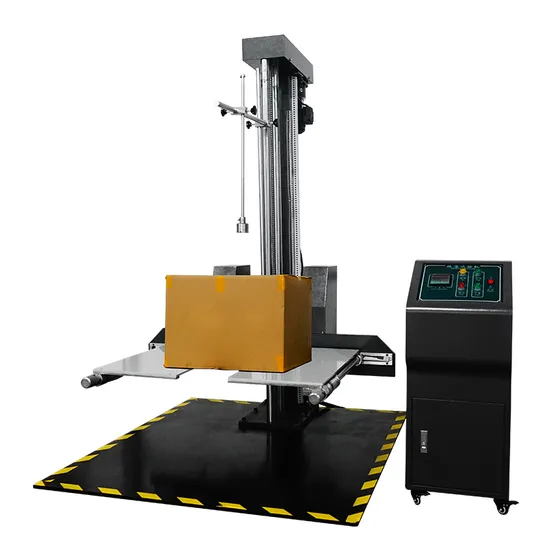
Carton drop tester
Category:Paper Testing Equipment

Introduction
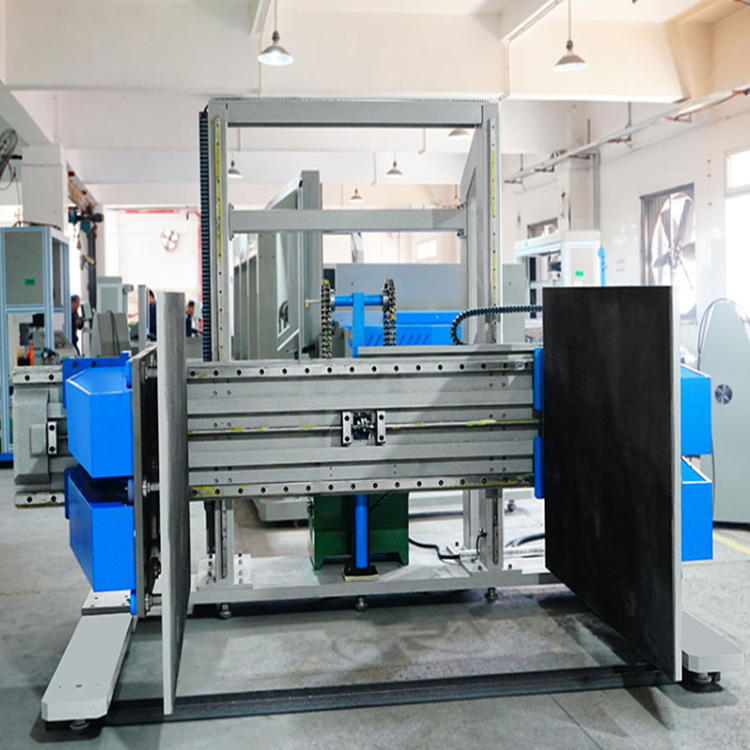
The Carton Drop Tester is designed to simulate the impact experienced by packaging during transportation, handling, and loading/unloading. It evaluates the impact strength of packages, the durability of materials, and the rationality of packaging design by performing controlled free-fall drops.
Applications
This tester is widely used in the packaging, logistics, electronics, food, pharmaceutical, and e-commerce industries. It is suitable for manufacturers of corrugated cartons, boxes, and transport packaging to ensure product protection and optimize packaging design.
Standards
The Carton Drop Tester meets the following international and national standards:
ISO 2248 – Packaging — Transport packages — Vertical impact test by dropping
GB/T 4857-5 – Packaging — Transport packages — Vertical impact test by dropping
ASTM D5276 – Standard test method for drop test of loaded containers by free fall
ISTA 1A, 2A, 3A – International Safe Transit Association protocols
ASTM 4619 – Standard test methods for packages
IEC 60068-2-31 – Environmental testing — Drop test
JIS Z0202 – Japanese Industrial Standard for package drop testing
EN 438-2.21 – High-pressure decorative laminates — Determination of impact resistance
Technical Parameters
| Parameter | Specification |
|---|---|
| Drop height | 300–1500 mm (adjustable) |
| Maximum sample weight | 70 kg |
| Maximum sample size | 800 × 800 × 800 mm |
| Impact panel size | 1700 × 1200 × 14 mm |
| Motor power | 1.85 kW |
| Overall dimensions (L × W × H) | 1700 × 1200 × 2350 mm |
| Net weight | ~600 kg |
| Power supply | AC 380 V, 50 Hz |
| Control | Motorized and pneumatic lifting, wired remote control |
| Drop test modes | Surface, edge, corner |
Features
Adjustable drop height from 300 mm to 1500 mm
Free, reliable, and precise release mechanism
Capable of surface, edge, and corner drop tests
Rigid impact surface to ensure consistent test conditions
Motorized or pneumatic lifting mechanism
Digital controls and touch-screen interfaces (optional)
Safety features to protect operators and equipment
Sturdy frame supporting packages up to 70 kg
Accessories
Adjustable sample holders
Remote control for motorized operation
Calibration reference standards (optional)
Safety guards and operator protection devices
FAQ
1. Why is the “Corner Drop” considered the most severe part of the test?
In a corner drop, the impact energy is concentrated on the smallest surface area. This often leads to the highest degree of deformation and is the most likely to cause structural failure in the corrugated board or damage to the product inside.
2. Can this machine test packages heavier than 70 kg?
This specific model is rated for a maximum of 70 kg. Testing heavier items could damage the motor or the release wings. For larger industrial pallets, a heavy-duty hydraulic drop tester would be required.
3. What is a “Free-Fall” and why does the wing speed matter?
A true free-fall occurs when the support is removed faster than the package can fall. Our tester’s wings are designed to snap away at a high velocity, ensuring that no friction from the machine interferes with the package’s natural acceleration due to gravity ($9.8 m/s^2$).
4. How do I determine the correct drop height for my product?
The drop height is usually determined by the weight of the package and the intended shipping method. For example, ISTA standards typically prescribe higher drops for lighter packages (which are often tossed) and lower drops for heavier packages (which are moved with equipment).
5. Is a 380V power supply mandatory?
Yes, the 1.85 kW motor used for lifting and the pneumatic controls require a 3-phase AC 380V supply to ensure consistent power and speed. Always ensure your lab is equipped with the correct industrial power outlet before installation.
If you're ready to take the next step, Leave your message below and we’ll reply soon. 20+ years of manufacturing & export experience, a partner you can trust.