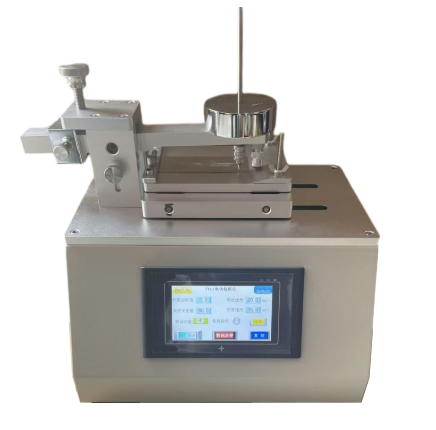
Coating Scratch Resistance Tester
Category:Scratch Tester
Factory Direct
Stable Performance
Intl. Standards
Tech Support
Fast Delivery
Global Shipping

Introduction
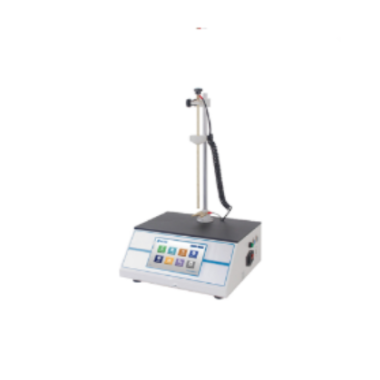
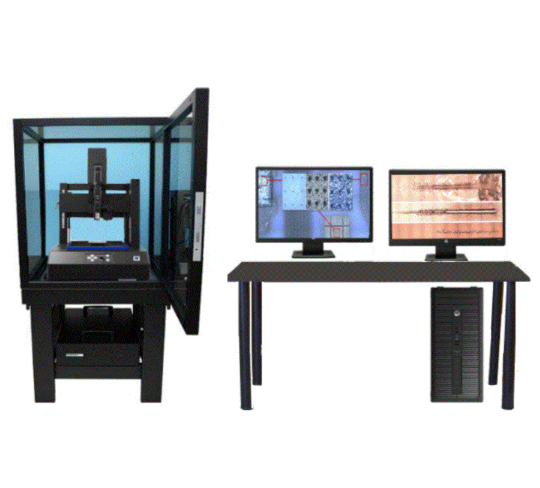
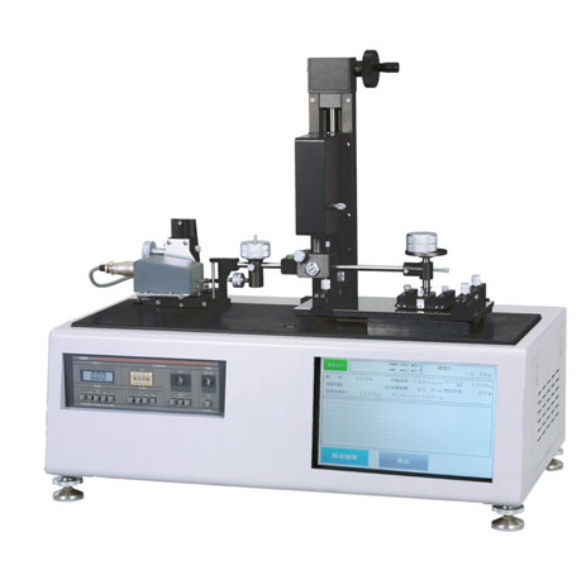
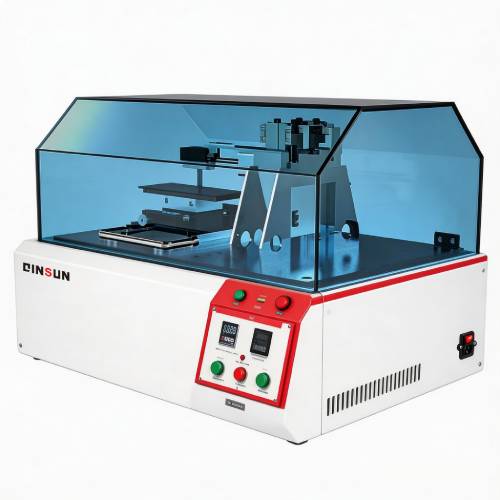
The Coating Scratch Resistance Tester is used to evaluate the scratch resistance of coatings. It is similar to conventional coating scratch tests, but this method uses an arc-shaped (ring or circular) stylus to measure the scratch resistance of single or composite coatings, including color paints, clear coatings, or related products.
Standard
GB/T 31591-2015: Methods for Determining the Scratch Resistance of Color and Clear Coatings
Application
Evaluate scratch resistance and surface durability of paints, varnishes, and protective coatings.
Test coatings used in automotive, aerospace, construction, and industrial applications.
Support quality control, product development, and compliance with industry standards.
Simulate real-world mechanical abrasion to assess coating performance and longevity.
Technical Parameters
| Parameter | Specification |
|---|---|
| Power | 15 W |
| Travel Stroke | 80 mm |
| Weights | 100 g ×1. 200 g ×2. 500 g ×1. 1000 g ×2. 2000 g ×1 |
| Stylus | Ring-shaped, diameter (6.5 ± 0.1) mm, radius R0.8 ± 0.02 mm, thickness (1.6 ± 0.02) mm; hardness HRC 56–58. surface roughness <0.05 μm |
| Stylus Movement Speed | 3–10 mm/s (adjustable in 0.5 mm increments) |
| Allowed Panel Thickness | 0–12 mm |
| Allowed Panel Width | 40–110 mm |
| Stylus Angle to Test Panel | 45° |
| Power Supply | Input 110–240 V AC, 50/60 Hz (Adapter output: 24 V, 2 A) |
| Dimensions (L × W × H) | 540 mm × 250 mm × 375 mm |
| Weight | 15 kg |
Testing Method
The test material or coating system is applied to a smooth test panel with a uniform surface texture at a consistent thickness. After drying or curing, the scratch resistance is determined by moving the test panel under the arc-shaped (ring or circular) stylus. The stylus is mounted at a 45° angle to the panel surface, and the applied load is gradually increased until the coating is scratched. The minimum load causing coating damage is taken as the load that produces scratching in at least 2 out of 5 measurements.
Features
Movable work platform allows users to quickly switch between different test areas on the same panel.
Extra-large platform accommodates test panels of various sizes (maximum 200 mm × 100 mm).
Adjustable balance arm allows scratch testing of panels with different thicknesses (0–12 mm).
Accessories
(1)Scratch Stylus/Needles: Various tips for different scratch hardness and shapes.
(2)Sample Holders/Clamps: Secure coated panels during testing.
(3)Load Weights: Standardized weights to apply controlled pressure.
(4)Control Unit: Adjusts speed, force, and test parameters.
Maintenance Information
Daily Cleaning: Wipe stylus, holders, and sample platform after each test.
Calibration: Regularly check force application and speed controls.
Inspection: Examine stylus tips and replace if worn or damaged.
Storage: Keep the machine in a clean, dry, and dust-free environment.
FAQ
1. What is the purpose of this tester?
It evaluates the scratch resistance and surface durability of coatings to ensure long-term performance and protection.
2. Which coatings can be tested?
Applicable to paints, varnishes, lacquers, and industrial protective coatings across automotive, aerospace, and construction sectors.
3. How is a scratch test performed?
A stylus or needle moves across the coated surface under controlled load and speed, and scratches are evaluated for width, depth, or failure point.
4. What standards does this tester comply with?
Supports industry standards such as ISO 1518. ASTM D7027. and other relevant coating scratch-resistance protocols.
5. How should the tester be maintained?
Clean stylus tips and sample holders after each test, calibrate load and speed settings regularly, inspect for wear, and store in a dust-free environment.
If you're ready to take the next step, Leave your message below and we'll reply soon. 20+ years of manufacturing & export experience, a partner you can trust.