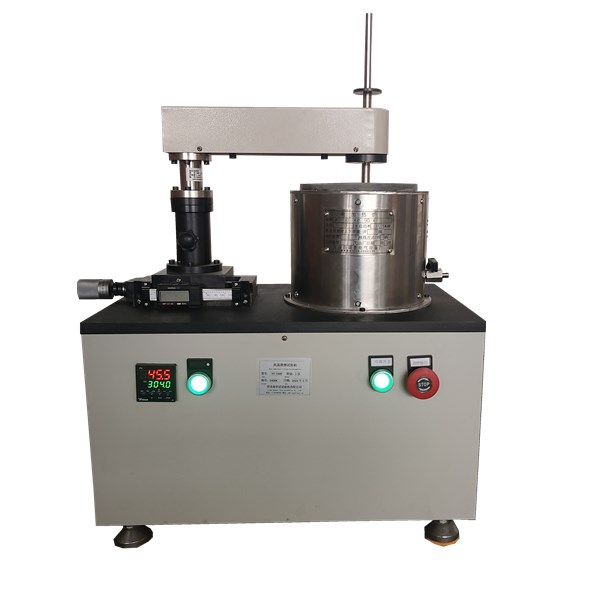
Computer-Controlled High-Temperature Friction Tester
Category:Abrasion Tester

Introduction
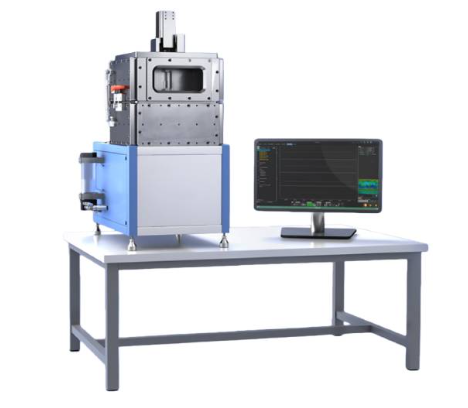
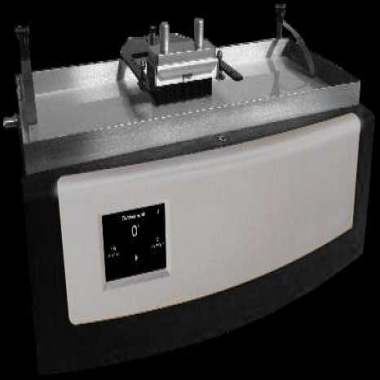
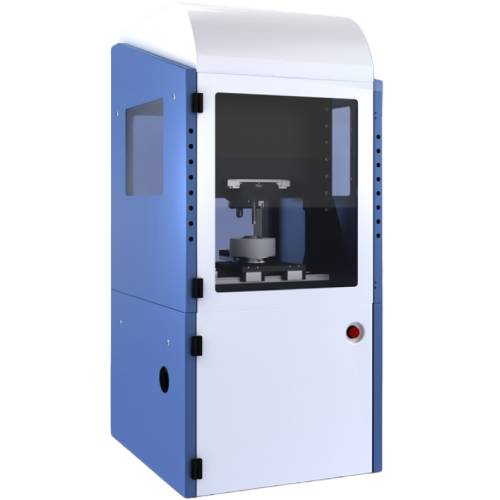
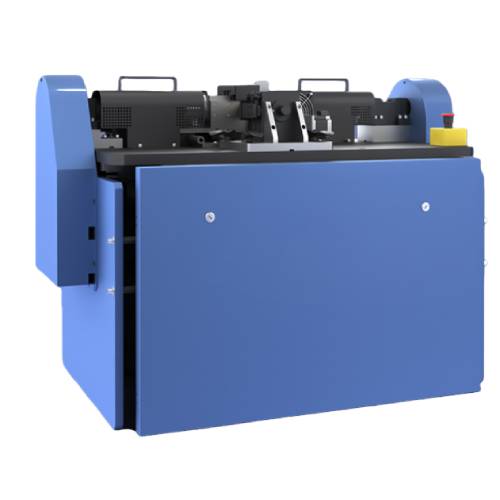
The Computer-Controlled High-Temperature Friction Tester is a precision tribology testing machine designed to measure friction, wear, and lubrication performance of metals, plastics, ceramics, rubber, and coatings under high-temperature and controlled environmental conditions. It supports various motion types, real-time data acquisition, and computer-controlled test parameters for accurate and reproducible results.
Application
This High-Temperature Friction Tester is mainly used for tribological and physical-chemical testing of metals, non-metals, plastics, glass, ceramics, rubber, and other materials. It can test friction and wear properties under a certain contact pressure and variable environmental conditions, such as vacuum, controlled gas atmosphere, or high-temperature environments. The friction force measurement has high precision.
With additional attachments, the machine can perform rolling, sliding, or combined rolling-sliding friction tests. It features a stepless speed regulation system, suitable for both low-speed and high-speed conditions to evaluate lubricants, metals, plastics, coatings, rubber, ceramics, etc. Examples of testing include pin-on-disk friction, ball-on-disk lubrication performance, and thrust washer wear performance.
All test parameters are computer-controlled, allowing measurement of friction force, calculation of friction coefficient, real-time data acquisition, and recording of friction force–time and friction coefficient–time curves.
Technical Specifications
| No. | Item | Details |
|---|---|---|
| 1 | Test force range | 150–2000 g |
| 2 | Test force loading method | Weight loading |
| 3 | Maximum spindle torque | 1.4 N·m |
| 4 | Friction force measurement range | 0–10 N |
| 5 | Dynamic friction force display accuracy | 0.001 N |
| 6 | Stepless spindle speed range | 1–3000 r/min |
| 7 | Spindle speed error | Better than ±1% |
| 8 | Friction radius adjustment range | 1–30 mm |
| 9 | Pin/ball specimen clamping range | 3–6 mm |
| 10 | Friction disk size | 10–60 mm, thickness 1–20 mm |
| 11 | Vertical loading lift range | 0–50 mm |
| 12 | Temperature measurement method | Thermocouple |
| 13 | Environmental atmosphere | Can be filled with inert gases such as N₂, Ar |
| 14 | Temperature heating range | Room temperature–1000℃ |
| 15 | Temperature measurement range | 0–1000℃ |
| 16 | Temperature measurement error | ±2℃ |
| 17 | Test time display and control range | 1 s–9999 min |
| 18 | Test rotation and control range | 0–999.999 r |
| 19 | Total machine power | 2 kW |
| 20 | Main unit dimensions | 500 × 300 × 600 mm |
| 21 | Main unit weight | 70 kg |
| 22 | Operating voltage | AC 220 V, 50 Hz |
Features
Computer-Controlled Operation: Enables precise automation of test parameters and data acquisition.
High-Temperature Capability: Can test materials at elevated temperatures to simulate extreme working conditions.
Adjustable Load and Speed: Allows control of normal force and sliding speed for versatile testing.
Real-Time Friction Measurement: Uses high-precision sensors to record friction coefficient continuously.
Wear Rate Analysis: Measures material loss for accurate wear evaluation.
Heating and Cooling System: Maintains consistent test temperatures with optional cooling for rapid stabilization.
Data Acquisition and Analysis Software: Records, visualizes, and analyzes test data for friction and wear.
Versatile Material Compatibility: Suitable for metals, ceramics, composites, polymers, and coatings.
Safety Protection: Includes thermal insulation and overload protection for safe operation.
Standard Compliance: Supports international standards such as ASTM, ISO, and GB/T for friction and wear testing.
Accessories
(1)Test Specimens and Holders: Standardized pins, discs, or blocks for high-temperature testing.
(2)Heating and Cooling Modules: High-precision furnaces or temperature-controlled platforms.
(3)Load and Force Sensors: For accurate measurement of applied load and frictional force.
(4)Data Acquisition System: Collects and stores real-time friction and wear data.
Maintenance Information
Daily Cleaning: Wipe specimen holders, heating surfaces, and removable parts after each test.
Calibration: Regularly check and calibrate sensors, load cells, and temperature controllers.
Lubrication: Apply grease or oil to moving parts to reduce mechanical wear.
Inspection and Storage: Check for damage, keep the tester dust-free, and store in a stable, dry environment.
FAQ
1. What materials can be tested with this instrument?
It can test metals, ceramics, polymers, composites, and coated materials under high-temperature conditions.
2. What is the maximum temperature range of the tester?
The tester is designed for high-temperature operation, typically up to 1000 °C or as specified by the model.
3. How is friction and wear measured?
Friction is recorded continuously using precision force sensors, while wear is measured by mass loss, dimensional changes, or surface analysis after testing.
4. Can the tester simulate real-world operating conditions?
Yes, it supports adjustable load, sliding speed, stroke, and temperature control to replicate extreme working environments.
5. How should the instrument be maintained?
Daily cleaning of holders and heating surfaces, regular calibration of sensors, lubrication of moving parts, and proper storage in a clean, dry environment are recommended.
If you're ready to take the next step, Leave your message below and we’ll reply soon. 20+ years of manufacturing & export experience, a partner you can trust.