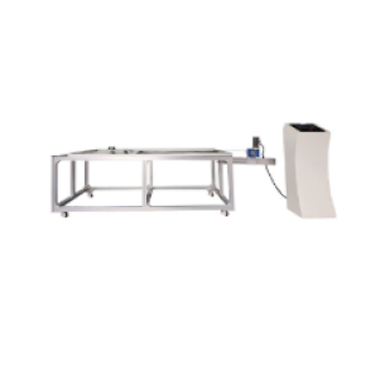
Cut Susceptibility Tester
Category:Material Strength Tester
Factory Direct
Stable Performance
Intl. Standards
Tech Support
Fast Delivery
Global Shipping

Introduction
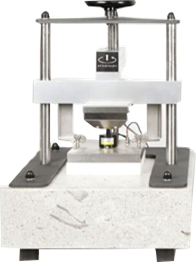
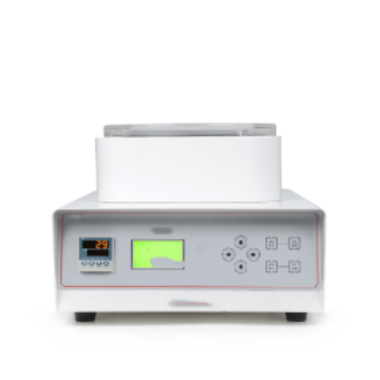
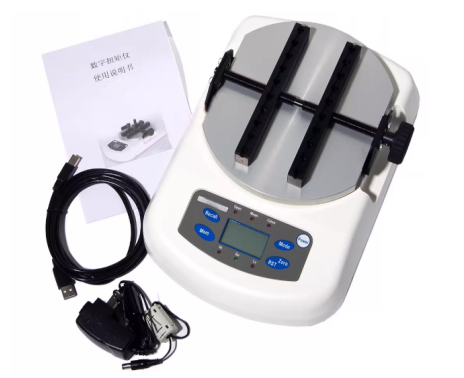
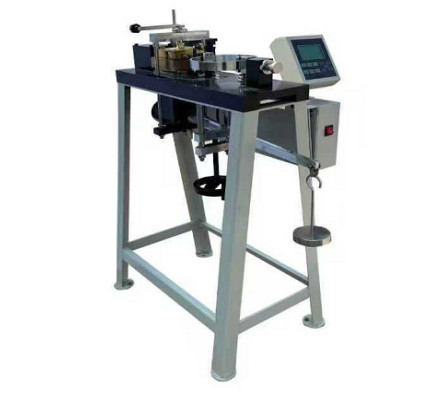
The Cut Susceptibility Tester is designed to evaluate the resistance of photovoltaic module backsheets and surface materials to cutting, scratching, and abrasion under controlled mechanical loading. The system simulates long-term mechanical wear caused by installation, environmental movement, and external contact, providing quantitative assessment of backsheet durability and safety performance in accordance with photovoltaic module safety standards.
Application
(1) Cut susceptibility testing of photovoltaic module backsheets
(2) Abrasion resistance evaluation of PV polymer films and composite laminates
(3) Safety qualification testing for PV module rear-side insulation layers
(4) Durability comparison of different backsheet materials and coatings
(5) Quality control testing during PV module production
(6) Failure analysis and material research in photovoltaic laboratories
Standards
(1) IEC 61730-2 – Photovoltaic (PV) Module Safety Qualification – Requirements for Testing
(2) UL 1703 – Flat-Plate Photovoltaic Modules and Panels
(3) CE Certification (Conformité Européenne)
Parameters
| Parameter | Specification |
|---|---|
| Tabletop Size | 1,400 mm (W) × 650 mm (D) |
| Scratch Speed | 120–180 mm/s (adjustable) |
| Speed Accuracy | ±2% of setpoint |
| Traction Force Range | 1–50 N |
| Force Resolution | 0.1 N |
| Power Supply | 220V AC, 50/60Hz, single-phase |
| Overall Dimensions | 1,600 mm (W) × 800 mm (D) × 1,200 mm (H) |
| Weight | 120 kg (net) |
Features
(1) Multi-Directional Traction Design: Allows cut and scratch testing from any direction to reflect real installation and service conditions.
(2) Stable Mechanical Drive System: Ensures smooth and repeatable traction motion during long-duration abrasion tests.
(3) Closed-Loop Force Control: Maintains constant cutting force throughout the entire scratch path.
(4) Rigid Test Platform: Aluminum alloy tabletop minimizes deformation and improves result repeatability.
(5) Operator Safety Protection: Integrated emergency stop and force-limiting logic reduce operational risk.
(6) Automated Test Execution: Predefined test sequences reduce operator influence and improve test consistency.
Accessories
(1) Indenters: 5× diamond indenters (10–50 μm tip radius)
(2) Sample Fixtures: 10× adjustable backsheet clamps (1–10 mm thickness)
(3) Consumables: Calibration-grade abrasion paper and replacement cutting blades
(4) Safety Equipment: Cut-resistant gloves (EN 388 Level 5), eye protection shield
(5) Software: ScratchTest Pro software license (Windows/macOS)
(6) Documentation: Multilingual quick-start guide and IEC/UL compliance certificates
Maintenance Information
(1) Inspect cutting blades and indenters regularly and replace when worn.
(2) Clean the test table and traction mechanism after each test series.
(3) Verify force sensor calibration at scheduled intervals.
(4) Check drive belts, pulleys, and guide rails for smooth operation.
(5) Store the equipment in a dry, dust-free environment to maintain accuracy and service life.
FAQ
1. What is a Cut Susceptibility Tester?
The Cut Susceptibility Tester is a device used to evaluate the resistance of materials, such as polymers, textiles, or geosynthetics, to cutting or slitting under controlled conditions. It helps predict the material’s performance under sharp or abrasive conditions.
2. How does the cut susceptibility test work?
The tester applies a controlled cutting force or sharp edge to the sample at a defined speed and angle. It measures the force required to initiate a cut or the extent of damage after repeated cutting cycles.
3. What types of materials can be tested?
It can test polymer sheets, geosynthetics, protective textiles, composites, rubber, and other industrial materials that may be exposed to cutting or slicing risks in real-world applications.
4. What parameters are measured during testing?
The machine measures cut initiation force, cut propagation, penetration depth, and overall material integrity. Some models provide digital data logging for detailed analysis and reporting.
5. Why is cut susceptibility testing important?
Testing ensures materials can withstand cutting or slicing during handling, installation, or service. It helps manufacturers improve product durability, safety, and reliability in applications where sharp edges or abrasive conditions are present.
If you're ready to take the next step, Leave your message below and we'll reply soon. 20+ years of manufacturing & export experience, a partner you can trust.