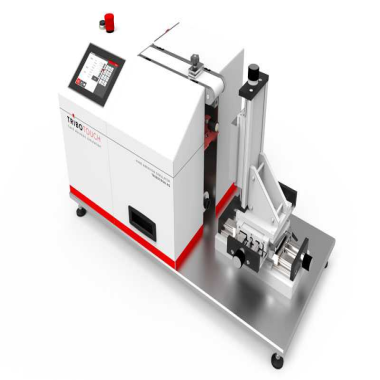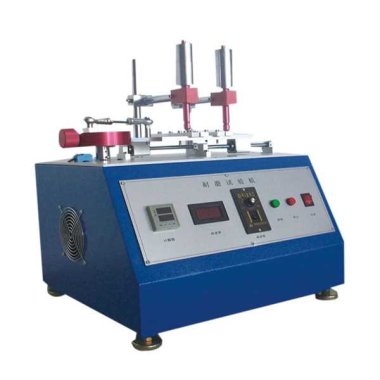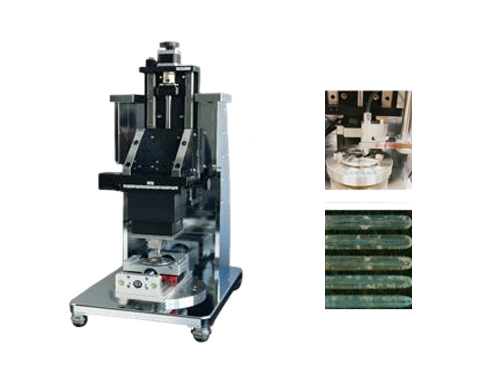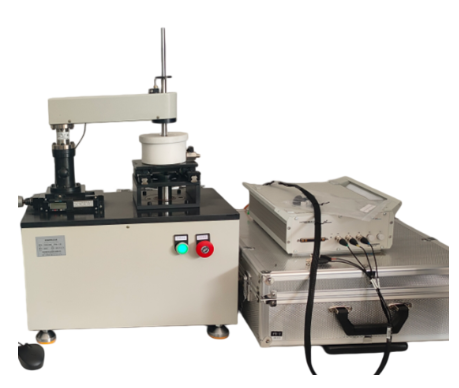
Electrochemical Corrosion and Wear Testing Machine
Category:Abrasion Tester

Introduction
Electrochemical corrosion and wear testing machines are widely used in materials science, mechanical engineering, electronic engineering, aerospace, and other fields. These devices can evaluate the tribological performance of materials in specific corrosive environments, helping researchers and engineers select, improve, and protect materials.
Applications
Material Screening: Metals, polymers, and coatings for automotive, aerospace, and offshore sectors.
Coating Optimization: Evaluation of DLC, ceramic, and anti-corrosion coatings under combined stress.
Tribological Design: Lubricant and surface treatment development for bearings and implants.
Quality Assurance: Batch consistency testing for corrosion-resistant components.
Standard
(1)ASTM G119: A standard for evaluating synergistic corrosion-wear performance, particularly for biomedical implants in simulated body fluids.
(2)ASTM G99: A pin-on-disc friction test method to measure material friction coefficients and wear resistance across industries like automotive and aerospace.
(3)ISO 20808: A ball-on-disc test protocol for characterizing friction and wear behavior of monolithic advanced ceramics in precision engineering applications.
Parameters
| Parameter | Specification |
|---|---|
| Test Load Range | 30–1000 g (weight loading); 10–50 N (automatic) |
| Accuracy | 0.2% FS (full scale) |
| Sliding Frequency | 0.1–5 Hz |
| Stroke Adjustment | 0.5–25 mm (reciprocating) |
| X/Z-Axis Travel | X: 0–40 mm; Z: 0–150 mm |
| Sample Sizes | Lower: 30–80 mm; Upper: Ф4–Ф6 mm |
| Electrolyte Capacity | 300 ml |
| Friction Measurement | ≤50 N; 0.2% FS accuracy |
| Main Unit Dimensions | 400 mm (W) × 300 mm (D) × 600 mm (H) |
| Weight | 50 kg |
| Power Supply | 220 VAC ±10%, 50/60 Hz, 1.5 kVA |
| Environmental Control | Temperature: -10°C–100°C (optional upgrade) |
Features
Electrochemical Corrosion Module:
Measures polarization curves and electrochemical impedance spectroscopy (EIS) in corrosive media.
Supports 300 ml electrolyte capacity for extended testing.
Friction-Wear Module:
Reciprocating sliding frequency: 0.1–5 Hz; adjustable stroke: 0.5–25 mm.
X/Z-axis travel: 0–40 mm (X) and 0–150 mm (Z) for multi-directional wear analysis.
Sample Versatility:
Lower specimen size: 30–80 mm; upper specimen: Ф4–Ф6 mm (ball/pin).
Ball sample reservoir: 120×90×50 mm for standardized testing.
Synergistic Testing: Simultaneous corrosion-wear evaluation for marine, chemical, and automotive applications.
Data Integration: Real-time friction (≤50 N) and corrosion metrics with CSV/Excel export.
Accessoriess
(1)Corrosion testing chamber
(2)Specially designed fixtures
(3)Three-electrode system
(4)Integrated electrochemical workstation
(5)Specially designed liquid cell, etc.
FAQ
1. What is an Electrochemical Corrosion and Wear Testing Machine?
This machine is designed to evaluate the combined effects of corrosion and mechanical wear on materials, simulating real-world conditions where both chemical attack and friction occur simultaneously.
2. How does the testing work?
The tester exposes a sample to a controlled corrosive electrolyte while applying mechanical wear through sliding, rotating, or reciprocating motion. Electrochemical measurements monitor corrosion rates, while sensors record wear depth and material loss.
3. What types of materials can be tested?
It can test metals, alloys, coatings, ceramics, polymers, and composite materials used in marine, automotive, aerospace, and industrial applications.
4. What parameters are measured during testing?
The machine measures corrosion potential, current density, corrosion rate, wear volume, wear rate, coefficient of friction, and surface damage. Some models also provide in situ monitoring of surface changes.
5. Why is electrochemical corrosion and wear testing important?
This testing ensures materials maintain durability and performance under simultaneous chemical and mechanical stress. It helps engineers and manufacturers improve material selection, optimize coatings, and predict service life in harsh environments.
If you're ready to take the next step, Leave your message below and we’ll reply soon. 20+ years of manufacturing & export experience, a partner you can trust.