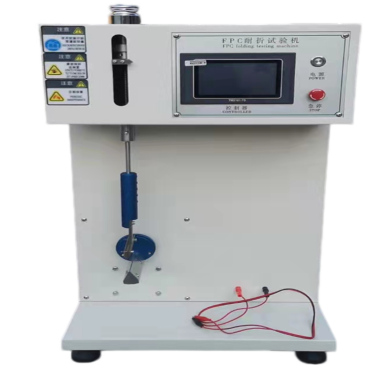
FPC Flex Durability Tester
Category:Abrasion Tester

Introduction
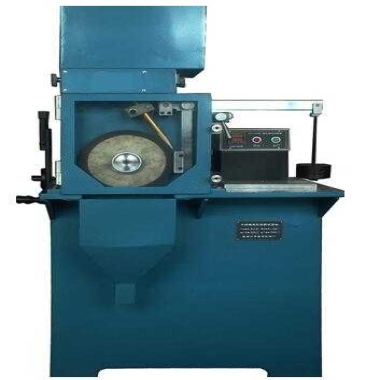
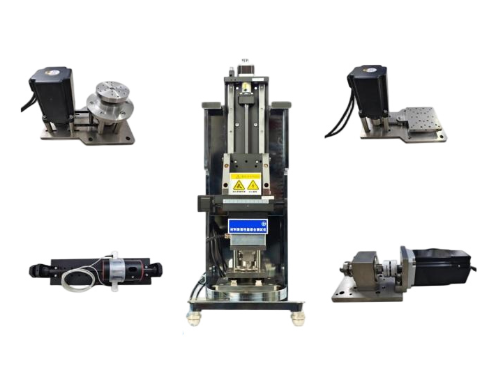
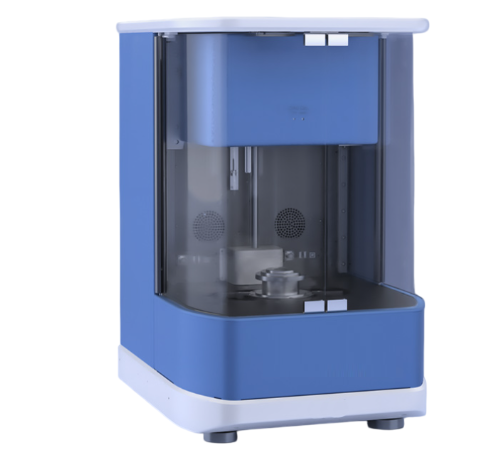
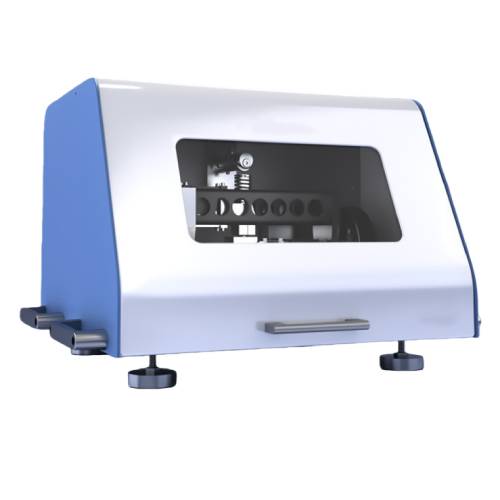
The FPC Flex Durability Tester is designed to evaluate the bending durability and fatigue life of flexible printed circuits (FPC), flexible flat cables (FFC), and similar flexible electronic components. The tester simulates repeated bending at controlled angles, speeds, and strokes to assess mechanical reliability and electrical continuity under cyclic flexing conditions. It is widely used in product development, quality control, and reliability testing of flexible electronic interconnects.
Application
(1) Flex durability testing of FPC (Flexible Printed Circuits) used in mobile phones, tablets, laptops, and wearable devices.
(2) Fatigue life evaluation of FFC cables used in displays, cameras, and hinge structures.
(3) Reliability testing of flexible interconnects in automotive electronics and dashboards.
(4) Bending endurance testing of flexible circuits used in medical devices and precision instruments.
(5) R&D validation of new flexible substrate materials and circuit designs.
(6) Quality control testing during mass production of flexible electronic components.
(7) Electrical continuity monitoring during cyclic bending until failure.
Standards
(1) ASTM F392 – Standard Test Method for Flex Durability of Flexible Circuits.
Technical Parameters
| Parameter | Specification |
|---|---|
| Test station | 1 |
| Test angle | 10–180° (touch screen digital setting) |
| Test speed | 10–120 times/min (touch screen digital setting) |
| Drive motor | Stepper motor (standard), Servo motor optional |
| Test stroke | 15–100 mm (manual adjustable) |
| Maximum fixture width | 80 mm |
| Fixture configuration | Upper moving fixture + lower moving fixture |
| Counter range | 0–999,999 cycles (preset, auto-stop at break) |
| Test functions | Angle, speed, cycles setting; continuity detection; auto stop; auto origin finding |
| Machine size (L×W×H) | 450 × 380 × 700 mm |
| Machine weight | Approx. 45 kg |
| Power supply | AC 220V, 50 Hz |
Features
(1) Stepper motor drive ensures high positioning accuracy, low noise, and long-term stable operation.
(2) Program-controlled automatic origin reset, eliminating manual fixture repositioning.
(3) Touch screen controller for intuitive parameter setting and program input.
(4) Test angle, speed, test cycles, and motor return-to-origin can be digitally set via touch screen.
(5) Automatic counting with preset test cycles and auto-stop upon reaching the set value.
(6) Electrical conduction detection function with automatic stop when circuit disconnection occurs.
(7) Automatic stop when the specimen bends to the broken line and loses conductivity.
(8) Upper and lower moving fixtures simulate realistic flexing conditions.
Maintenance Information
(1) Regularly inspect fixtures to ensure secure clamping and accurate alignment.
(2) Keep the touch screen and control system clean and free from dust.
(3) Periodically check motor operation and mechanical transmission components.
(4) Verify electrical continuity detection function before critical tests.
(5) Store the equipment in a dry, vibration-free laboratory environment.
FAQ
1. What is the main purpose of the FPC Flex Durability Tester?
It evaluates the mechanical durability of flexible printed circuits (FPCs) by simulating repeated bending and flexing under controlled conditions.
2. Which materials or products can be tested?
The tester is suitable for flexible printed circuits, flexible electronic substrates, and other bendable conductive films used in electronic devices.
3. How does the tester simulate real-life conditions?
It repeatedly bends or flexes the FPC along a defined angle, radius, or cycle count, replicating stresses that occur during normal device operation.
4. Which standards does this tester comply with?
It supports international testing standards related to flexible electronics and bend/flex durability, including IPC and JEDEC guidelines.
5. Who typically uses this equipment?
Electronics manufacturers, quality control laboratories, and R&D teams use it to evaluate FPC reliability, optimize designs, and ensure product longevity.
If you're ready to take the next step, Leave your message below and we’ll reply soon. 20+ years of manufacturing & export experience, a partner you can trust.