Gas Explosion Pressure Test Apparatus
Category:Material Combustion Tester

Introduction
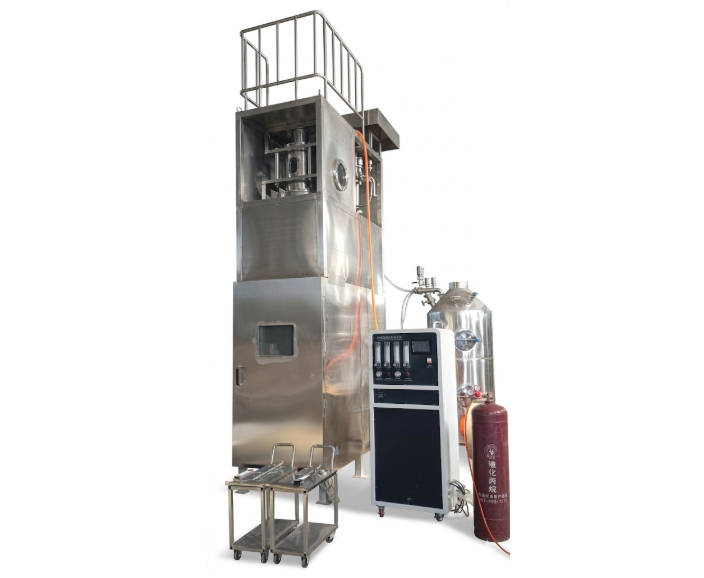
The Gas Explosion Pressure Test Apparatus is designed to measure the explosion characteristics of gases in a sealed testing chamber. By filling the evacuated chamber with the test gas and igniting it under controlled conditions, the system automatically records internal pressure and temperature changes. This allows determination of maximum explosion pressure (Pmax), explosion pressure rise rate, and maximum explosion pressure rise rate. The apparatus is suitable for evaluating gas release Pmax values in compliance with UL 9540A standards. Note that gas mixture preparation or liquid flammable substance evaporation equipment is not included and must be configured separately if required.
Application
The Gas Explosion Pressure Test Apparatus is suitable for:
Measurement of maximum explosion pressure (Pmax) and pressure rise rate of industrial and laboratory gases.
Testing gases released from battery systems or other energy storage devices according to UL 9540A.
Laboratory research on explosion characteristics of various combustible gases.
Specific Testing Equipment:
Gas sample chambers for combustion/explosion testing
Pressure and temperature data acquisition systems
Industrial and laboratory safety testing devices
Standards
The system conforms to the following national and international standards:
BS EN 15967:2011 – Determination of maximum explosion pressure and maximum rate of pressure rise of gases and vapours
UL 9540A – Standard for Testing Energy Storage Systems and Equipment
ISO 10156 – Gases and Gas Mixtures – Determination of Flammability Limits
ASTM E1226 – Standard Test Method for Explosibility of Dust Clouds
Parameters
| Unit | Specification |
|---|---|
| Explosion Pressure Acquisition | Dynamic data acquisition card, 24-bit resolution, 128 KS/s sampling frequency |
| Chamber Interior | Built-in 19-inch touch screen, integrated electrical control circuits for mobility |
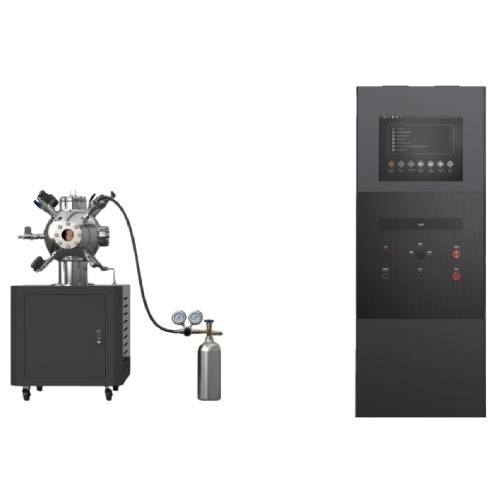
| Test Container | Sphere structure, internal volume ≈ 20 L, internal radius 168 mm, wall thickness 12 mm, stainless steel, max. pressure 3 MPa |
| Chamber Pressure Rating | Maximum 3 MPa, constant endurance ≥ 2 MPa, engineering safety valve rated 2.5 MPa |
| Ignition Electrode | Center-mounted, diameter 4 mm, tip angle 60°, distance between tips ≈ 5 mm |
| Thermocouple | K-type armored, range 0–1000 °C, accuracy 0.1 °C |
| Explosion Container Dimensions | 1800 (L) × 750 (D) × 1750 (H) mm |
| Control Box Dimensions | 650 (W) × 675 (D) × 1750 (H) mm |
| Power Supply | AC 220 V, 50/60 Hz |
| Weight | Approx. 330 kg |
| Auxiliary Gas Source | Nitrogen |
Features
Electrical control cabinet with metal frame and electrostatic spray finish; resistant to dirt, wear, and oil; easy to clean and visually appealing.
Siemens PLC with analog modules controls vacuum, purging, temperature, and pressure readings; real-time monitoring of temperature, pressure, explosion pressure, and explosion slope.
Test data can be exported as Excel, Word, or PDF for reporting and analysis.
Sphere front features explosion-proof observation window; top equipped with threaded ignition device.
Thermocouple mounted via rear flange, replaceable for maintenance or specific testing needs.
Multiple interfaces for vacuum, sample gas inlet, purging, manual sampling, and pressure monitoring; includes several ½-inch ports for additional customer-configured devices.
Ignition electrode fixed on removable threaded flange for easy cleaning of carbon deposits.
Thermocouple fixed with threaded ferrule interface for easy installation and sealing.
Manual ball valve for post-test gas sampling and analysis.
Accessories
Stainless steel spherical test container
Explosion-proof observation window
Ignition electrode assembly
K-type armored thermocouple with flange and ferrule interfaces
Siemens PLC and analog modules
19-inch touch screen
Electrical control cabinet with industrial PC and data acquisition modules
Manual ball valve
Safety pressure relief valve (2.5 MPa)
Auxiliary nitrogen supply interface
Maintenance Information
Inspect and clean the ignition electrode regularly to remove carbon deposits.
Verify thermocouple calibration and replace if necessary.
Check all ports, flanges, and threaded interfaces for gas-tight integrity.
Ensure PLC, data acquisition modules, and industrial PC are operating correctly.
Clean observation window to maintain visibility during tests.
Test safety valves and pressure relief systems periodically for proper functionality.
FAQ
What parameters can the Gas Explosion Pressure Test Apparatus measure?
It measures maximum explosion pressure (Pmax), explosion pressure rise rate, and maximum pressure rise rate. Temperature and internal pressure changes are recorded during the test to provide accurate analysis of gas explosibility characteristics.
How is the test chamber designed for safety and observation?
The spherical test container includes an explosion-proof observation window for visual monitoring. The ignition electrode is mounted on a removable threaded flange for easy cleaning. The chamber is rated to 3 MPa with a 2.5 MPa safety valve to prevent overpressure.
How is data recorded and analyzed during testing?
A dynamic data acquisition card captures pressure and temperature with 24-bit resolution at 128 KS/s. The Siemens PLC system controls the test process and provides real-time monitoring. Data can be exported to Excel, Word, or PDF for detailed reporting and analysis.
Can additional equipment be connected to the apparatus?
Yes, the chamber includes multiple ½-inch ports for vacuum, sample gas inlet, purging, manual sampling, and pressure monitoring. This allows customers to connect extra devices for pre-configured gas mixtures or additional measurement systems.
If you're ready to take the next step, Leave your message below and we’ll reply soon. 20+ years of manufacturing & export experience, a partner you can trust.