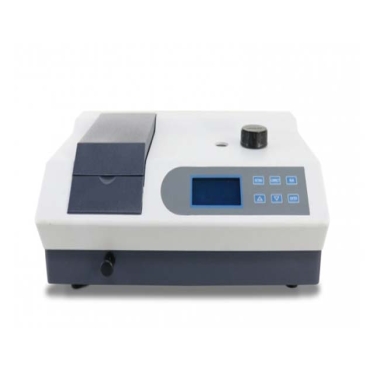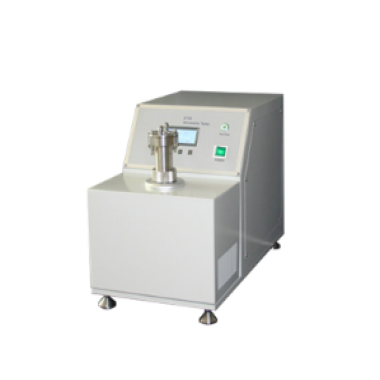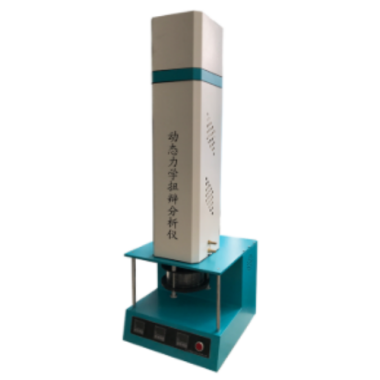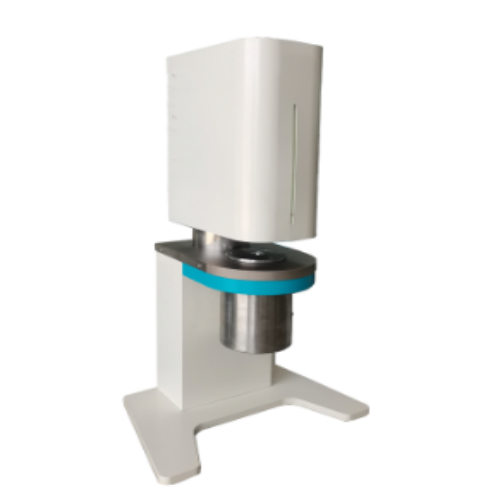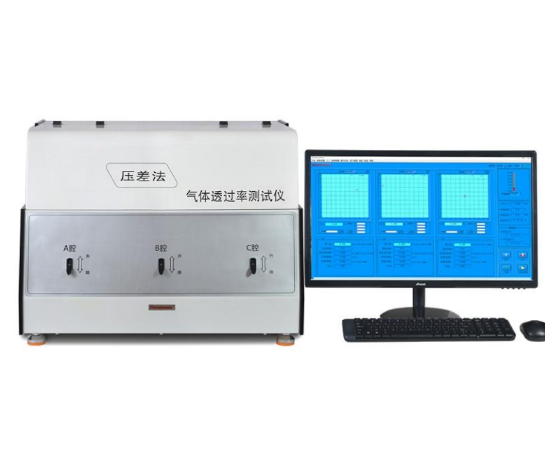
Gas Permeability Tester (Differential Pressure Method)
Category:Textile Functional Tester
Factory Direct
Stable Performance
Intl. Standards
Tech Support
Fast Delivery
Global Shipping

Introduction
The differential pressure gas permeability tester is a professional instrument for film sample testing. Based on the differential pressure method, it is suitable for determining gas transmission rate, solubility coefficient, diffusion coefficient, and permeability coefficient of plastic films, composite films, high-barrier materials, sheets, and metal foils under various temperatures. The instrument can be used to test gas permeability performance of membrane materials, including hydrogen permeability testing. Suitable for testing oxygen (O₂), carbon dioxide (CO₂), nitrogen (N₂), and air permeability of plastic films, composite films, high-barrier materials, sheets, metal foils, rubber, and other materials.
Applications
| Category | Application | Description |
| Basic Application
|
Films | Plastic films, composite films, paper-plastic films, geomembranes, co-extruded films, metallized films, aluminum foil, foil laminates, waterproof breathable films, etc. |
| Sheets | Engineering plastics and rubber sheets such as PP, PVC, PVDC, etc. | |
| Petrochemical | Gas permeability testing for pipeline materials, such as CO₂ testing of MDPE plastics | |
| Aerospace materials | Gas permeability testing of aerospace materials such as airships and gasbags, helium detection | |
| Biodegradable films | Gas permeability testing of biodegradable materials such as starch-based films | |
| Extended Application
|
Paper materials | Paper-plastic composites, cigarette packaging foil paper, Tetra Pak materials, instant noodle packaging, paper cups, etc. |
| Tubes, bottles, bags | Cosmetic tubes, aluminum-plastic tubes, flexible bottles, and related packaging materials | |
| Coatings | Gas permeability testing of coated and printed films | |
| Vacuum packaging | Packaging materials for electronic products and other anti-oxidation applications such as sensors |
Standards
YBB 00082003, GB/T 1038, ASTM D1434, ISO 2556, ISO 15105-1, JIS K7126-A
Test Principle
The instrument adopts the differential pressure method. The preconditioned specimen is placed and clamped between the upper and lower test chambers. The low-pressure chamber (lower chamber) is first evacuated, followed by evacuation of the entire system. After reaching the required vacuum level, the lower chamber is isolated, and test gas is introduced into the high-pressure chamber (upper chamber), maintaining a constant pressure difference across the specimen. Gas permeates from the high-pressure side to the low-pressure side under the pressure gradient. By monitoring and analyzing the pressure change in the low-pressure side, the gas barrier properties of the specimen are obtained. This method fully complies with GB 1038 and ASTM D1434 standards.
Technical Parameters
| Item | Parameter |
| Measurement range (film) | 0.01–50000 cc/m²·24h·0.1MPa |
| Number of specimens | 3 |
| Number of main sensors | 3 |
| Test mode | Independent single chamber |
| Vacuum resolution | 0.1 Pa |
| Ultimate vacuum | <10 Pa |
| Temperature range | 5°C–65°C |
| Temperature accuracy | ±0.1°C |
| Test pressure | Upper chamber: -0.1 MPa to +0.15 MPa (standard) |
| Lower chamber: 0–1333.33 Pa | |
| Gas supply pressure | 0.4–0.6 MPa |
| Test gases | O₂, N₂, CO₂ or other gases |
| Carrier gas interface | Ф6 |
| Vacuum pipe diameter | 1/4″ |
| Calibration method | Standard film calibration, external vacuum sensor calibration |
| Sample thickness | ≤3 mm |
| Sample size | Φ97 mm |
| Permeation area | 38.48 cm² |
| Dimensions | 760 × 575 × 450 mm |
| Weight | 88 kg |
| Power supply | AC 100–240 V, 50/60 Hz |
Features
Standard film calibration and sensor external calibration functions.
Real-time monitoring and full data curve storage with replay capability.
Open database system for data analysis.
Simultaneous measurement of permeability, solubility, and diffusion coefficients.
Three independent chambers for simultaneous testing of identical or different samples.
Wide-range, high-precision temperature and humidity control.
Dual judgment modes (proportional and fuzzy logic).
Expandable measurement range for high permeability materials.
Curve fitting at any temperature for extreme condition analysis.
Supports toxic, flammable, and explosive gas testing (custom modification required).
Computer-controlled automatic testing process.
Standard film calibration for accuracy and consistency.
RS232 data interface for data transfer.
Configuration
Standard configuration: Main unit, temperature controller, computer, professional software, sample cutter, vacuum grease, rapid quantitative filter paper, vacuum pump.
Optional accessories: cutting blades, vacuum pump oil, humidity generator.
Note: Gas inlet uses Ф6 mm polyurethane tubing. Gas source and distilled water are user-supplied. Product appearance may vary for customized versions.
FAQ
1.What is a Gas Permeability Tester using the Differential Pressure Method?
A Gas Permeability Tester employing the Differential Pressure Method is a device used to measure the permeability of materials to gas. This method involves creating a differential pressure across the material being tested, allowing the measurement of gas flow through it. It is particularly useful for assessing the quality and performance of packaging materials, membranes, and various industrial materials.
2.How does the Differential Pressure Method work?
The Differential Pressure Method measures gas permeability by establishing a pressure difference across a specimen. One side of the material is exposed to higher gas pressure, while the other side is maintained at a lower pressure. The flow of gas through the material is then measured, and the permeability coefficient can be calculated using the flow rate and the characteristics of the gas. This method provides accurate and reproducible results for various materials.
3.What materials can be tested for gas permeability?
The Gas Permeability Tester can be used to evaluate a wide range of materials including plastics, films, membranes, coatings, and even composite materials. It is particularly useful in industries such as packaging, pharmaceuticals, and construction, where the permeability of materials to gases can significantly affect performance and durability.
4.What are the applications of a Gas Permeability Tester?
Gas permeability testing has numerous applications across various industries. In the packaging sector, it helps in assessing the barrier properties of packaging materials to enhance shelf life. In pharmaceuticals, it ensures the integrity of drug packaging. Additionally, in construction, it evaluates the permeability of membranes and materials used in building constructions, influencing insulation and energy efficiency.
5.How accurate are the results from a Gas Permeability Tester?
The results from a Gas Permeability Tester using the Differential Pressure Method are generally very accurate, provided the testing conditions are well controlled. Factors such as temperature, pressure, and material properties can influence the results. Routine calibration and adherence to standardized testing procedures help maintain the accuracy and reliability of the measurements.
If you're ready to take the next step, Leave your message below and we'll reply soon. 20+ years of manufacturing & export experience, a partner you can trust.