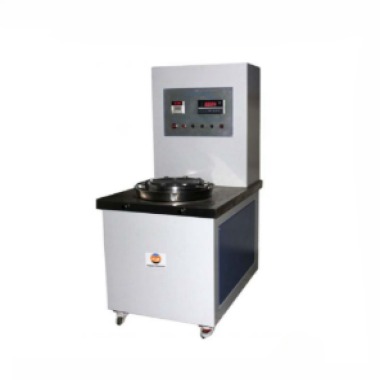
Geomembrane Hydrostatic and Permeability Tester
Category:Material Strength Tester
Factory Direct
Stable Performance
Intl. Standards
Tech Support
Fast Delivery
Global Shipping

Introduction
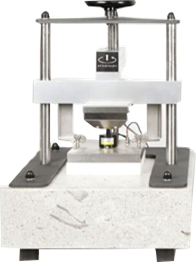
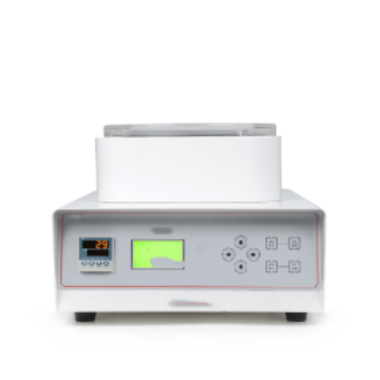
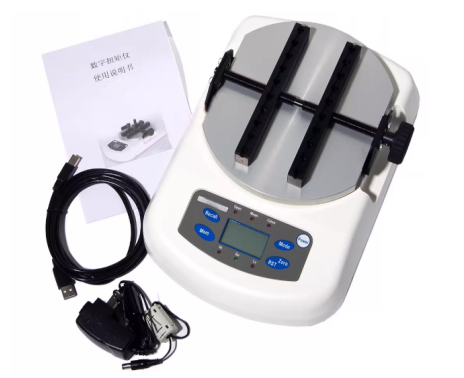
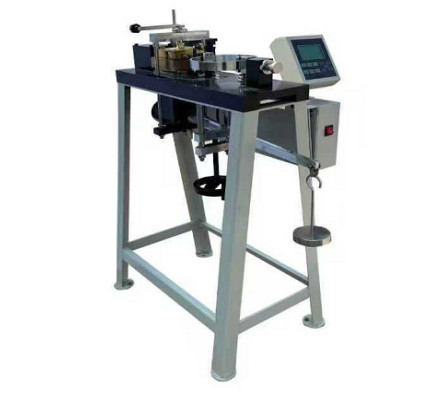
As the most cost-effective hydrostatic pressure tester, the Geomembrane Hydrostatic and Permeability Tester is not only powerful but also intelligent and efficient. The Geomembrane Hydrostatic and Permeability Tester is used to analyze the permeability of test materials. It can test hydrostatic pressure as water passes through the sample, and also test water resistance under constant water pressure, all while being secured by a special sealed system.
Application
It is used to test the hydrostatic pressure resistance and permeability coefficient of nonwoven composite geotextile (one cloth, one film, two cloth, one film) produced with polyethylene and polyurethane as the substrate and other materials under the specified water pressure difference conditions.
Standard Test
JTG E50 T1142-2006: Test Procedure for Geosynthetic Materials in Highway Engineering – Hydrostatic Pressure Resistance Test
JTS/T 245-2023: Test Procedure for Geosynthetic Materials in Water Transport Engineering
GB/T 19979.1-2005: Geosynthetic Materials – Impermeability Performance – Part 1: Determination of Hydrostatic Pressure Resistance
GB/T 19979.2-2006: Geosynthetic Materials – Impermeability Performance – Part 2: Determination of Permeability Coefficient
GB/T 17642-2025: Geosynthetic Materials – Nonwoven Fabric Composite Geomembrane
Parameters
| Technical Parameters | Specifications |
|---|---|
| Specimen Diameter | 200mm |
| Perforated Plate Hole Diameter | 3mm±0.05mm |
| Perforated Plate Hole Center Distance | 6mm |
| Infiltration Water Collection Pipe Capacity | 15ml |
| Permeable Water Collection Tube Precision | 0.1ml |
| Pressure Range | 0—2.5MPa |
| Pressure System Error | ±2% |
| Equipment Dimensions (L×W×H) | 900×600×14 |
Feature
Can be used in one machine, equipped with 2 sets of test fixtures, in line with the national standard hydrostatic pressure and permeability coefficient test;
High precision pressure system, using gas-liquid mixed structure, to ensure stable pressure;
Solenoid valve control water inlet and outlet;
Equipped with percolating water collection device to prevent the collected percolating water from evaporating;
Equipment safety protection device.
Accessoriess
Standard accessories: Standard specimen fixture (matching 200mm specimen diameter),Perforated plate (3mm hole diameter, 6mm center distance),Infiltration water collection pipe (15ml capacity, 0.1ml precision),Pressure system connection hoses,Operation manual & calibration certificate,Equipment mobile casters (with brake function),Water collection device (anti-evaporation type).
Optional accessories:Custom specimen fixtures (for non-standard specimen sizes),High-precision pressure sensor (to improve pressure control accuracy),Data acquisition software (to record and export test data),Spare perforated plates (wear-resistant material),Seal gaskets (for specimen fixture sealing).
Maintenance Information
1. Daily Maintenance
After each test, drain residual water in the pressure system and clean the specimen fixture.
Wipe the equipment surface with a dry cloth to prevent water corrosion.
2. Regular Maintenance (Every 3 Months)
Calibrate the pressure system using a standard pressure gauge.
Check the tightness of hoses and connections; replace aged hoses if needed.
3. Component Replacement
Replace the seal gaskets if leakage occurs during pressure testing.
4. Troubleshooting
If pressure instability occurs: Check the gas-liquid mixed structure of the pressure system and clean the pipeline.
FAQ
1. What is a Geomembrane Hydrostatic and Permeability Tester?
The Geomembrane Hydrostatic and Permeability Tester is a device used to evaluate the water tightness and permeability of geomembranes under hydrostatic pressure, ensuring the material effectively prevents leakage in containment applications.
2. How does the tester work?
The machine applies controlled hydrostatic pressure to a geomembrane sample while monitoring water flow through the material. The rate of leakage or permeability is recorded to assess performance.
3. What types of geomembranes can be tested?
It is suitable for polymer-based geomembranes such as HDPE, LLDPE, PVC, EPDM, and other synthetic liners used in landfills, reservoirs, ponds, and environmental protection applications.
4. What parameters are measured during testing?
The tester measures water leakage rate, permeability coefficient, pressure at failure, and time to seepage. Advanced models may log data continuously for detailed analysis.
5. Why is hydrostatic and permeability testing important?
This testing ensures geomembranes can withstand water pressure without leakage, preventing environmental contamination and structural failure. It helps manufacturers ensure quality, comply with standards, and select materials for reliable containment systems.
If you're ready to take the next step, Leave your message below and we'll reply soon. 20+ years of manufacturing & export experience, a partner you can trust.