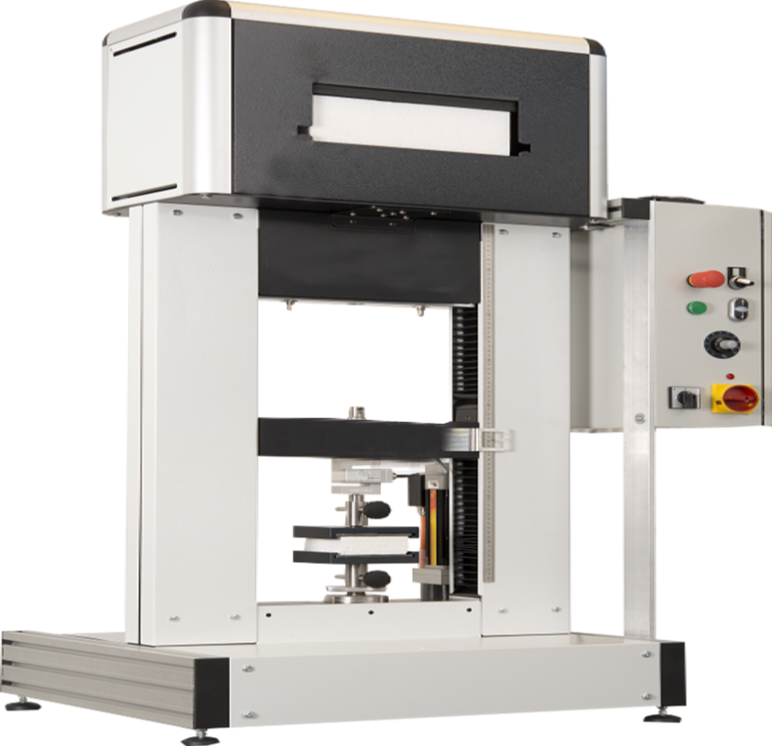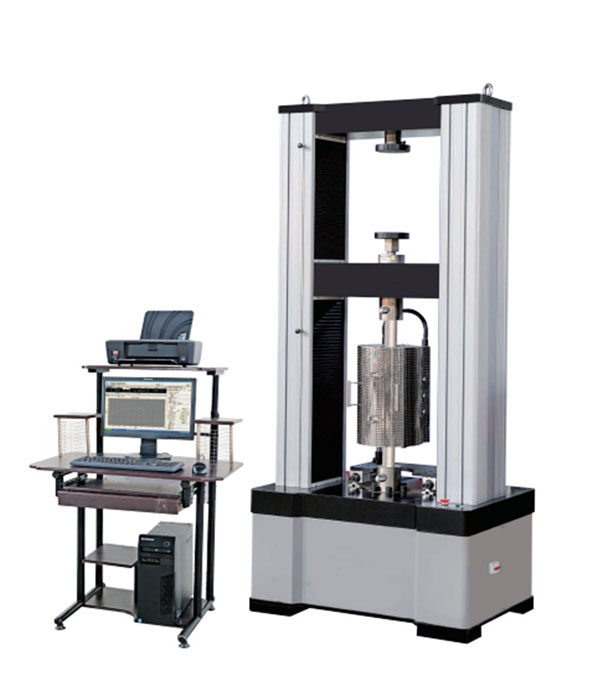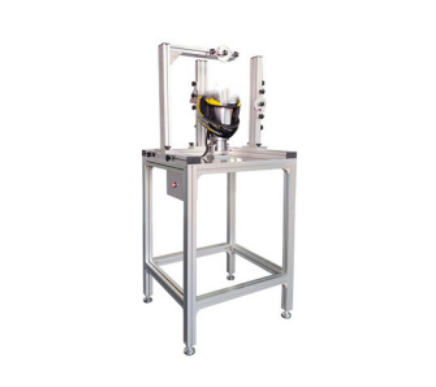
Helmet Fixed-Point Protection Area Testing Equipment
Category:Universal Strength Tester
Factory Direct
Stable Performance
Intl. Standards
Tech Support
Fast Delivery
Global Shipping

Introduction
The Helmet Fixed-Point Protection Area Testing Equipment is a specialized device used to evaluate and verify the protective coverage of helmets. It tests whether a helmet effectively shields critical points on the head by measuring the protection area and ensuring compliance with safety standards.
Application
(1)Used for marking test points and test lines on helmets.
(2)Used for drawing lines according to different testing standards.
(3)Used during helmet R&D to define the helmet’s upper/lower and left/right fields of vision.
Technical Specifications
(1)Equipped with an infrared emitter.
(2)Uses an adjustable aluminum alloy frame.
(3)The angle of the infrared bracket is adjustable.
(4)The main unit and all accessories are made of aluminum alloy.
(5)Applicable to all standards.
Main Unit Performance Features
(1)The working arm has an adjustable handle for easy position adjustment, suitable for different testing standards.
(2)The fixed-point tracking indicator light is controlled by infrared and can be moved on the device to conveniently locate the base plane and reference plane.
(3)The headform support is made of steel with a galvanized surface finish. It has a stop device every 45° to allow rotation of the headform in any direction, accommodating different test points and testing standards.
Accessories
(1)Impact Probes and Strikers: Standardized shapes for evaluating helmet protection at specific points.
(2)Helmet Fixtures and Holders: Secure helmets in precise, repeatable positions.
(3)Force Sensors or Load Cells: Measure impact forces and distribute them accurately.
(4)Data Acquisition System: Collects real-time measurements of force, displacement, or energy absorption.
Test Procedures
Sample Preparation: Inspect helmets for defects, then mount them securely in the fixture.
Test Setup: Position impact probes at designated points according to the testing standard.
Impact Testing: Apply controlled forces or drops to measure helmet protection performance.
Data Evaluation: Analyze force absorption, deformation, and protection coverage at each test point.
Maintenance Information
Daily Cleaning: Wipe down fixtures, probes, and load cells after each test.
Sensor Calibration: Regularly calibrate force sensors for accurate measurements.
Inspection of Moving Parts: Check fixtures, clamps, and guides for wear or damage.
Storage: Keep the equipment in a dry, dust-free environment to prevent corrosion and ensure accuracy.
FAQ
1. What is the purpose of this equipment?
It evaluates the protection coverage and impact resistance of helmets at specific fixed points to ensure wearer safety.
2. Which helmets can be tested?
Applicable to industrial, construction, sports, and motorcycle helmets.
3. How are test points determined?
Test points are selected according to international or industry standards to represent critical areas of the helmet.
4. How is impact measured?
Force sensors or load cells record impact energy absorption and deformation at each fixed point.
5. How should the equipment be maintained?
Clean fixtures and probes after each test, calibrate sensors regularly, inspect moving parts for wear, and store in a dry, dust-free environment.
If you're ready to take the next step, Leave your message below and we'll reply soon. 20+ years of manufacturing & export experience, a partner you can trust.