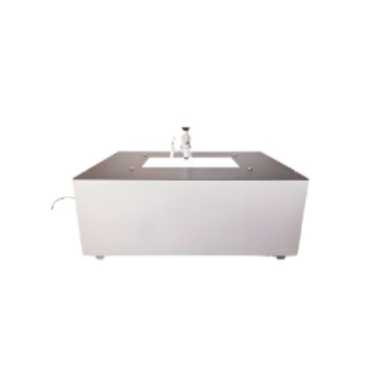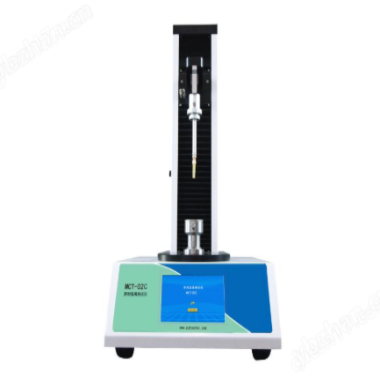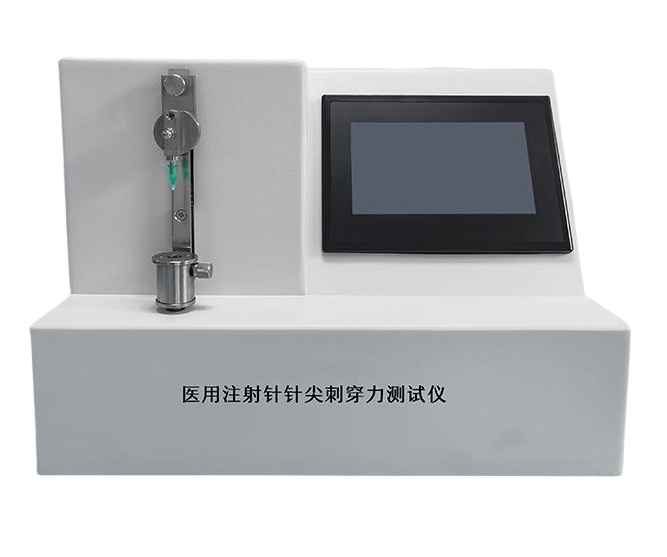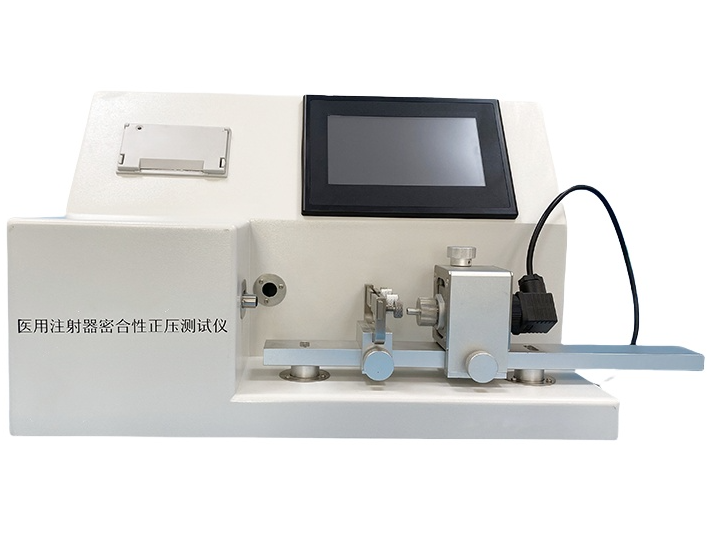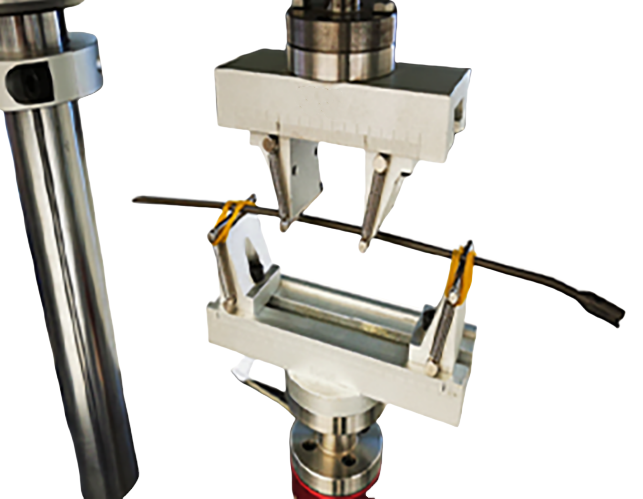
Intramedullary Nails Four – point Bending Fatigue Tester
Category:Medical Device Tester
Factory Direct
Stable Performance
Intl. Standards
Tech Support
Fast Delivery
Global Shipping

Introduction
The Intramedullary Nails Four-Point Bending Fatigue Tester is a specialized testing device designed to evaluate the fatigue performance and mechanical durability of intramedullary nails under cyclic bending loads. It applies repeated four-point bending forces to simulate long-term in vivo stresses, allowing assessment of nail strength, flexibility, and resistance to fracture over time. This tester is widely used in orthopedic research, product development, and quality control to ensure intramedullary nails meet required mechanical reliability standards.
Standard
(1)YY/T 0591-2011: Chinese standard specifying bending fatigue test methods for intramedullary nails and locking screws, including load application, cycle counting, and failure criteria.
(2)ASTM F1264: International standard covering fatigue testing of intramedullary fixation devices, with protocols for sinusoidal loading at 5Hz–20Hz frequencies.
Technical Parameters
| Parameter | Specification |
|---|---|
| Force Resolution | 0.1 N (axial) / 0.01 Nm (torsional) |
| Angular Accuracy | ±0.1° |
| Crosshead Speed | 0.001–500 mm/min |
| Power Supply | 220V/110V, 50/60Hz |
| Dimensions (W×D×H) | 800×600×1.800 mm |
| Weight | 400 kg |
| Compliance | CE, ISO 13485. YY/T 0591. ASTM F1264 |
Features
(1)Load Capacity: 100 N–10.000 N (axial) / 50–500 Nm (torsional).
(2)Frequency Range: 0.01–20 Hz (adjustable for static/dynamic tests).
(3)Temperature Control: Optional environmental chamber (-20°C to +150°C) for simulating physiological conditions.
(4)Software Suite:
Customizable test profiles with automated pass/fail criteria.
21 CFR Part 11 compliance for audit trails and electronic signatures.
(5)Calibration: NIST-traceable certification included, with annual recalibration available.
Maintenance Information
(1)Regularly clean the bending fixtures and loading components to prevent debris accumulation.
(2)Lubricate moving parts and bearings periodically to ensure smooth operation.
(3)Calibrate load cells and displacement sensors according to manufacturer guidelines to maintain measurement accuracy.
(4)Inspect the tester for any signs of wear, cracks, or misalignment, and replace damaged parts promptly.
FAQ
1.What is the purpose of this tester?
It evaluates the fatigue strength and bending durability of intramedullary nails under cyclic four-point bending loads.
2.What types of samples can be tested?
The tester is suitable for various intramedullary nails used in orthopedic surgery, including titanium, stainless steel, and bio-absorbable materials.
3.How is the test performed?
Nails are mounted on four-point bending fixtures, and cyclic loads are applied while monitoring load, deflection, and fatigue life until failure or completion.
4.How do I ensure accurate results?
Regular calibration of load cells and displacement sensors, proper sample alignment, and following standardized load parameters are essential.
5. What safety precautions should be taken?
Keep hands clear of moving parts, wear safety glasses, ensure all fixtures are securely tightened, and never exceed the recommended load or cycle settings.
If you're ready to take the next step, Leave your message below and we'll reply soon. 20+ years of manufacturing & export experience, a partner you can trust.