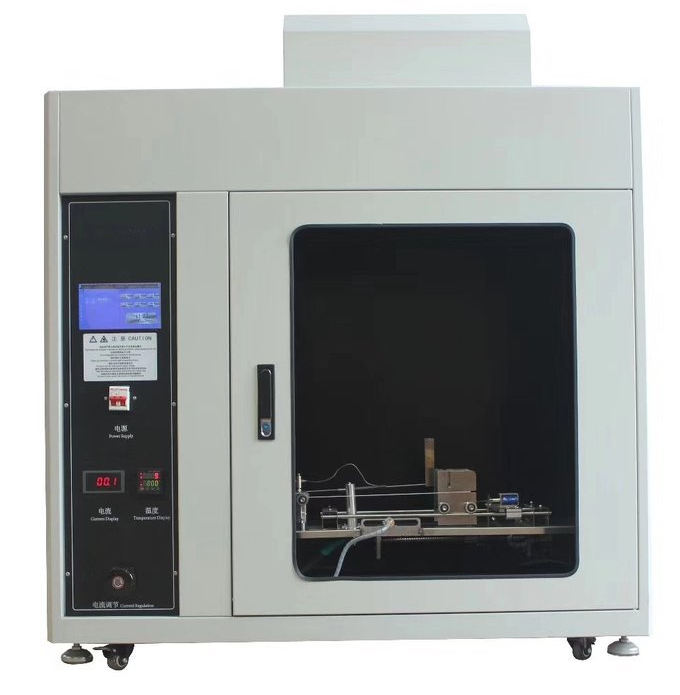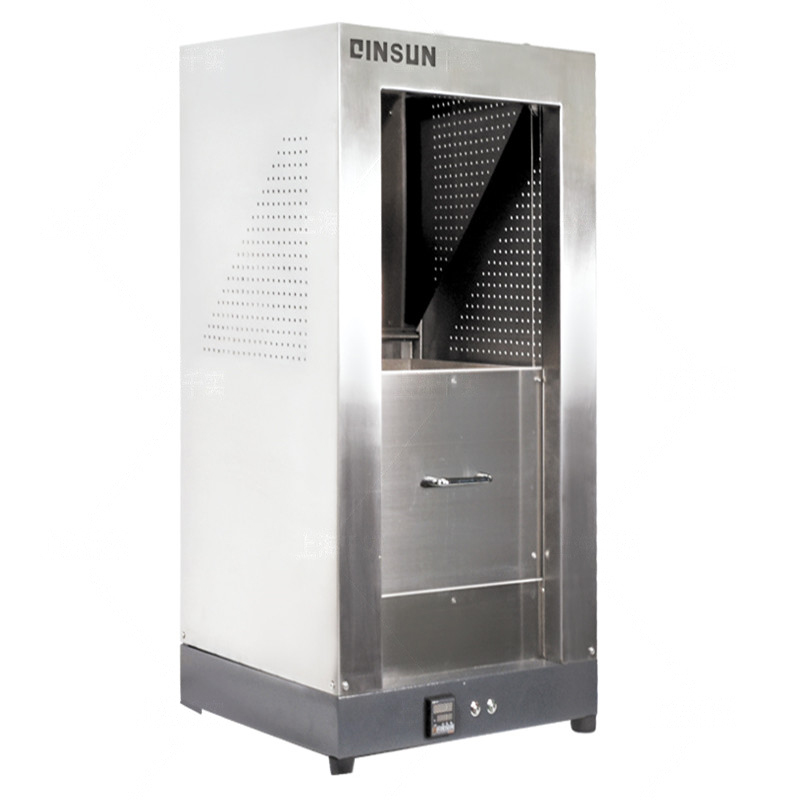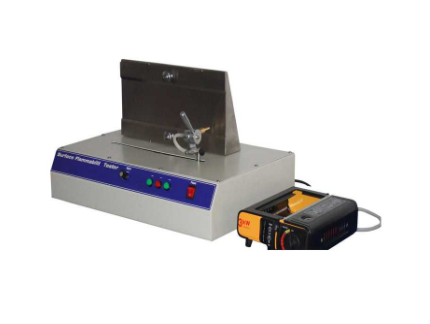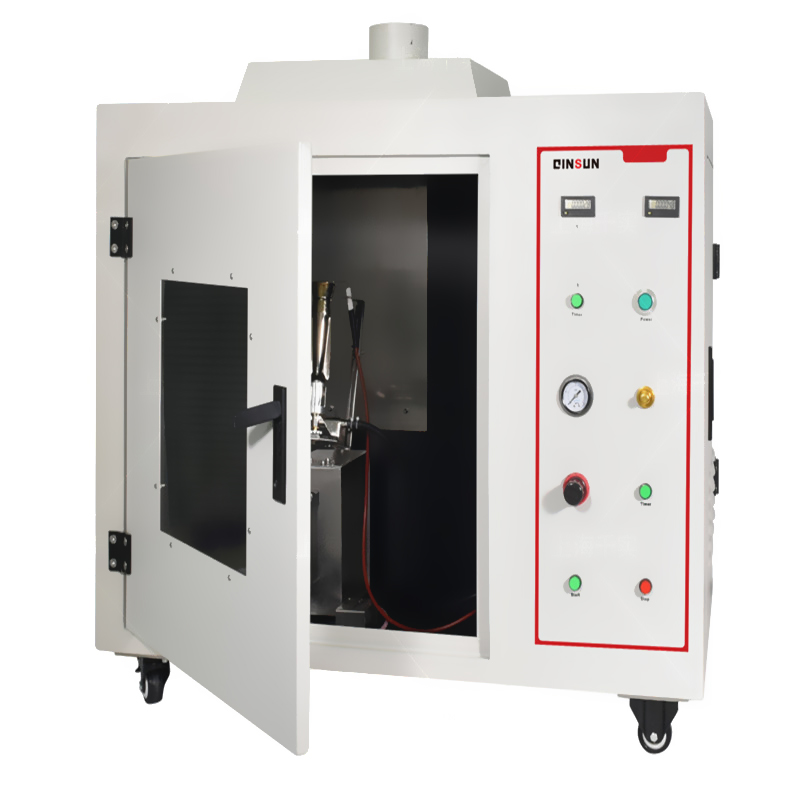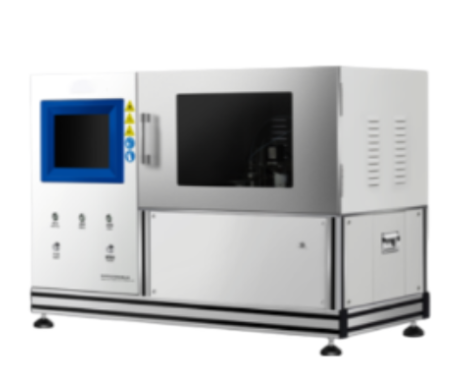
Liquid Sustained Combustion Tester
Category:Flammability Tester
Factory Direct
Stable Performance
Intl. Standards
Tech Support
Fast Delivery
Global Shipping

Introduction
This Liquid Sustained Combustion Tester complies with “Recommendations on the Transport of Dangerous Goods – Manual of Tests and Criteria” 32.5.2 Test L.2: Sustained Combustion Test and GB/T 21622 – 2008 Test Method for Sustained Combustion of Flammable Liquids in Dangerous Goods.
Applications
When liquid hazardous substances are heated to 0.5°C and 75°C, a flame durability tester is used to evaluate their sustained burning time. This instrument tests the sustained burning time of the base material when it is heated according to test conditions and exposed to a flame. When the metal base of the tester is heated to a specified temperature, a unit volume of test material is transferred to the sample base, a standard flame is supplied under specific conditions and then removed, and the sustained burning time of the flame is recorded. Based on the recorded results, the flame durability of a material at a given temperature can be assessed.
Standards
GB/T 21622-2008: Dangerous goods – Sustained combustibility test for flammable liquids
Technical Parameters
| Working Environment | (5 to 40)°C, <85%RH |
| Standard Test Temperature | 60.5°C/75°C |
| Temperature Control Accuracy | ±0.5°C |
| Ambient Atmospheric Pressure Measurement Range | (60 to 110)kPa |
| Ambient Atmospheric Pressure Measurement Accuracy | ±0.5kPa |
| Heating Timing | 60s, 30s |
| Sample Volume | (1 to 3)mL |
| Sample Accuracy | ±0.05mL |
| Timing Range | (0 to 999)s |
| Timing Display Resolution | 0.1s |
| Ignition Mode | Spark Plug |
| Sample Bottle Capacity | 20mL |
Features
(1) It adopts an embedded processor and the Windows CE operating system.
(2)With an 8 – inch liquid – crystal touch screen, it can display the test status in real – time.
(3) It integrates three working modes, namely the “standard mode”, the “custom mode” and the “cleaning mode”, for users to choose freely.
(4)It uses environmental air pressure and temperature compensation technology to precisely control the heating temperature with high temperature – control accuracy.
(5)It has an automatic intelligent sample – feeding module and a maintenance – free automatic cleaning function.
(6) It uses highly sensitive photoelectric detection technology to automatically detect flame combustion phenomena, ensuring detection accuracy.
(7) It has automatic ignition, positioning and precise automatic timing functions.
(8)The instrument has a fault – detection function and audible and visual alarm functions.
(9)The test process is fully automated, requiring no manual intervention. It supports functions such as parameter setting, data storage, and report viewing.
Accessoriess
(1)Core Test Accessories
Test Oil Cup: Brass material, dimensions conforming to GB/T 21622-2008 standard;
Igniter: Stainless steel material, used in conjunction with the oil cup;
Oil Cup Extinguishing Cover: Used to cover the oil cup after testing to prevent spontaneous combustion of the sample;
Fixed Constant Flame Source: Device to maintain continuous combustion of the ignition head during testing.
(2)Auxiliary Function Accessories
Gas Source Adjustment Component: Precision corrosion-resistant needle valve (for adjusting gas sources such as butane);
Heating Device: Stainless steel heating element + brass dish (for controlling test temperature);
Sweeping Device: Brass material, used in conjunction with the test procedure;
Stabilized Power Supply: Equipped with mains power compensation function to avoid voltage fluctuations affecting the test.
(3)Other Accessories
Instruction Manual (including standard test procedure);
Some models may include a photoelectric detection sensor (for automatically identifying the flame combustion status).
Maintenance Information
(1)Routine Inspection: Check the burner assembly, ignition system, and fuel delivery components for wear or damage before each test.
(2)Cleaning: After each test, clean the combustion chamber, fuel nozzles, and surrounding surfaces to prevent residue buildup and maintain accurate measurements.
(3)Calibration and Safety Checks: Periodically verify the accuracy of temperature sensors, flow meters, and timers; ensure all safety interlocks and emergency shutdown systems are operational.
FAQ
1. What is the Liquid Sustained Combustion Tester used for?
It is used to evaluate the sustained burning behavior of liquids, including ignition characteristics and flame duration, for safety and flammability assessments.
2. Which types of liquids can be tested?
The tester is suitable for fuels, lubricants, chemicals, and other flammable liquids requiring sustained combustion analysis.
3. How does the tester work?
A measured liquid sample is ignited in a controlled combustion chamber, and sensors monitor flame duration, heat release, and other combustion properties.
4. What safety features are included?
It includes flame shields, automatic shutoff systems, and interlocks to ensure safe operation during testing.
5. How should the tester be maintained?
Routine maintenance involves cleaning the combustion chamber and nozzles after each test, inspecting ignition and fuel delivery systems, and calibrating sensors periodically.
If you're ready to take the next step, Leave your message below and we'll reply soon. 20+ years of manufacturing & export experience, a partner you can trust.