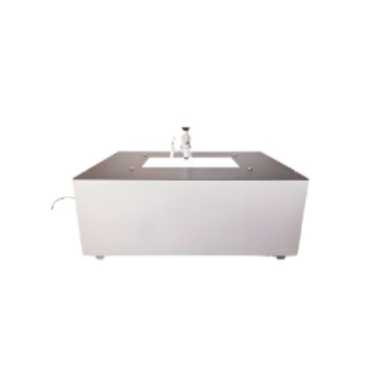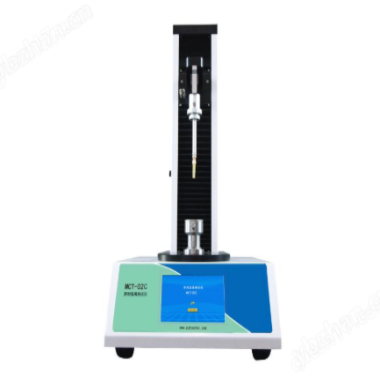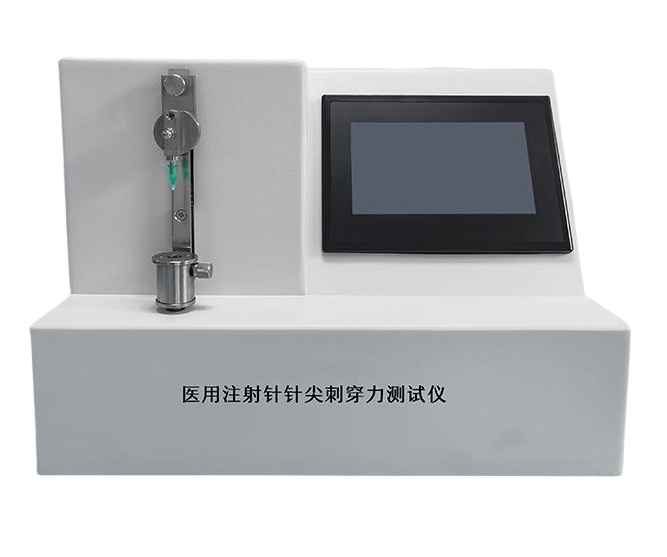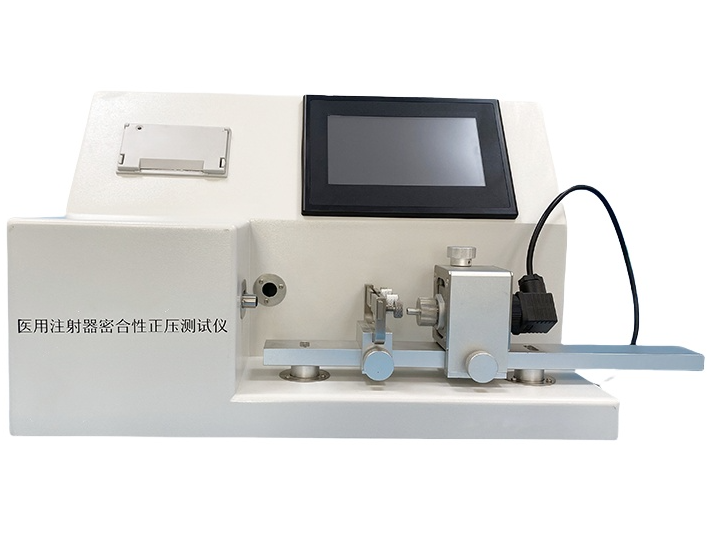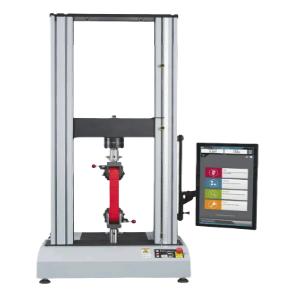
Metal Angular Fixator Testing Machine
Category:Medical Device Tester
Factory Direct
Stable Performance
Intl. Standards
Tech Support
Fast Delivery
Global Shipping

Introduction
The Metal Angular Fixator Testing Machine is a specialized device used to evaluate the mechanical performance of metal angular fixation devices, such as orthopedic plates, screws, or external fixators that maintain a fixed angle. It typically performs static, bending, torsion, and fatigue tests to assess strength, stiffness, and durability under simulated physiological loading conditions.
Standard
(1)YY/T 0856-2011 (China): Specifies mechanical testing protocols for metal angular fixators, including single-compression bending and bending fatigue tests.
(2)ASTM F384-17 (International): Defines methodologies for evaluating the static and fatigue performance of orthopedic angular stabilization devices.
(3)ISO 12177-2: Additional compliance for four-point bending fatigue testing of bone plates.
Application
The Metal Angular Fixator Testing Machine is used for evaluating the mechanical performance of orthopedic angular fixation devices. It is applicable in quality control, research and development, and regulatory compliance testing of implants such as metal fixators, plates, and screws, simulating physiological loading conditions to assess strength, stiffness, and fatigue resistance.
Technical Parameters
| Parameter | Specification |
|---|---|
| Max. Bending Force | ±10.000 N (0.01 N resolution) |
| Max. Torsional Moment | ±5 Nm (0.001 Nm resolution) |
| Frequency Range | 0.1–30 Hz (0.01 Hz increments) |
| Load Ratio (R) | 0.1–10 (adjustable) |
| Bending Angle Range | 0°–90° (0.1° resolution) |
| Saline Bath Temperature | 37±0.5°C (PT1000 sensor) |
| Data Sampling Rate | 10 kHz (synchronized across 8 channels) |
| Power Requirements | 220V/110V ±10%, 50/60Hz, 1.800W |
| Dimensions (W×D×H) | 600 × 500 × 800 mm |
| Weight | 95 kg (net) / 110 kg (with bath) |
| Noise Level | <55 dB (A-weighted) |
Features
Electromagnetic Servo Actuator: 10 kN axial/5 Nm torsional capacity with programmable load ratios (R=0.1–10).
4-Point Bending Fixture: Self-aligning anvils accommodate fixator lengths (50–200 mm) and angles (0°–90°).
Dynamic Load Control: 0.1–30 Hz frequency range with sine/square/random waveforms.
Thermal-Mechanical Chamber: 37±0.5°C recirculating saline bath with anti-evaporation design.
High-Resolution Imaging: Built-in 5MP camera system for crack propagation analysis.
Safety Suite: Emergency stop, overload clutches, and leak detection system.
Accessories
(1)Angular Fixator Fixture Kit:
Self-centering clamps (50–200 mm fixator compatibility)
Anatomical angle adapters (0°–90° adjustment)
(2)Thermal-Mechanical Bath:
20L capacity with recirculating pump
Corrosion-resistant titanium interior
(3)AngleFix Pro Software:
Automated stiffness degradation tracking and fatigue limit calculation
21 CFR Part 11-compliant audit trail with blockchain timestamping
Remote monitoring via iOS/Android app
(4)Operator Kit:
Calibrated torque wrench set (0.1–10 Nm)
Fixator alignment jigs (ASTM F384 compliant)
(5)Calibration Bundle:
NIST-traceable force/torque calibration weights
Angular encoder verification tool
(6)Safety Kit:
Leak detection system
Acoustic enclosure with 25 dB noise reduction
FAQ
1. What is the purpose of the Metal Angular Fixator Testing Machine?
The machine is designed to evaluate the mechanical performance of metal angular fixation devices, including static strength, bending stiffness, torsional resistance, and fatigue durability under simulated physiological loads.
2. What types of tests can this machine perform?
It supports static compression, bending, torsion, and cyclic/fatigue testing to simulate real-life conditions experienced by orthopedic implants.
3. Which standards does the machine comply with?
The device can be configured to comply with international orthopedic testing standards such as ASTM F382. ASTM F543. ISO 9585. and relevant national guidelines for implant performance testing.
4. What materials or devices can be tested?
The machine is suitable for metal angular fixators, plates, screws, and other orthopedic devices that require angle stability, as well as composite or polymer-reinforced variants depending on the testing setup.
5. How does the machine ensure accurate and safe testing?
It features high-precision load and displacement sensors, low-friction direct-drive actuators, and protective fixtures to ensure accurate measurements while maintaining operator safety during high-load or fatigue testing.
If you're ready to take the next step, Leave your message below and we'll reply soon. 20+ years of manufacturing & export experience, a partner you can trust.