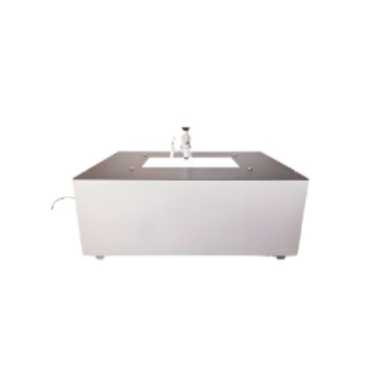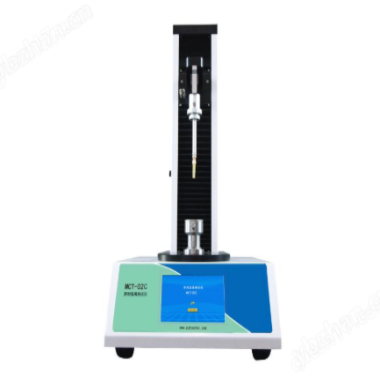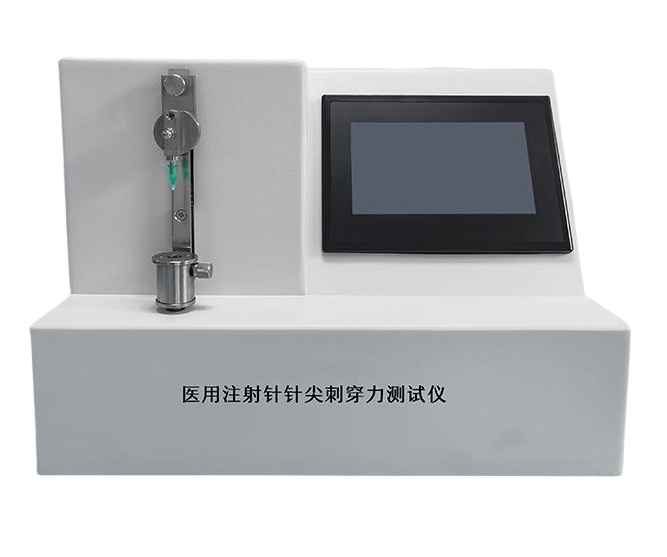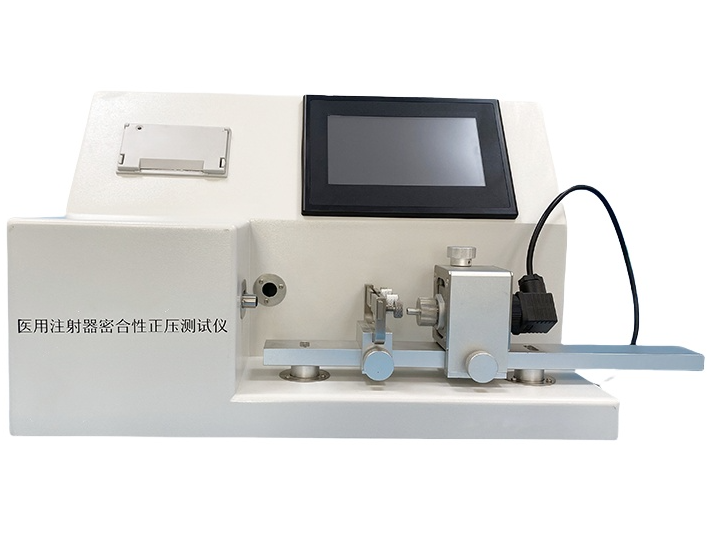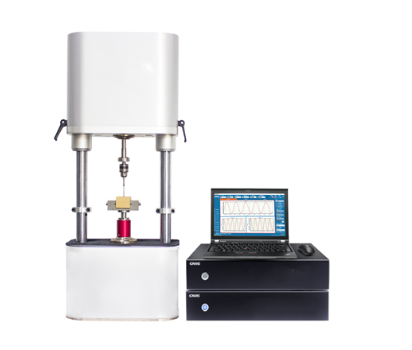
Metal Bone Screws Self – tapping Tester
Category:Medical Device Tester
Factory Direct
Stable Performance
Intl. Standards
Tech Support
Fast Delivery
Global Shipping

Introduction
The Metal Bone Screws Self-tapping Tester is a specialized device designed to evaluate the self-tapping performance of orthopedic metal screws. It measures the torque, insertion force, and cutting efficiency as the screw taps into pre-drilled or synthetic bone materials, ensuring reliable screw design, optimal thread engagement, and consistent surgical performance. This tester is widely used in medical device R&D, quality control, and regulatory testing to verify that screws can be safely and effectively implanted without pre-tapping.
Standard
(1)ISO 6475: Implants for surgery – Wear of total hip-joint prostheses
(2)ASTM F543: Standard Specification and Test Methods for Metallic Medical Bone Screws
(3)YY/T 1505-2016: Chinese Standard for Orthopedic Implant Testing
(4)EN ISO 14708: Implants for surgery – Active implantable medical devices
Technical Parameters
| Parameter | Specification |
|---|---|
| Torque Range | 0–10 N·m (0–88.5 lbf·in) |
| Angular Resolution | 0.1° |
| Speed Control | 1–300 RPM (adjustable) |
| Axial Load Capacity | 0–500 N (0–112.4 lbf) |
| Power Supply | 100–240V AC, 50/60Hz |
| Dimensions (W×D×H) | 500 × 450 × 1.200 mm |
| Weight | 85 kg (187 lbs) |
Features
(1)Dual-Mode Drive System:
Servo motor with 0.1° rotation resolution for precise screw insertion control.
Manual override mode for delicate sample positioning.
(2)Advanced Data Acquisition:
Real-time torque-angle curve display with automatic peak detection and statistical analysis (max/min/mean values).
(3)Modular Fixture System:
Quick-change chucks accommodate screw diameters from 1.5mm to 8.0mm (M1.5 to M8).
Adjustable bone substitute holders for ASTM F1839 synthetic bone blocks.
(4)Environmental Simulation:
Optional temperature-controlled chamber (-20°C to +150°C) for extreme condition testing.
(5)Connectivity:
USB/Ethernet ports for data export (CSV/Excel) and integration with laboratory information systems (LIMS).
Maintenance Information
(1)Clean the tester and accessories after each use to prevent residue buildup.
(2)Lubricate moving parts periodically according to manufacturer guidelines.
(3)Calibrate torque and force sensors regularly to ensure accuracy.
(4)Inspect mechanical and electrical components routinely for wear or damage.
FAQ
1.What is the purpose of the Metal Bone Screws Self-tapping Tester?
It measures the insertion torque, pull-out resistance, and performance of self-tapping metal bone screws in synthetic or real bone models.
2.What types of screws can be tested?
The tester supports various sizes and designs of metal self-tapping bone screws commonly used in orthopedic surgeries.
3.How is the test conducted?
Screws are inserted into a prepared bone sample while the machine records torque, insertion force, and any irregularities during the procedure.
4.How often should the tester be calibrated?
Torque and force sensors should be calibrated regularly, typically per manufacturer recommendations or before critical testing.
5.What maintenance is required?
The device should be cleaned after each use, lubricated periodically, and inspected for wear or damage to ensure accurate and safe operation.
If you're ready to take the next step, Leave your message below and we'll reply soon. 20+ years of manufacturing & export experience, a partner you can trust.