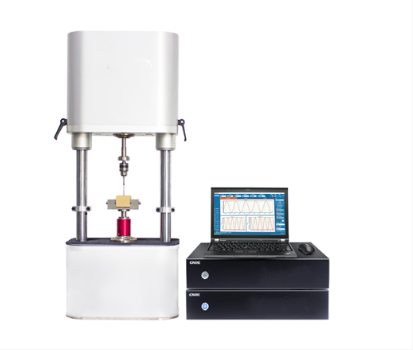
Metal Bone Screws Torque Tester
Category:Medical Device Tester
Factory Direct
Stable Performance
Intl. Standards
Tech Support
Fast Delivery
Global Shipping

Introduction
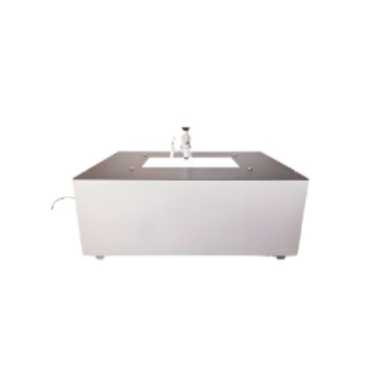
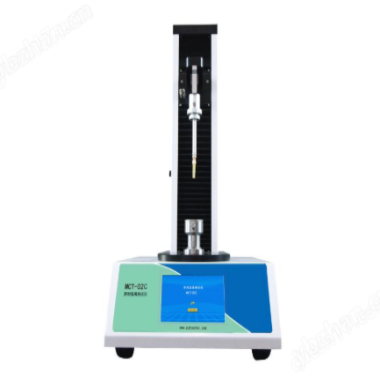
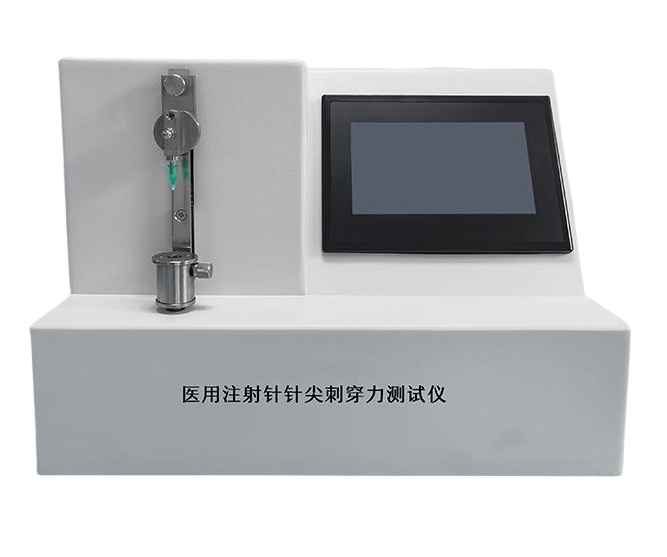
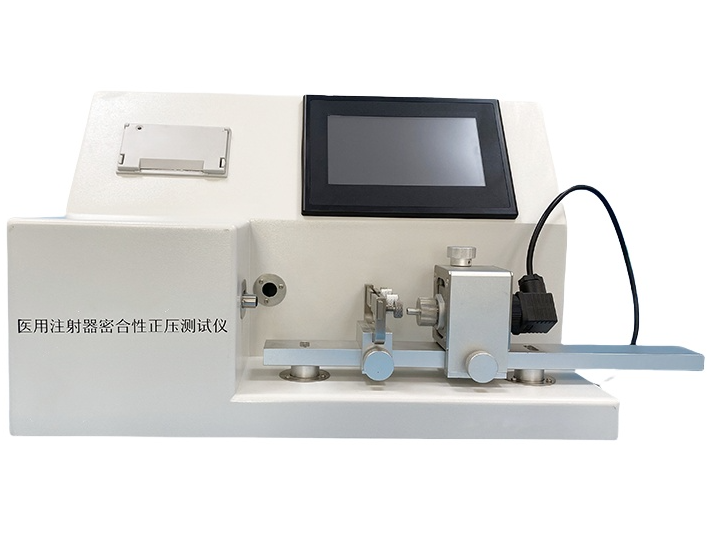
The Metal Bone Screws Torque Tester is a precision testing device designed to evaluate the torque resistance and tightening strength of metal bone screws used in orthopedic surgeries. It measures the maximum torque that screws can withstand during insertion or before failure, ensuring the mechanical reliability and safety of implants. This tester is widely used in medical device R&D, quality control, and compliance testing for stainless steel, titanium, and other surgical-grade bone screws.
Standard
YY/T 1506. ASTM F543:
The standard specifies the torque required to measure the torque required to screw a metallic bone grafting screw into and out of a standardized material in order to confirm the consistency of the product under test. A constant force of 11.17N was maintained at a rate of 3r/min, with 4 turns screwed in and then 4 turns screwed out.
Kyle Measurement & Control M-100T is lightweight, easy to operate and precise in control, suitable for bone nail testing. We provide you with professional test fixtures to meet the standard requirements, as well as accurate and effective test program (SOP), and optional data post-processing software to reduce the difficulty of data processing to help analyze the mechanical properties of metal bone screws.
Main technical parameters
1. Unit: N-m
2.Resolution: 0.001N.m
3… Torque range: 0-10N.m
4. Torque sensor accuracy level: less than 0.5%F.S.
5.Speed accuracy: ±0.01mm/min
6. Axial force sensor: 2000N (taking into account the axial pull-out force test)
7. Pressure sensor accuracy level: less than 0.5%F.S.
8. Pressure sensor resolution: 0.001N
9. Linear displacement sensor: range above 50m.
10. Displacement sensor accuracy level: less than 0.5%F.S.
11. Displacement sensor resolution: 0.01mm
12. Torsion angle sensor: 999999 °
13. Torsion angle accuracy: ±0.2°.
14. Torsion speed: 1r/min ~ 30r/min within any choice
15. Effective stroke: 500±10mm (can be increased according to demand)
16. Torque resolution 1/±1000000F.S
17.Relative error of torque display value ≤±0.2%.
18.Torsion angle resolution 0.001°.
19. Relative error of torsional angular velocity within ±0.5% of set value
20. Coaxiality of the two collets ≤ ¢0.2mm
21 machine power ≈ 0.4kW
22. Power supply voltage ~220V±10% 50Hz (must be reliably grounded)
Features
1. Diversification of functions, can realize a multi-functional, multi-purpose machine
2. Humanized interface design, easy to operate
3. Industrial appearance design, beautiful and generous, focusing on user experience
4. Professional high-performance control system to control the coordinated action of dual motors
5. Imported customized high sensitivity load element, imported screw to ensure accurate displacement.
6.Professional fixture for different testing modes.
7. Simple and easy to operate, highly simplified control system puts all the cumbersome settings in the background to complete, one-button startup.
8. Multi-curve drawing mode, easier to control the testing process.
9. metal bone screw rotating (screwing in and out) torque testing machine test method using full Chinese operation and display interface, display information intuitive and easy to read, multi-key operation, with Chinese display interface, make your operation more simple, completely according to the customary prompts interface sequence operation, complete the system parameter settings. Adopt AC servo motor, precision reducer transmission, with loading uniformity, stability, no impact phenomenon, data collection and control of accurate characteristics.
Accessoriess
(1)Torque wrench or driver adapters for different screw sizes.
(2)Calibration weights or torque standards for accuracy verification.
(3)Sample holders or fixtures to secure screws during testing.
(4)Power supply cables and connection units.
Maintenance Information
(1)Regularly calibrate torque sensors to ensure accuracy.
(2)Keep moving parts clean and lubricated as recommended by the manufacturer.
(3)Inspect fixtures and adapters for wear or damage.
(4)Store the device in a dry, dust-free environment to prevent corrosion.
FAQ
1.What is the purpose of the Metal Bone Screws Torque Tester?
It measures the torque required to tighten or break metal bone screws, ensuring their mechanical reliability and surgical safety.
2.Which types of screws can be tested?
The tester accommodates various orthopedic metal screws, including cortical, cancellous, and locking screws, with adjustable fixtures.
3.How is a test performed?
The screw is secured in a fixture, torque is applied gradually using a wrench or driver adapter, and the maximum torque is recorded at failure or set limit.
4.How often should the device be calibrated?
Calibration is recommended regularly, typically every 6–12 months, or whenever accuracy is critical, using certified torque standards.
5.What maintenance is required?
Keep fixtures clean, lubricate moving parts, inspect for wear, and store in a dry environment to ensure long-term performance.
If you're ready to take the next step, Leave your message below and we'll reply soon. 20+ years of manufacturing & export experience, a partner you can trust.