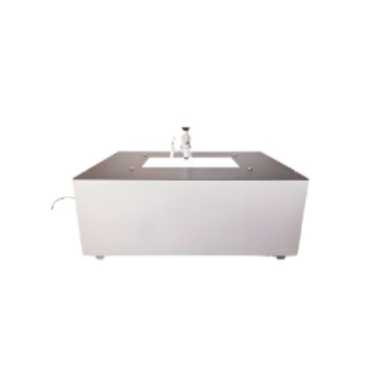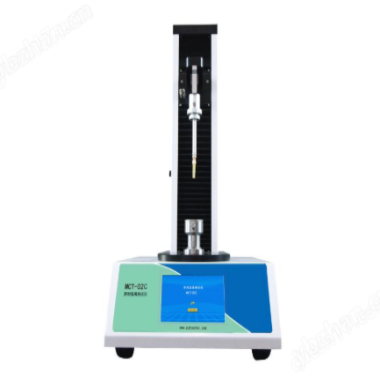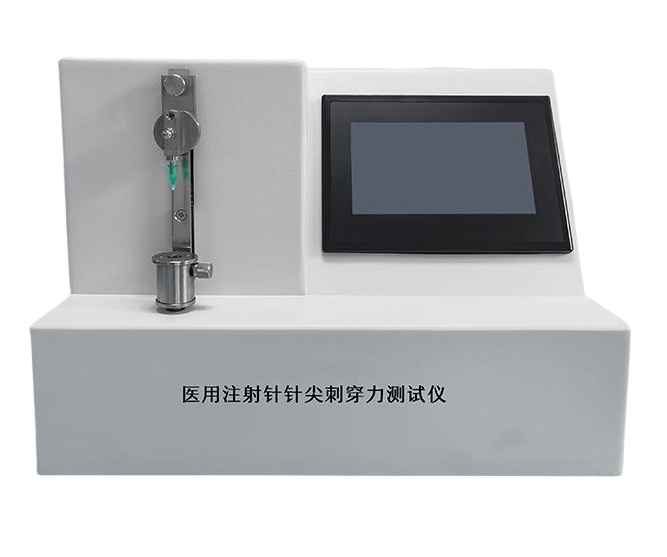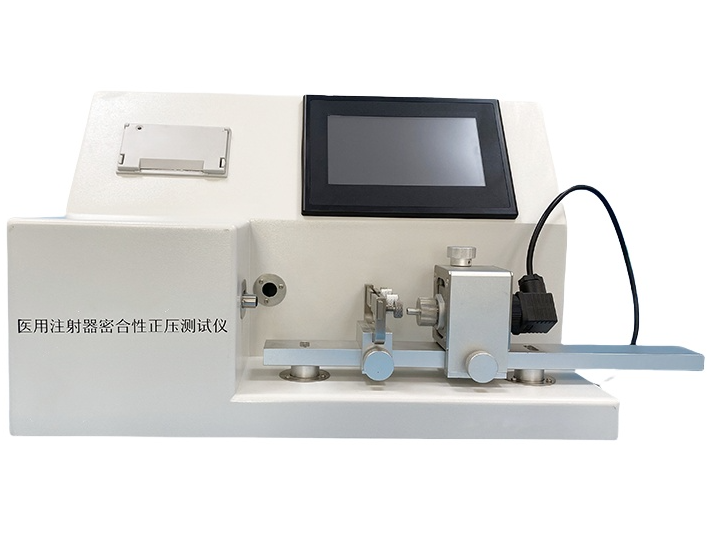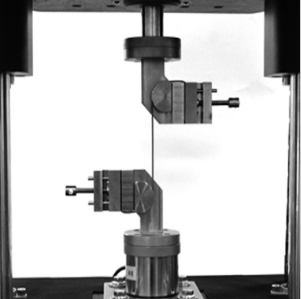
Metallic Cables and Wire Ropes Mechanical Property Testing Machine
Category:Medical Device Tester
Factory Direct
Stable Performance
Intl. Standards
Tech Support
Fast Delivery
Global Shipping
Introduction
The Metallic Cables and Wire Ropes Mechanical Property Testing Machine is a specialized testing device designed to evaluate the mechanical performance of metal cables and wire ropes. It measures properties such as tensile strength, elongation, breaking load, fatigue resistance, and bending behavior under controlled conditions. Widely used in industries like construction, shipping, elevators, and cranes, this machine ensures that cables and ropes meet safety standards and performance requirements before deployment. It provides precise, repeatable results for quality control, research, and certification purposes.
Standard
(1)YY/T 0812-2010 (China): Specifies mechanical testing protocols for metal cables/cables used in fracture fixation, including fatigue strength and load-to-failure requirements.
(2)ASTM F2180-19 (International): Defines methodologies for evaluating the dynamic fatigue performance of orthopedic cable systems under cyclic loading.
(3)ISO 12177-3: Additional compliance for tension-tension fatigue testing of surgical cables.
Technical Parameters
| Parameter | Specification |
|---|---|
| Max. Tensile Load | ±10.000 N (0.01 N resolution) |
| Max. Torsional Moment | ±5 Nm (0.001 Nm resolution) |
| Frequency Range | 0.1–30 Hz (0.01 Hz increments) |
| Load Ratio (R) | 0.1–10 (adjustable) |
| Cable Diameter Range | 1.0–5.0 mm (0.01 mm resolution) |
| Saline Bath Temperature | 37±0.5°C (PT1000 sensor) |
| Data Sampling Rate | 10 kHz (synchronized across 8 channels) |
| Power Requirements | 220V/110V ±10%, 50/60Hz, 1.800W |
| Dimensions (W×D×H) | 600 × 500 × 800 mm |
| Weight | 90 kg (net) / 105 kg (with bath) |
| Noise Level | <55 dB (A-weighted) |
Features
(1)Electromagnetic Servo Actuator: 10 kN tensile/5 Nm torsional capacity with programmable load ratios (R=0.1–10).
(2)Dynamic Load Control: 0.1–30 Hz frequency range with sine/square/random waveforms.
(3)Thermal-Mechanical Chamber: 37±0.5°C recirculating saline bath with anti-evaporation design.
(4)High-Resolution Imaging: Built-in 5MP camera system for fretting/corrosion analysis.
(5)Safety Suite: Emergency stop, overload clutches, and leak detection system.
(6)Modular Design: Dual-station configuration enables simultaneous specimen testing.
Accessories
(1)Cable Fixture Kit:
Self-centering clamps (1.0–5.0 mm cable compatibility)
Torsion adapters for multi-strand cables
(2)Thermal-Mechanical Bath:
20L capacity with recirculating pump
Corrosion-resistant titanium interior
(3)CableTest Pro Software:
Automated S-N curve generation and fatigue limit calculation
21 CFR Part 11-compliant audit trail with blockchain timestamping
Remote monitoring via iOS/Android app
(4)Operator Kit:
Calibrated micrometer set (0.01–1.00 mm)
Cable alignment jigs (ASTM F2180 compliant)
(5)Calibration Bundle:
NIST-traceable force/torque calibration weights
LVDT verification tool
(6)Safety Kit:
Leak detection system
Acoustic enclosure with 25 dB noise reduction
Maintenance Information
(1)Regular Lubrication – Keep moving parts, screws, and bearings lubricated to ensure smooth operation and reduce wear.
(2)Calibration – Periodically calibrate load cells, sensors, and control systems to maintain measurement accuracy.
(3)Cleaning – Remove dust, metal residues, and debris from grips, frames, and electronic components to prevent interference or damage.
(4)Inspection – Routinely check cables, clamps, hydraulic lines, and electrical connections for wear, corrosion, or loose fittings and replace as needed.
FAQ
1.What is the main function of this machine?
It measures mechanical properties of metallic cables and wire ropes, including tensile strength, elongation, breaking load, and fatigue resistance.
2.What types of tests can it perform?
The machine supports tensile, elongation, bending, breaking, and cyclic fatigue tests for various wire diameters and rope constructions.
3.What materials are compatible with this tester?
It is suitable for steel, stainless steel, galvanized, and alloy cables, as well as multi-strand wire ropes used in industrial applications.
4.How is data recorded and analyzed?
The machine uses integrated sensors and software to record load, elongation, and stress-strain curves, allowing real-time monitoring and detailed post-test analysis.
5.What safety precautions should be observed during testing?
Always secure the specimen properly, keep hands clear of moving parts, wear protective equipment, and ensure emergency stop mechanisms are functional before starting tests.
If you're ready to take the next step, Leave your message below and we'll reply soon. 20+ years of manufacturing & export experience, a partner you can trust.