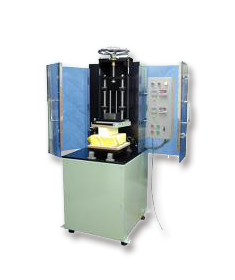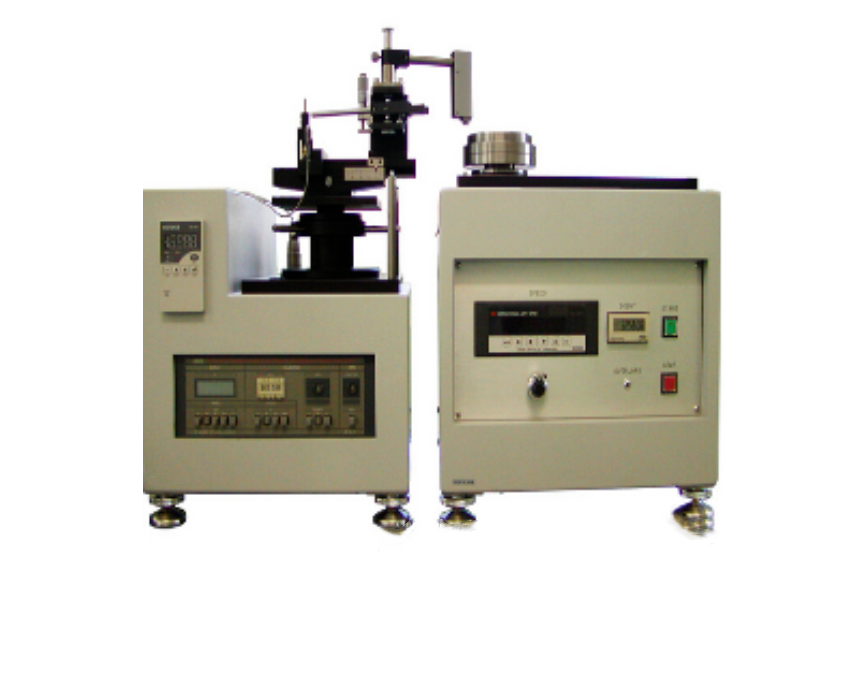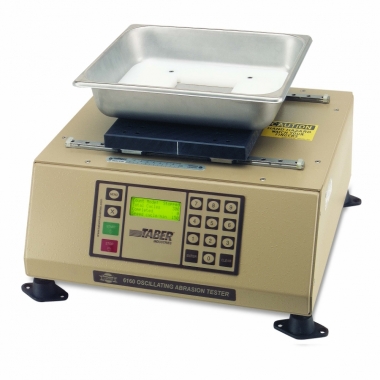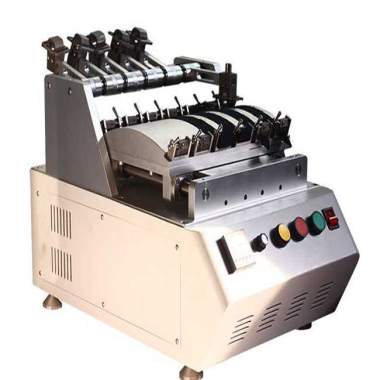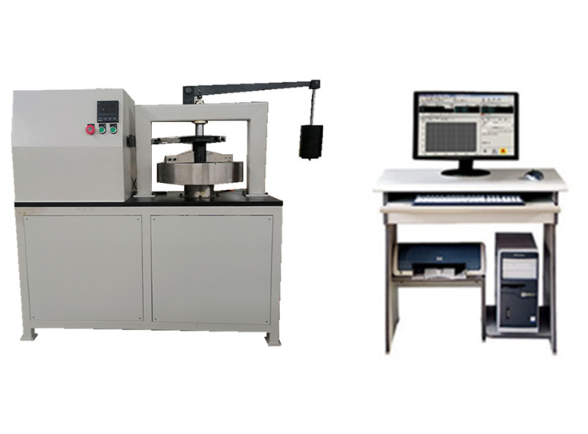
Micro Controll Constant-Speed Friction Plate Tester
Category:Abrasion Tester

Introduction
The Micro Controll Constant-Speed Friction Plate Tester is a device composed of a test force loading system, a friction force measuring system, an experimental clamping system, a temperature measuring system, a spindle system, a lubrication system, and an electrical control system.
Application
microcomputer control fixed-speed friction tester is mainly used to measure the friction coefficient and wear rate of automobile brake linings (brake pads), automobile clutch facings, oil drilling rig brake blocks and a variety of industrial machinery friction pads, motorcycle brake pads and other non-metallic friction materials.
Standards
(1)GB/T5764-1998: brake linings for automobiles.
(2)GB/T5764-1998: clutch facings for automobiles;
(3)GB/T11834-2000: asbestos friction pads for industrial machinery;
(4)SY/T5023-1994: brake blocks for oil drilling rigs.
Parameters
| Items | Details |
|---|---|
| Control System | Independently researched and developed by Jinan. Utilizes a laptop plus lower computer control software for closed-loop control experiments, enabling real-time control of the test process, collection and analysis of test data, automatic processing of test results, and drawing of curve analysis reports. |
| Temperature | Measurement and control range: 0 ~ 260 ℃ (up to 350 ℃); Measurement accuracy: 1 ℃; Measurement error: 5 ℃ |
| Friction | Measurement range: 0 ~ 2000N; Measurement accuracy: 0.2N; Measurement error: 10.0N |
| Mo Disc Rotation | 480 ~ 500r/min; Measurement accuracy: 1 turn; Measurement error: 1 turn |
| Power | Main unit: 7.5kw; Heating pipe: 4.5kw; Fan: 120w (two fans, total 240w considered in total power calculation); Total power: 12.12kw |
| Friction Disk | Material: Gray cast iron HT-250; Brinell hardness: 180~220HB; Pearlite structure |
| Specimen | Not specified |
| Friction Radius | R = 150mm |
| Positive Pressure | 0.49Mpa – 0.98Mpa |
| Loading Weights | 1.25kg – 1 piece; 2.5kg – 3 pieces |
| External Shape Dimensions | Not specified |
| Control Cabinet | 800×600×1000 |
| Weight | About 1000kg |
Feature
Strictly in accordance with the provisions of the GB5763-98 standard, in keeping with the basic principles and structure of Japan’s HP-S-type prototype machine based on the combination of modern technology to improve the design and become.
(1)electromechanical integration of the whole structure, the user wiring available.
(2)force measuring organization force flow in the same plane, completely solve the mechanical vibration problem.
(3)gravity code calibration device, so that the measurement is more accurate.
(4) stainless steel heating and cooling cover, wet parts of all nickel-plated rust-proof treatment, stainless steel nickel wire heater;
(5)pre-furnace assay electric furnace precision casting friction disk.
(6) increased cooling fan to prevent water vapor sprayed onto the surface of the friction disk and affect the measurement data.
(7) adopted a new way of measuring force, canceled the vibration damping device, improve the measurement accuracy.
(8)host and console compact structure, beautiful appearance, can realize the automatic circulation of cold water and drainage.
Accessoriess
The main components of a sliding bearing PV friction testing machine include the headstock, tailstock, tool holder, torque sensor, force sensor, spindle assembly, loading system, linear guide rails, air bellows, and motor.
FAQ
1. What is a Micro Control Constant-Speed Friction Plate Tester?
This tester is designed to evaluate the frictional properties, wear behavior, and lubrication performance of friction materials under a controlled, constant rotational speed, simulating real-world operating conditions in brakes, clutches, and machinery.
2. How does the constant-speed friction test work?
The machine rotates a friction plate at a set speed while applying a controlled load. Friction force, wear, and temperature are measured over time to assess material performance and stability.
3. What types of materials can be tested?
It can test brake pads, clutch plates, polymer friction materials, metal composites, and other tribological surfaces used in automotive, industrial, and mechanical applications.
4. What parameters are measured during testing?
The tester measures friction coefficient, wear rate, temperature rise, torque, and sometimes surface deformation. Some models provide real-time data logging and graphical analysis.
5. Why is micro control constant-speed friction testing important?
Testing ensures friction materials maintain consistent performance under operational conditions, preventing excessive wear, overheating, and mechanical failure. It helps manufacturers optimize material composition, surface treatments, and lubrication strategies.
If you're ready to take the next step, Leave your message below and we’ll reply soon. 20+ years of manufacturing & export experience, a partner you can trust.