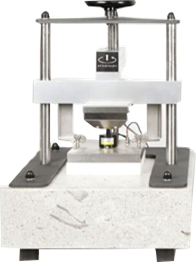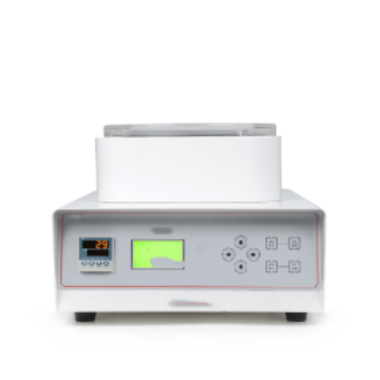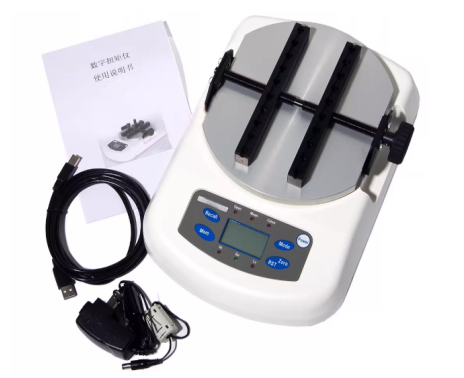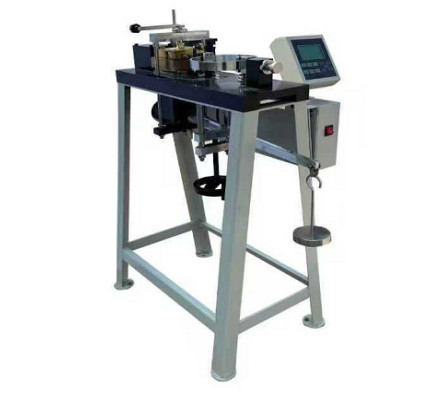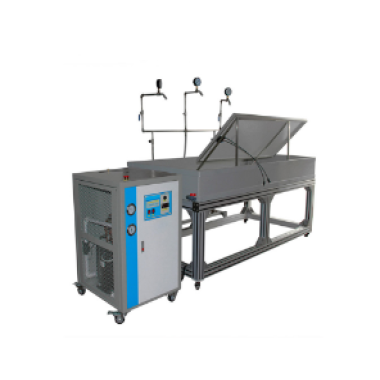
Photovoltaic Module Backplane Peeling Strength Testing Machine
Category:Material Strength Tester
Factory Direct
Stable Performance
Intl. Standards
Tech Support
Fast Delivery
Global Shipping

Introduction
The Photovoltaic Module Backplane Peeling Strength Testing Machine is a specialized device designed to evaluate the peeling strength of photovoltaic module backplanes, ensuring the durability and reliability of solar panels. This testing machine complies with the IEC 61730-2 standard, which is critical for assessing the safety and performance of photovoltaic modules.
This equipment is essential for manufacturers and quality control laboratories focused on photovoltaic modules, as it helps verify the adhesion strength of backplanes, which is vital for the longevity and safety of solar panels. By using this testing machine, users can identify potential weaknesses in module construction and improve product quality. The device is designed for ease of use and accuracy, making it a valuable tool in the photovoltaic industry. Please note that the information provided is intended for industry professionals and should be used as a reference.Buyers are advised to ensure they meet all relevant qualifications and regulatory requirements before purchasing.
Application
(1) Measurement of backplane peeling strength in framed and frameless PV modules
(2) Verification of adhesion quality for module encapsulants and backsheet materials
(3) Evaluation of module mechanical reliability during design and production stages
(4) Compliance testing for safety and durability assessment per IEC 61730-2
(5) Identification of potential defects in module lamination processes
Standards
(1) IEC 61730-2 – Photovoltaic (PV) Module Safety Qualification: Part 2 – Mechanical Testing
(2) Optional: ISO 178 – Plastics – Determination of Flexural Properties
(3) Optional: ASTM D1876 – Peel Resistance of Adhesives (T-Peel Test)
(4) CE Certification – Conformité Européenne
Parameters
| Parameter | Specification |
|---|---|
| Rated Load | 500 N |
| Travel Distance | 210 mm |
| Digital Display Test Speed | 50–500 mm/min |
| Peeling Method | 0–180° (adjustable) |
| Glass Speed | 50 ± 5 mm/min |
| Maximum Stripping Force | ≥200 N |
Features
High Precision Load Application: Rated load capacity of 500 N ensures accurate simulation of peeling forces.
Adjustable Peeling Method: 0–180° peeling angle accommodates a wide range of testing scenarios.
Digital Display: Real-time monitoring of test speed (50–500 mm/min) and applied force.
Consistent Glass Speed: Maintains 50±5 mm/min for reliable testing of PV module surfaces.
Maximum Stripping Force Measurement: Capable of measuring ≥200 N for backplane adhesion evaluation.
User-Friendly Operation: Simple setup with accurate, repeatable results, suitable for laboratory environments.
Accessories
(1) PV module clamps and mounting fixtures
(2) Digital force display unit
(3) Software for data acquisition and test result recording
(4) Calibration weights and verification tools
(5) User manual and compliance documentation
FAQ
1. What is a Photovoltaic Module Backplane Peeling Strength Testing Machine?
This machine is used to measure the adhesive strength between the backsheet and other layers of a photovoltaic (PV) module. It ensures that the layers remain bonded under mechanical and environmental stresses.
2. How does the peeling strength test work?
The tester grips the backsheet and the PV module layers separately, then pulls them apart at a controlled speed and angle. The force required to peel the layers apart is measured and recorded.
3. What types of PV modules can be tested?
It can test various photovoltaic modules, including monocrystalline, polycrystalline, and thin-film solar panels, with different backsheet materials such as PET, PVF, and composite laminates.
4. What parameters are measured during testing?
The machine measures peeling force, peeling strength (N/mm), elongation during peeling, and mode of failure (adhesive or cohesive). Some models provide real-time data logging and graphical analysis.
5. Why is peeling strength testing important for PV modules?
Testing ensures long-term adhesion of the backsheet, which is crucial for module durability, weather resistance, and electrical insulation. It helps manufacturers guarantee product quality and prevent delamination under field conditions.
If you're ready to take the next step, Leave your message below and we'll reply soon. 20+ years of manufacturing & export experience, a partner you can trust.