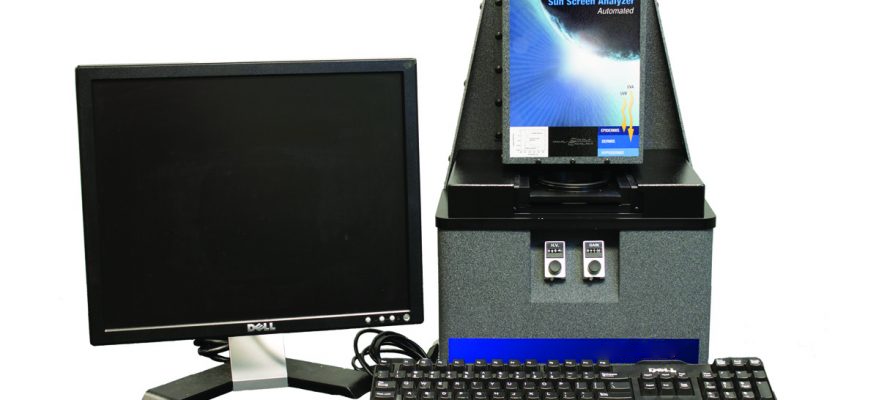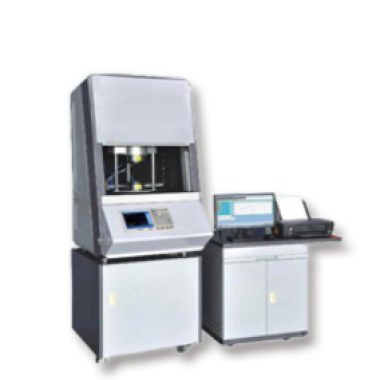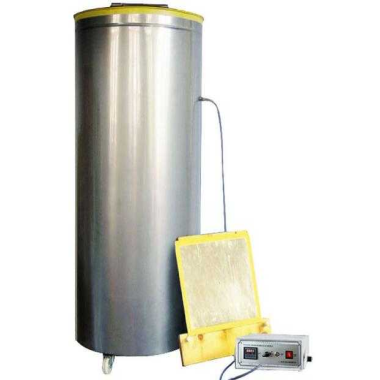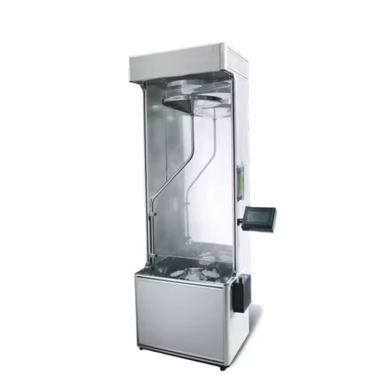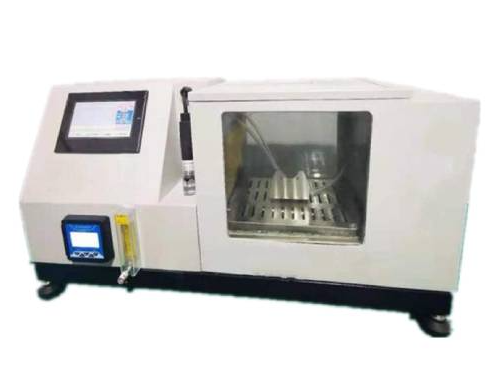
Protective Clothing Chemical Liquid Penetration Resistance Tester
Category:Fabric & Textile Tester
Introduction
The Protective Clothing Chemical Liquid Penetration Resistance Tester is designed to evaluate the resistance of protective clothing materials against chemical liquid penetration under continuous contact conditions. It provides reliable data to help you assess barrier performance, breakthrough time, and penetration rate of protective garments used in chemical exposure environments.
Application
You use this tester to measure the chemical liquid penetration resistance of protective clothing and related protective equipment.
It is suitable for testing chemical protective suits, protective fabrics, seams, composite materials, and other barrier materials used in chemical protection clothing, gloves, and related safety products.
Standards
The Protective Clothing Chemical Liquid Penetration Resistance Tester complies with the following standards:
(1) ASTM F739 Standard Test Method for Permeation of Liquids and Gases through Protective Clothing Materials under Conditions of Continuous Contact
(2) EN 374-4 Protective gloves against chemicals and micro-organisms – Part 4: Determination of resistance to degradation by chemicals
(3) EN 374-3 Protective gloves against chemicals and micro-organisms – Part 3: Determination of resistance to permeation by chemicals
(4) DIN EN 16523-1 Determination of material resistance to permeation by chemicals – Part 1: Permeation by liquid chemicals under conditions of continuous contact
(5) BS EN 14325 Chemical protective clothing – Test methods and performance classification of chemical protective clothing materials, seams, joints, and assemblies
(6) BS EN ISO 6529:2001 Protective clothing. Protection against chemicals. Determination of resistance of protective clothing materials to permeation by liquids and gases
Parameters
| Item | Specification |
|---|---|
| Test Flow Rate | 0.1–500 ml/min |
| Data Collection Method | Automatic analysis at fixed time intervals |
| Collected Data | Measurement parameters, permeation time, permeation rate, maximum permeation rate, standard breakthrough time |
| Time Measurement Range | 0–99,999 h |
| Power Supply | AC 220 V, 50 Hz |
| Overall Dimensions (L × W × H) | 540 × 380 × 500 mm |
| Total Weight | 40 kg |
Features
You operate the tester through a color touchscreen with Chinese and English menu-based interfaces.
A 32-bit multifunction control board and high-precision temperature acquisition chip ensure stable performance.
A high-efficiency micro flow pump quickly establishes a closed-loop circulation system.
The precision data acquisition system accurately captures and analyzes permeated chemicals.
Corrosion-resistant pipelines ensure long-term reliability when testing aggressive chemicals.
The system offers stable operation, accurate measurement, and simple, efficient testing procedures.
Accessories
(1) Main testing unit
(2) Chemical measurement cell and capture cell assembly
(3) Silicone sealing rings and protective gaskets
(4) Power cable
(5) User manual
(6) Certificate of conformity
Maintenance Information
You should regularly clean the test chambers and circulation pipelines after each test.
Sealing rings and gaskets should be inspected periodically to maintain leak-free operation.
Flow pumps and sensors should be checked to ensure stable circulation and accurate measurement.
Routine inspection and calibration help maintain long-term testing accuracy and reliability.
FAQ
1.What is this product?
This product is a tester for evaluating chemical liquid penetration resistance of protective clothing materials.
2.What is this product used for?
You use it to measure permeation time, permeation rate, and breakthrough performance under continuous chemical contact.
3.What is the working principle of this product?
It circulates chemical liquid through a closed-loop system and analyzes permeation through the specimen using capture liquid and sensors.
4.Why is this product important?
It helps ensure protective clothing meets safety requirements for chemical exposure environments.
5.What industries is this product suitable for?
It is suitable for chemical protection equipment manufacturers, testing laboratories, certification bodies, and safety research institutions.