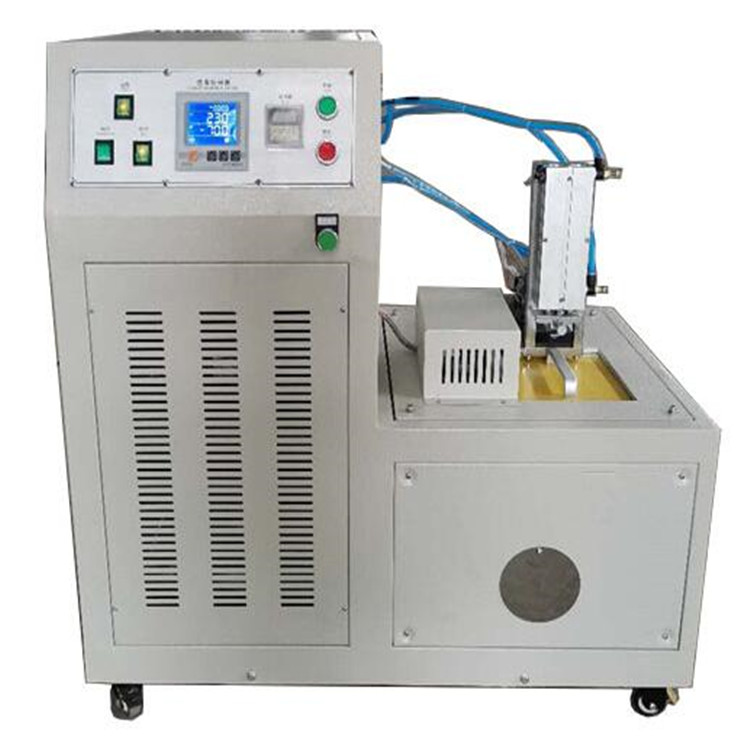
Rubber Low Temperature Brittleness Tester
Category:Other Aging Machines

Introduction
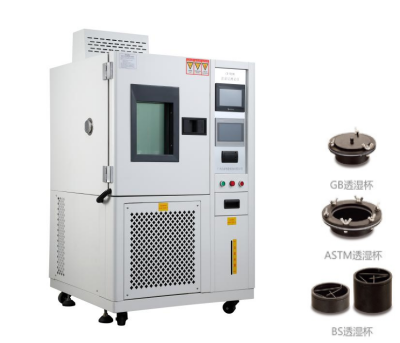
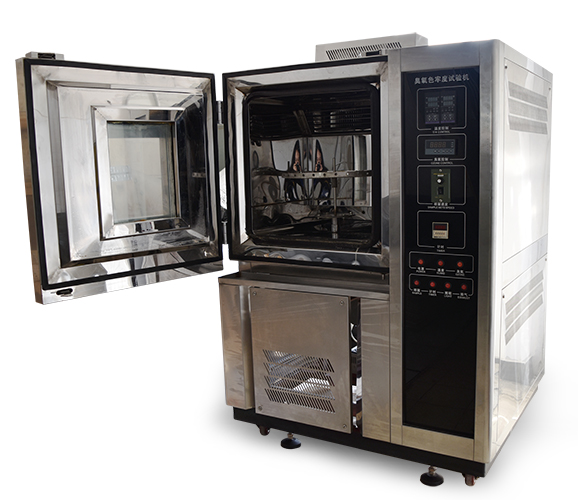
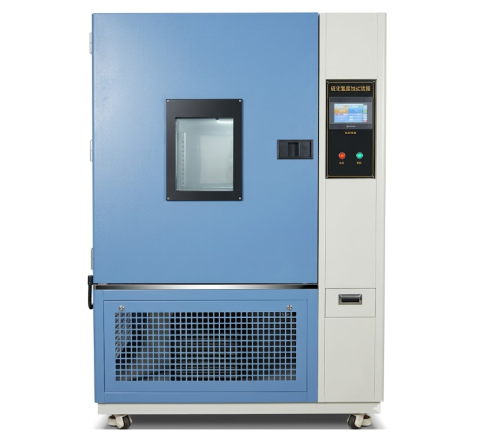
The Rubber Low Temperature Brittleness Tester determines the temperature at which rubber and plastic samples become brittle under impact conditions. It allows comparative evaluation of non-rigid plastics and other elastic materials under low temperature environments, assessing advantages, limitations, and low-temperature performance. The equipment uses cascade compressor refrigeration, heat balance, and circulation stirring technology to achieve uniform cooling and precise temperature control. There are two models: one for rubber and one for plastic.
Applications
(1) Rubber automotive parts: tires, seals, hoses.
(2) Footwear components: rubber soles, midsoles, and elastomeric materials.
(3) Industrial rubber products: conveyor belts, vibration dampers.
(4) Plastic components: thermoplastic elastomers, PVC, PU sheets.
(5) Laboratory research: evaluating low-temperature brittleness for R&D of polymers.
(6) Quality control: monitoring material performance in production and ensuring compliance with standards.
Standards
(1) ISO 812 — Rubber, vulcanized or thermoplastic: Determination of low-temperature brittleness
(2) GB/T 15256 — Rubber, vulcanized or thermoplastic: Determination of low-temperature brittleness
(3) JIS K 6261-2006 — Rubber, vulcanized or thermoplastic: Low-temperature property determination
(4) ASTM D2137 — Rubber property: Brittleness point of flexible polymers and coated fabrics
Technical Parameters
| Item | Specification |
|---|---|
| Temperature control range | -80℃ (room temp ≤25℃); models available for -60℃, -70℃, -80℃ |
| Cooling speed | 0 → -20℃: 1.2–20℃/min -20 → -30℃: 1.0–30℃/min -30 → -40℃: 0.7–60℃/min -40 → -60℃: 0.7℃/min -60 → -80℃: 0.5℃/min |
| Temperature fluctuation (after constant) | < ±0.5℃ within 3 min |
| Overall size | 900 × 505 × 800 mm (L × W × H) |
| Test chamber size | 220 × 170 × 70 mm (L × W × H) |
| Cooling medium | Ethanol or other non-freezing liquid |
| Mixing motor | 15 W |
| Power supply | 220–240 V, 50 Hz, 2 kW |
Features
(1) Measures low-temperature brittleness point of rubber and plastic, critical for material selection and durability evaluation.
(2) Uses cascade compressor refrigeration for rapid and uniform cooling.
(3) Precise temperature control with minimal fluctuation (±0.5°C).
(4) Fully automatic cooling and constant temperature maintenance.
(5) Suitable for laboratory research, production monitoring, and quality control.
Accessories
(1) User manual
(2) Delivery note
(3) Standard sample holders / clamps (depending on material type)
(4) Spare fuses
(5) Cooling medium container (if supplied)
Maintenance
(1) Keep the exterior and interior of the test chamber clean and free from debris.
(2) Replace or replenish cooling medium as needed to maintain proper performance.
(3) Check the mixing motor and compressor regularly for wear or abnormal noise.
(4) Inspect electrical connections and fuses periodically.
(5) Verify temperature calibration periodically using a certified thermometer.
(6) Store the machine in a dry, ventilated environment to prevent corrosion.
FAQ
1. What is the primary purpose of this tester?
It evaluates the brittleness and flexibility of rubber materials at low temperatures to determine their performance in cold environments.
2. Which types of rubber can be tested using this device?
The tester is suitable for natural rubber, synthetic rubber, elastomers, and other flexible polymer materials.
3. How does the tester operate?
It cools rubber samples to specified low temperatures and applies a bending, impact, or deformation test to assess brittleness or cracking.
4. Which standards does this tester comply with?
It supports international rubber testing standards, including ASTM D2137. ISO 812. and relevant national or industry-specific protocols.
5. Who typically uses this equipment?
Rubber manufacturers, quality control laboratories, and R&D teams use it to ensure product performance in cold conditions, optimize formulations, and meet regulatory requirements.
If you're ready to take the next step, Leave your message below and we’ll reply soon. 20+ years of manufacturing & export experience, a partner you can trust.