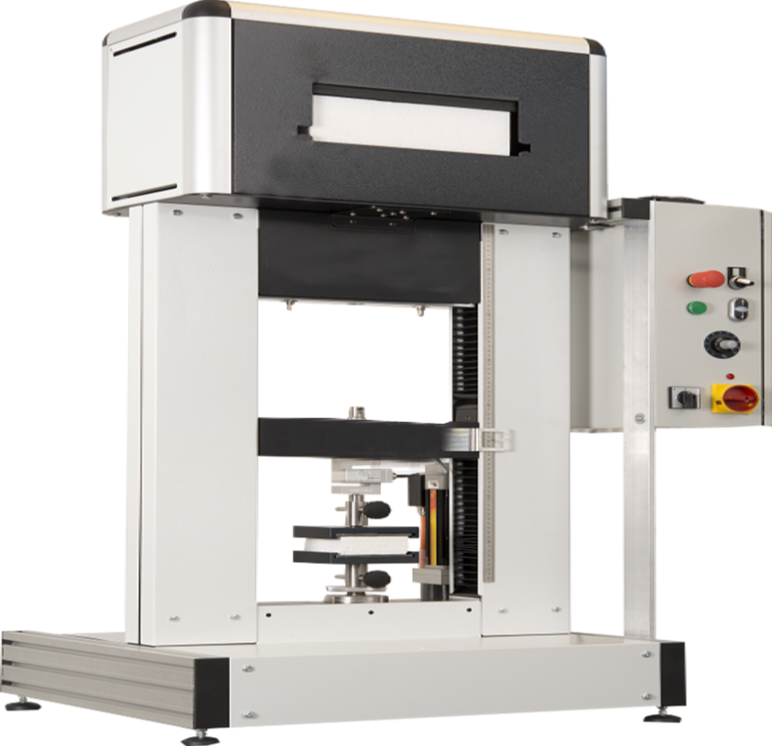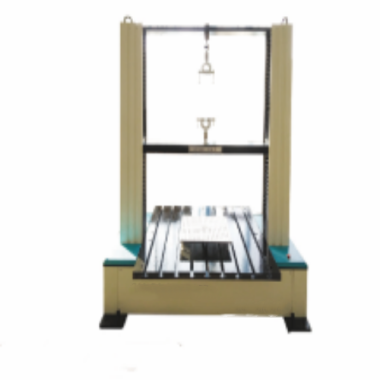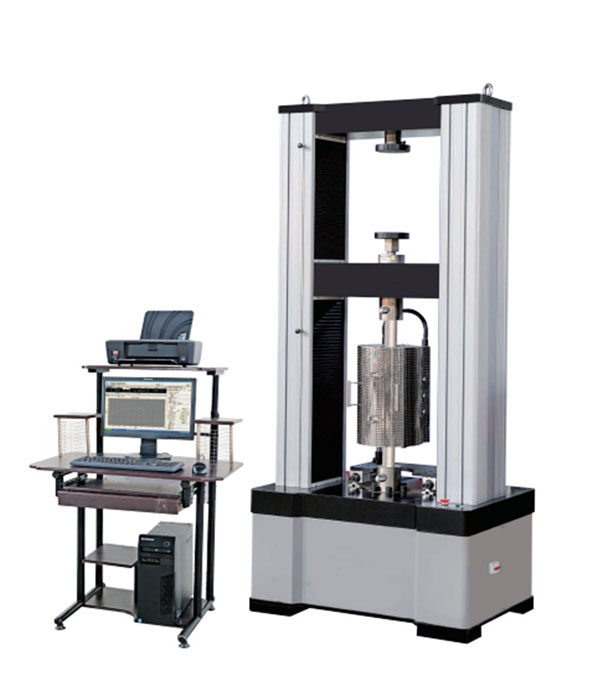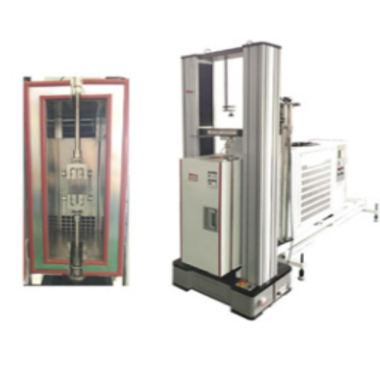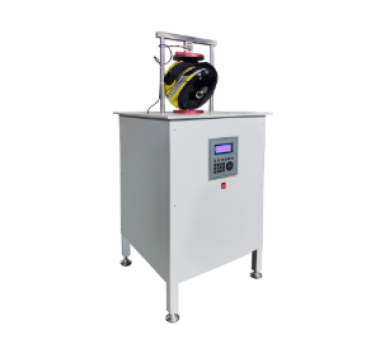
Safety Helmet Lateral Rigidity Tester
Category:Universal Strength Tester
Factory Direct
Stable Performance
Intl. Standards
Tech Support
Fast Delivery
Global Shipping

Introduction
The Safety Helmet Lateral Rigidity Tester is a precision instrument designed to evaluate the lateral deformation resistance of helmets under controlled loading. It measures force-displacement behavior with high accuracy, ensuring compliance with national and international helmet safety standards. The tester accommodates various helmet sizes and types, providing repeatable and reliable testing for both production quality control and R&D applications.
Application
This tester is suitable for evaluating lateral rigidity in various helmet testing scenarios, including:
(1) Industrial safety helmets used in construction, manufacturing, and mining
(2) Cycling helmets for road and mountain biking
(3) Sports helmets for skating, skiing, and snowboarding
(4) Motorcycle and E-bike helmets for rider safety certification
(5) Quality control and R&D of helmet designs with different shell materials or thicknesses
Standards
The tester complies with the following standards:
(1) GB 2812 – Safety Helmets (China National Standard)
(2) ISO 6220-2 – Industrial Safety Helmets: Lateral Deformation
(3) CE Certification (Conformité Européenne)
(4) ISO 17025 – General requirements for testing and calibration laboratories
Parameters
| Parameter | Specification |
|---|---|
| Force Capacity | 0–1,000N (100 kgf capacity) |
| Force Accuracy | ±1% of reading |
| Displacement Resolution | 0.1mm (ISO 17025 traceable) |
| Test Rate | 100N/min ±10N/min (configurable) |
| Max Travel Distance | 600mm (23.6”) |
| Power Supply | 220V AC, 50/60Hz (single-phase) |
| Dimensions | 700mm (W) × 500mm (D) × 1,300mm (H) |
| Weight | 95 kg (net) |
Features
High-Precision Lateral Testing: 0–1,000N load capacity with 0.1mm displacement resolution.
Accurate Force Control: ±1% force accuracy and adjustable test rate of 100N/min.
User-Friendly Operation: 7” touchscreen HMI with preloaded GB 2812 test sequences and auto-hold functions.
Quick-Swap Helmet Clamp: Enables rapid replacement of helmets for high-throughput testing.
Data Integrity: Built-in data logger exports force-displacement curves in PDF/CSV formats for audit trails.
Durable Construction: Aircraft-grade aluminum frame and stainless steel sensors resist deformation and corrosion.
Dynamic Force Feedback: Real-time monitoring of peak loads via 0.1N resolution load cell.
Self-Calibrating System: Auto-tare and linearity checks ensure measurement reliability.
Rust-Resistant Frame: 304 stainless steel with epoxy coating for laboratory durability.
Accessories
(1) Testing Kit: 2x universal helmet clamps (adjustable for 50–65 cm heads), 5x calibration grade load cells (10N–1,000N)
(2) Software Suite: License key for RigidityTest Pro (Windows/macOS), 1-year free access to cloud-based deformation analysis tools
(3) Calibration & Safety: NIST-traceable force gauge, 2x safety glasses (EN 166 rated)
(4) Maintenance Kit: Spare drive belts and bearings, machine cleaning solution (non-corrosive)
(5) Documentation: Multilingual quick-start guide (printed + digital), compliance certificates for GB/ISO standards
Maintenance Information
Clean the helmet clamps and compression stage regularly to remove dust and debris.
Inspect and replace drive belts and bearings periodically to maintain smooth operation.
Verify load cell calibration every 6 months using NIST-traceable instruments.
Store the instrument in a dry environment to prevent corrosion of aluminum and steel components.
Follow standard electrical safety protocols during operation and maintenance.
FAQ
1. What is a Safety Helmet Lateral Rigidity Tester?
This device is used to evaluate the lateral rigidity and structural integrity of safety helmets, ensuring they can withstand side impacts and provide adequate protection.
2. How does the lateral rigidity test work?
The helmet is mounted in a testing fixture and subjected to lateral compressive forces. The deformation, resistance, and energy absorption are measured to assess the helmet’s rigidity.
3. What types of helmets can be tested?
It can test industrial safety helmets, construction helmets, bicycle helmets, motorcycle helmets, and other protective headgear designed to meet safety standards.
4. What parameters are measured during testing?
The tester measures lateral deformation, applied force, rigidity, and sometimes energy absorption. Data is recorded for compliance with safety standards.
5. Why is lateral rigidity testing important?
Testing ensures helmets provide adequate side-impact protection, preventing head injuries and ensuring compliance with safety regulations such as EN 397. ANSI Z89.1. or ISO standards.
If you're ready to take the next step, Leave your message below and we'll reply soon. 20+ years of manufacturing & export experience, a partner you can trust.