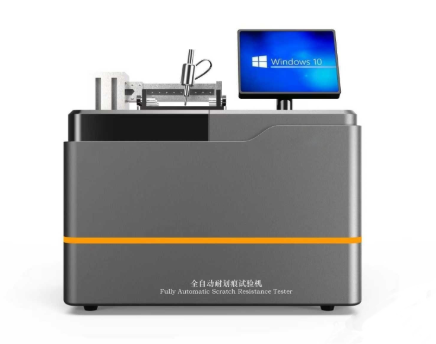
Scratch Resistance Test Machine
Category:Scratch Tester
Introduction
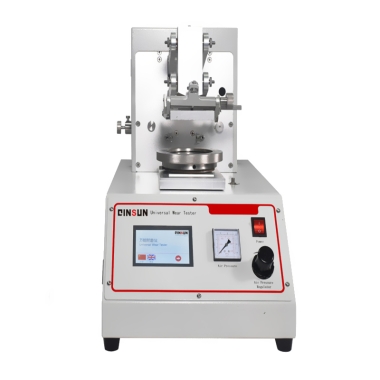
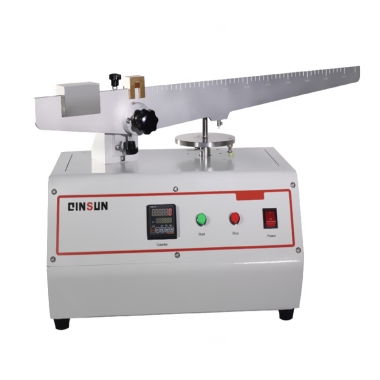
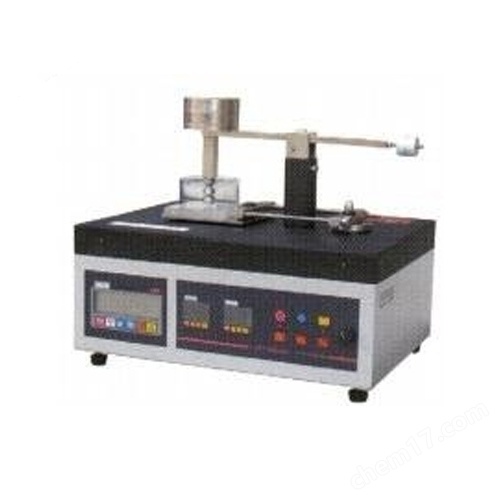
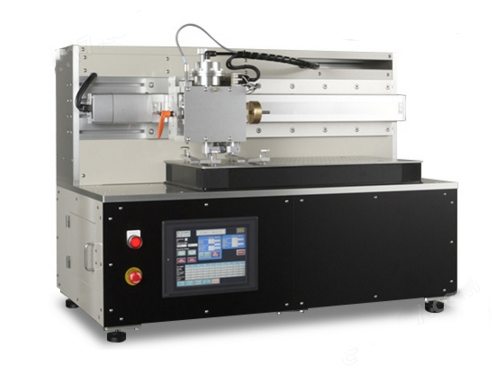
The Scratch Resistance Test Machine is a precision testing instrument designed to evaluate the scratch performance of rigid organic materials, coatings, adhesives, powder coatings, anodized materials, soft metals, plastics, and glass. It can also assess adhesive quality of protective coatings and the extreme performance of similar materials. The machine uses a balanced beam, fixed and adjustable weights, and a sample loading disc to produce controlled arcuate scratches on the test surface, providing accurate, repeatable, and quantifiable data for material development and quality control.
Application
The Scratch Resistance Test Machine is suitable for a wide range of materials and testing scenarios:
Evaluation of rigid organic materials, plastics, glass, and metals for scratch resistance
Testing coatings, adhesives, and powder coatings for durability and adhesion quality
Assessment of furniture surfaces, countertops, and high-pressure laminates
Comparative studies of protective coatings or similar materials under controlled loading
Specific testing product: Scratch Resistance Test Machine
Standards
The instrument is designed to comply with major international and national standards:
GB/T 17657‑2022 – Test methods for performance of wood-based panels and surface finishes
GB 4943.1 – Information technology equipment – Safety, Part 1: General requirements (Clause 2.10.6.6)
GB 4706.1 – Household and similar electrical appliances – Safety, Part 1: General requirements (Clause 21.2)
AS/NZS 2924.2 – Kitchen countertops and surface materials, Part 2: Abrasion and scratch resistance
ASTM C217 – Test method for abrasion resistance of ceramic glazed tiles
BS EN 438‑2 – High-pressure laminates (HPL) – Physical and mechanical properties, Part 2: Test methods
BS EN 13310 – Kitchen countertops and surface materials – Performance requirements
BS EN 14323 – Furniture surface scratch resistance, wear resistance, and chemical durability testing
DIN 68861‑4 – Furniture surfaces – Mechanical properties, Part 4: Scratch resistance
DIN 53799 – Plastics – Determination of hardness (scratch/indentation method)
Parameters
| Item | Details |
|---|---|
| Control System | PLC + Windows system |
| Operation Interface | 12-inch color industrial computer, embedded, Chinese/English switchable |
| Printing Function | WiFi connection to printer |
| Drive | Stepper motor with gearbox |
| Force Weights | Standard: 5N, 6N, 7N, 8N, 10N (other specifications optional) |
| Test Speed | Factory preset 5 r/min, adjustable 0–60 r/min |
| Scratch Spacing | Adjustable |
| Sample Size | 100 × 100 mm, center hole 6.5 mm |
| Scratch Tip | Standard diamond needle, optional 4.8R or 2.5R |
| Speed Display | Adjustable on industrial computer |
| Machine Dimensions | 550 × 310 × 520 mm |
| Power Requirement | 220V, 60A |
Features
Balanced Beam Design: Ensures consistent load application and controlled scratch formation.
Adjustable Weights: Allows precise control of vertical load on samples.
Arcuate Scratch Generation: Rotating sample disc creates reproducible arc-shaped scratches.
Embedded Industrial Computer: Provides intuitive control and real-time monitoring of speed, spacing, and force.
Customizable Scratch Tips: Standard diamond needle with optional radii to match material hardness.
Wide Material Compatibility: Supports rigid organics, metals, plastics, glass, coatings, and adhesives.
Precision Testing: Capable of evaluating extreme performance and adhesion quality of coatings.
WiFi Printing: Direct output of test results for documentation.
Accessories
Standard and optional diamond scratch tips
Set of force weights (5–10 N standard, others optional)
Sample loading discs
Calibration tools
Embedded industrial computer with WiFi printer interface
FAQ
1. What is the core advantage of this product?
The machine provides controlled, reproducible arcuate scratches on a wide range of materials, allowing precise evaluation of scratch resistance and adhesive performance.
2. Are the test results reliable?
Yes. The combination of a balanced beam, adjustable weights, and an industrial computer ensures accurate and repeatable measurements.
3. Which international or industry standards does it comply with?
GB/T 17657‑2022. GB 4943.1. GB 4706.1. AS/NZS 2924.2. ASTM C217. BS EN 438‑2. BS EN 13310. BS EN 14323. DIN 68861‑4. DIN 53799.
4. Why is this product important?
It enables manufacturers and R&D labs to quantify surface durability and adhesive quality, supporting material development and quality control.
5. Which industries or applications is it suitable for?
Furniture manufacturing, countertop and surface material production, plastics and coatings R&D, automotive interior/exterior materials, and glass or metal component testing.