Seat Thermal Manikin
Category:Manikin System
Introduction
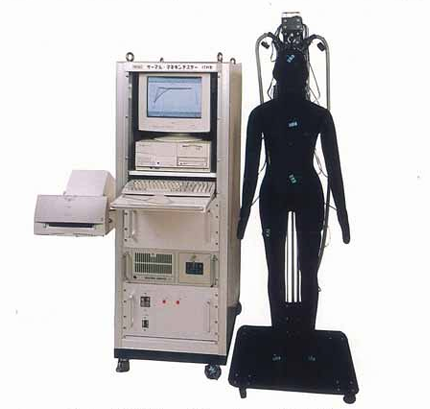
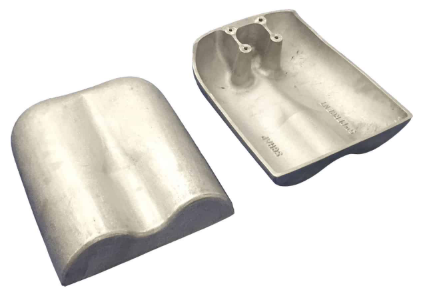
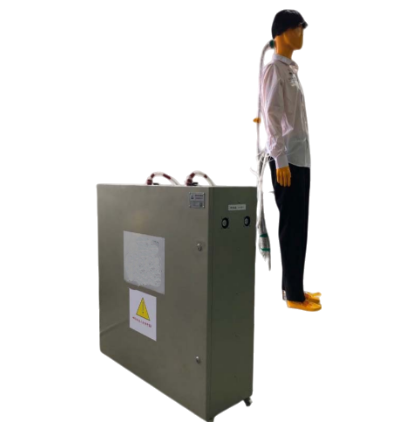
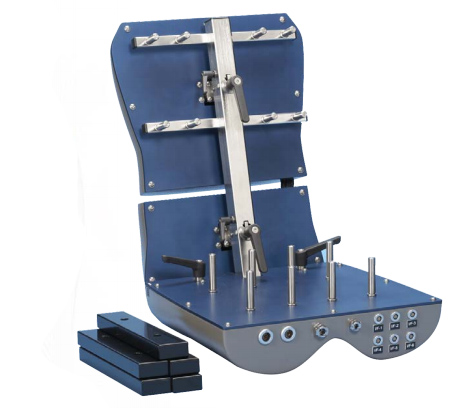
The Seat Thermal Manikin is designed to evaluate thermal comfort and humidity management performance of automotive, truck, office, and aircraft seats. Developed based on the SAE J826 HPM-II anthropomorphic model, it is compatible with existing automotive seat H-point measurement methods. For passive seats, it precisely measures heat and moisture exchange. For heated or ventilated seats, it evaluates actual energy transfer rather than surface temperature alone, while accounting for realistic sweat levels, ensuring accurate measurement.
Application
Automotive seat thermal comfort and humidity management testing
Truck seat heat performance evaluation
Office chair long-term comfort and heat dissipation testing
Aircraft seat thermal comfort and cooling/ventilation performance assessment
Heated seat performance testing
Seat material thermal conductivity verification
Automotive seat design and ergonomic research
Passenger environment thermal comfort optimization and HVAC system evaluation
Standards
GB/T 18830-2009: Test methods for automotive seat and backrest thermal comfort
SAE J826: Human engineering H-point measurement standard
ISO 14505-2: Seat thermal comfort testing — Thermal manikin method
ISO 12894: Anthropometry and application of human models
ISO 9920: Clothing, personal protective equipment, and seat thermal comfort assessment
ASTM F1291: Standard method for evaluating thermal comfort using thermal manikins
ASTM F2370: Measurement of seat heat/cooling energy and humidity transfer
EN 12127: Automotive seat heat flux and pressure distribution measurement
Note: Some standards apply to overall seat thermal comfort evaluation, while others relate specifically to heat flux, humidity, or heated/ventilated seat energy transfer.
Product Specifications
| Category | Parameter | Technical Specification |
|---|---|---|
| Manikin Type | 50th percentile adult male, Back + Buttocks/Thighs | Based on SAE J826 HPM-II |
| Thermal Zones | 8 independently controlled zones | Each zone with temperature control protection |
| Shell Material | Heat-conductive carbon fiber | Embedded heating wires and sensors |
| Temperature Control Range | 10–40°C | ±0.1°C accuracy |
| Max Power Output | — | 1500 W/m² |
| Sweat Output Range | — | 0–1000 ml/hr/m² |
| Continuous Heat Dissipation | — | 350 W/m² |
| Power Accuracy | — | ±1% |
| Humidity Measurement Accuracy | — | ±3% RH |
| Power Supply | — | 208–265 VAC, 50/60Hz, Single Phase |
| Cooling Water | — | Temp-controlled chiller, 30°C, 500 W, 2 L/min, 15 PSI |
| Weight | — | Approx. 120 kg (without water cooling system) |
| Dimensions | — | 1189 × 575 × 856 mm |
Features
Eight independent thermal zones with protected temperature control for precise heat distribution
Active cooling simulating human blood flow prevents local overheating during heated seat tests
Dynamic Heat Flow Sensors (DHS) measure instantaneous energy exchange between seat and skin
Computer-controlled liquid delivery system distributes sweat per zone
Highly stable resistive heating ensures uniform heat flux
Software-controlled real-time monitoring, automatic testing, and flexible data recording
Pre-set thermal differential tests allow quick evaluation
Comprehensive evaluation for passive, heated, and ventilated seats
High-accuracy measurement of humidity and heat flux suitable for R&D and quality control
Accessories
| Item | Quantity | Description |
|---|---|---|
| Thermal Manikin | 1 set | Includes heating wires and sensors |
| Control Electronics | 1 set | Control board and interface |
| Environmental Temperature Sensors | 2 | For seat and ambient monitoring |
| Humidity Sensor | 1 | Measures ambient and seat humidity |
| Power & Control Cables | Multiple | Connect manikin to control system |
| Software | 1 set | Control, record, and analysis |
| Cooling Water System | 1 set | Temp-controlled chiller, 2 L/min, 15 PSI |
| Spare Heating Wires & Sensors | Multiple | Recommended for instrument maintenance |
Testing Principle
The Seat Thermal Manikin simulates human heat and sweat secretion through eight independent thermal zones and skin analog systems. DHS sensors directly measure instantaneous energy exchange between the seat surface and the manikin skin. For heated or ventilated seats, active cooling prevents local overheating, ensuring reliable and accurate measurements. Software calculates thermal comfort indices and energy transfer efficiency using combined heat flux, temperature, and humidity data.
FAQ
1. What is this product?
The Seat Thermal Manikin is a full-scale anthropomorphic model used to measure thermal comfort, heat flux, and humidity exchange in automotive, truck, office, and aircraft seats.
2. What is this product used for?
It evaluates passive, heated, and ventilated seat performance, supporting R&D, quality control, and ergonomic studies by providing precise, standardized, and reproducible measurements of thermal comfort.
3. Why is this product important?
It enables accurate, repeatable testing of heat and moisture transfer under real-world conditions, accounting for sweat levels and energy flow rather than surface temperature alone. This ensures valid data for seat design, HVAC optimization, and regulatory compliance.
4. What industries is this product suitable for?
Automotive and truck manufacturers
Aircraft seat designers
Office furniture producers
HVAC and thermal comfort research labs
Certification and test laboratories
5. What types of this product are available?
Passive thermal manikin for standard seats
Heated thermal manikin with active cooling
Ventilated seat thermal manikin with airflow, heat, and sweat measurement
Full system including software, cooling, and sensors for automated, multi-zone testing