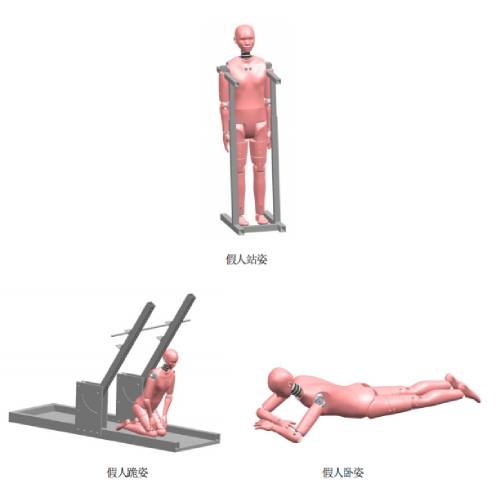
Simulation Test Dummy
Category:Manikin System
Introduction
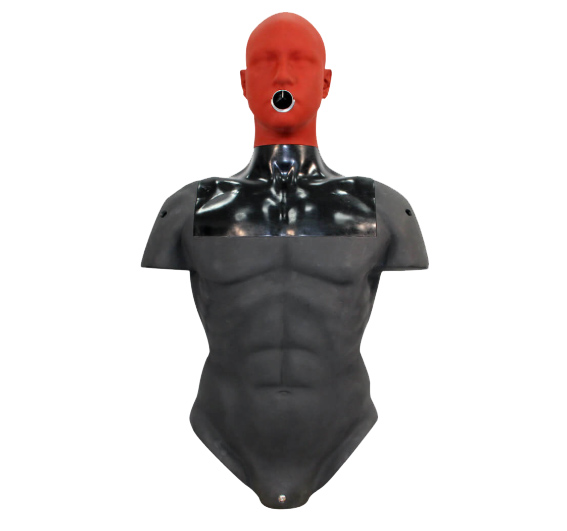
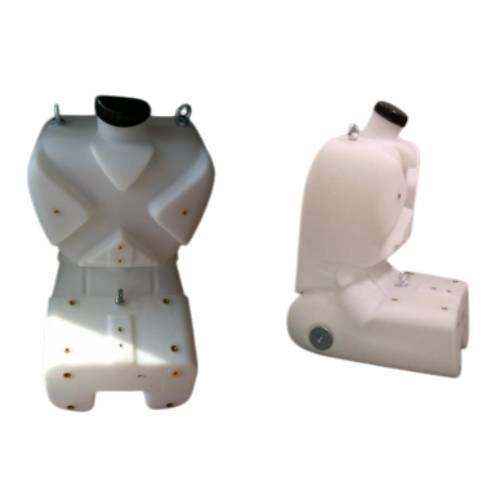
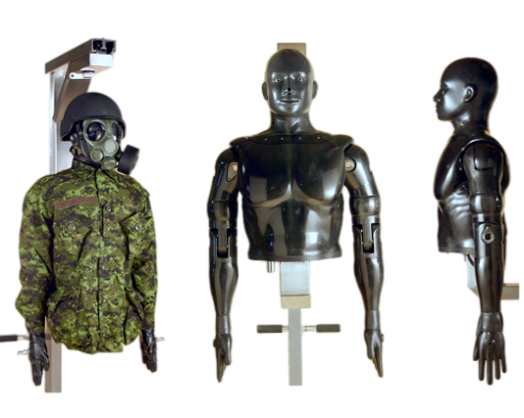
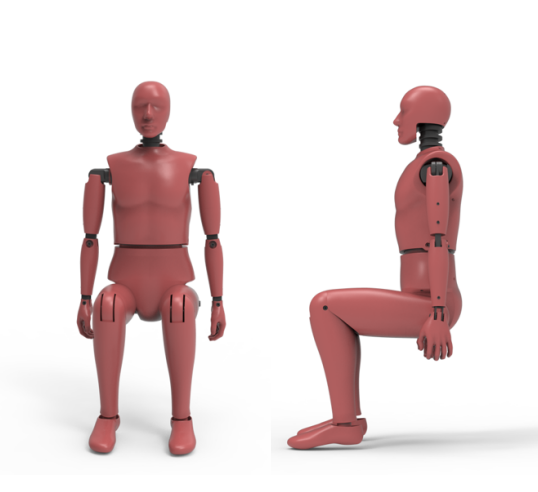
The Simulation Test Dummy is a high-fidelity anthropomorphic test device (ATD) specifically engineered to replicate the physical characteristics and biomechanical responses of the human body. Designed based on the 50th percentile standing male profile (Chinese body features), this dummy provides you with a reliable surrogate for evaluating equipment interaction, safety, and ergonomics. By combining a rigid metal “skeletal” core with advanced polymer “soft tissues,” the system allows you to simulate realistic human presence in high-risk or repetitive testing environments where human participation is not feasible.
Applications
You can utilize this Simulation Test Dummy across various defense and industrial sectors to ensure equipment compatibility and personnel safety:
Vehicle Occupant Testing: Evaluating seat ergonomics, cabin space constraints, and safety belt positioning in military or specialized vehicles.
Load-Bearing Assessments: Testing the weight distribution and comfort of tactical vests, rucksacks, and individual combat equipment.
Impact & Blast Simulation: Assessing the protective capabilities of body armor and helmets against kinetic energy and pressure waves.
Parachute & Ejection Testing: Simulating human posture and aerodynamic drag during rapid descent or emergency egress maneuvers.
Ergonomic Design: Helping you optimize the layout of control panels, cockpit seating, and workspace heights based on standardized Chinese anthropometric data.
Standards
GJB9872-2020: Human Body Data for Army Equipment
Parameters
| Component | Details / Material Type |
| Anthropometric Basis | 50th Percentile Chinese Male (Standing) |
| Standard Height | 1699 mm |
| Total Weight | 62.6 kg |
| Skeletal Structure | Aluminum alloy, Titanium alloy, and Alloy steel |
| Soft Tissue Simulation | Polyurethane (PU) and Foamed Polyurethane |
| Spine System | Vulcanized rubber and Aluminum alloy components |
| Joint Liners | Nylon or Polytetrafluoroethylene (PTFE) |
| Skin Material | High-elasticity, tear-resistant Polyurethane |
Features
1.Bio-accurate Skeletal Rigidity: The core skeleton is crafted from high-strength alloys (Aluminum and Titanium) to accurately simulate human bone stiffness while ensuring the dummy can withstand high-impact forces.
2.Realistic Soft Tissue Response: You will benefit from the foamed polyurethane “muscles” and solid PU “skin,” which provide human-like elasticity and tactile resistance during testing.
3.Biomechanical Spine Design: The neck and lumbar vertebrae utilize specialized vulcanized rubber to provide flexible yet resilient support, mimicking the damping and bending characteristics of the human spine.
4.Damped Articulation: The joints are equipped with PTFE or Nylon damping blocks, allowing you to adjust limb resistance to simulate various muscular states or passive movement.
5.Durability & Longevity: The outer skin is specifically engineered for high tear resistance, allowing for repeated use in friction-heavy or rugged testing environments without compromising integrity.
Accessories
(1) Standard Apparel Set: Tactical clothing or flight suits designed to fit the 1699mm frame.
(2) Sensor Mounting Brackets: Internal points for installing accelerometers or load cells.
(3) Joint Adjustment Toolkit: For fine-tuning the friction and damping of the limbs.
(4) Storage & Transport Crate: Protective housing for secure relocation and long-term storage.
(5) Calibration Weights: For verifying the total mass distribution (62.6kg).
Dimensions, Weight, and Center of Gravity Position of Simulation Test Dummies
1. GJB9872-2020 Standard Dummy Dimensions
Dimensions of the 50th percentile male simulation test dummy developed according to GJB9872-2020 “Human Body Data for Army Equipment” standard:
| No. | Location | Dimension (mm) |
|---|---|---|
| A | Head Breadth | 157 |
| B | Head Length | 184 |
| C | Head Height | 228 |
| E | Chest Circumference | 875 |
| F | Waist Circumference | 735 |
| G | Upper Arm Length | 314 |
| H | Hand Length | 187 |
| I | Upper Limb Length | 733 |
| J | Shoulder Height | 1374 |
| K | Navel Height | 974 |
| L | Perineum Height | 734 |
| M | Knee Height | 448 |
| N | Pupil Distance | 61 |
| O | Eye Height | 1580 |
| P | Chest Depth | 222 |
| Q | Stature | 1699 |
| R | Tragion Height | 1565 |
| S | Foot Length | 252 |
| T | Foot Breadth | 96 |
| U | Foot Height | 74 |
2. GJB9872-2020 Standard Dummy Weight:
Weight of the 50th percentile male simulation test dummy developed according to the GJB9872-2020 “Human Body Data for Army Equipment” standard:
| No. | Location | Mass (kg) |
|---|---|---|
| – | Total Body Weight | 62.6 |
| 1 | Head | 3.41 |
| 2 | Neck | 1.54 |
| 3 | Upper Body | 13.84 |
| 4 | Lower Body | 18.56 |
| 5 | Left Upper Arm | 1.61 |
| 6 | Right Upper Arm | 1.61 |
| 7 | Left Forearm | 1.37 |
| 8 | Right Forearm | 1.37 |
| 9 | Left Hand | 0.46 |
| 10 | Right Hand | 0.46 |
| 11 | Left Thigh | 4.82 |
| 12 | Right Thigh | 4.82 |
| 13 | Left Lower Leg | 3.45 |
| 14 | Right Lower Leg | 3.45 |
| 15 | Left Foot | 0.93 |
| 16 | Right Foot | 0.93 |
FAQ
1. Why is the 50th percentile Chinese male data (1699mm/62.6kg) used as the standard?
This represents the “median” body type of the Chinese military population. Using this specific data ensures that the equipment you develop will provide the best possible fit and performance for the majority of users in the target demographic.
2. Can this dummy be used for high-speed crash testing?
While this dummy features high-strength alloy bones, its primary design is based on GJB 9872 for anthropometric and ergonomic testing. For high-speed crash testing, you should ensure it is equipped with the necessary instrumentation (load cells/accelerometers) to measure biomechanical injury criteria.
3. Is the skin of the dummy replaceable if it gets damaged?
Yes. The polyurethane skin is designed to be tear-resistant, but in the event of severe damage during a blast or high-friction test, individual skin sections or the entire outer shell can be replaced.
4. How does the “bionic spine” behave under load?
The combination of vulcanized rubber and aluminum mimic the human vertebral discs and bone. It allows for realistic forward, backward, and lateral bending, providing you with accurate data on how a human’s posture might shift under heavy rucksack loads or G-forces.
5. Are the joints “free-moving” or can they hold a specific pose?
The joints feature adjustable damping. You can tighten the PTFE/Nylon blocks to hold a specific pose (static ergonomics) or loosen them to simulate a passive, unconscious state (impact or rescue simulation).