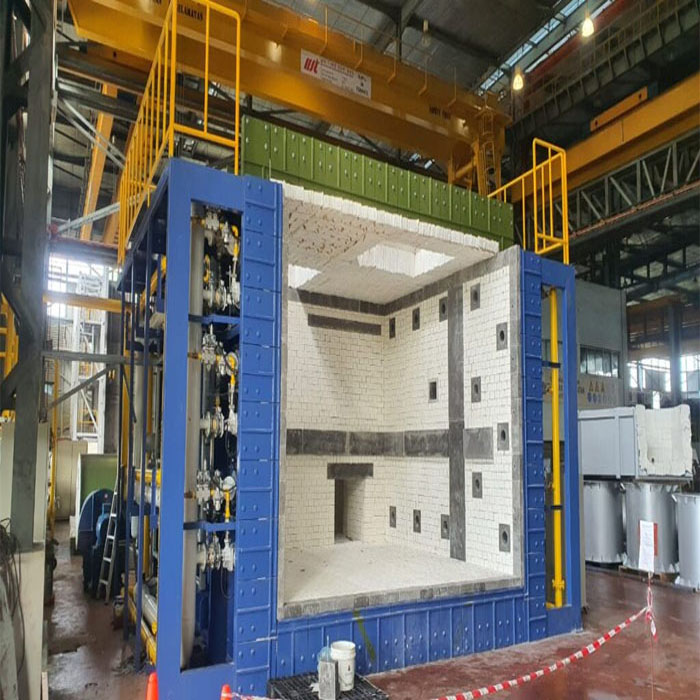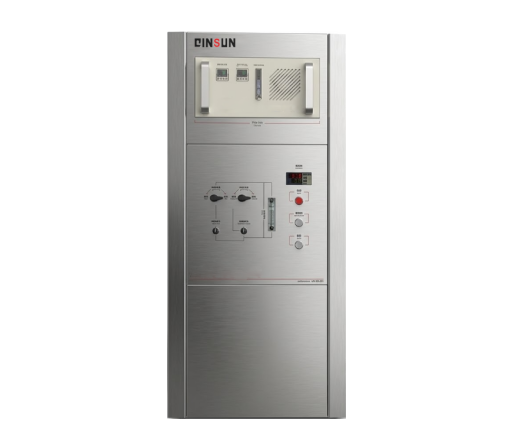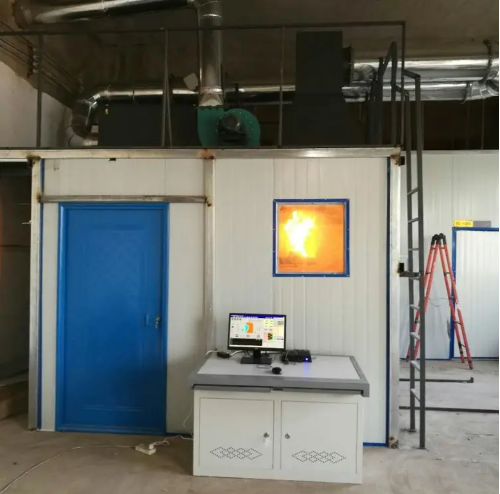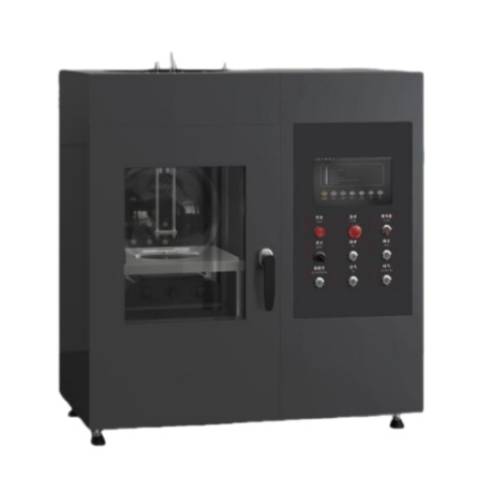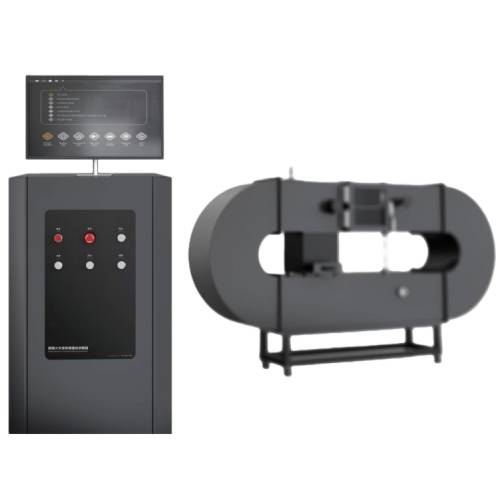
Smoke Fire Detector Threshold Test Chamber
Category:Material Combustion Tester

Introduction
The GB 4715 Smoke Fire Detector Threshold Test Chamber is a precision testing system designed for conducting threshold verification of point-type smoke fire detectors according to GB 4715-2005 standards. The chamber enables comprehensive testing including threshold, repeatability, orientation, and airflow evaluations. It is suitable for industrial and residential smoke detector testing and production, ensuring full compliance with national alarm performance requirements.
Application
The Smoke Fire Detector Threshold Test Chamber is suitable for:
Threshold verification of point-type smoke fire detectors.
Repeatability, orientation, and airflow testing in laboratory or production environments.
Industrial and residential smoke detector production quality control.
Specific Testing Equipment:
Point-type smoke detectors for home and industrial use
Alarm system components requiring threshold and response validation
Production testing lines for smoke detector quality assurance
Standards
The system conforms to the following national and international standards:
GB 4715-2005 – Technical Requirements and Test Methods for Point-Type Smoke Fire Detectors (China)
ISO 7240-7 – Fire Detection and Alarm Systems, Part 7: Smoke Detectors Using Scattered, Transmitted Light, or Ionization
EN 54-7 – Fire Detection and Fire Alarm Systems, Smoke Detectors
UL 268 – Standard for Smoke Detectors for Fire Protective Signaling Systems
EN54-7
EN54-29
EN14604
EN54-5
Parameters
| Unit | Specification |
|---|---|
| Temperature Range | 0–55 °C, adjustable via heating rods |
| Variable Frequency Fan | Supply voltage: 220 V; Max. static pressure: 330 Pa; Adjustable air volume: 0–275 m³/h |
| Airflow Requirement | 0.2 m/s |
| Optical Density Meter | Wavelength: 880–950 nm |
| Omega K-Type Sheathed Thermocouple | Diameter: 1.5 mm; Temperature measurement range: 0–1100 °C |
Features
Steel structure chamber with anti-rust spray finish.
Observation glass on the chamber for visual monitoring of smoke distribution.
Independent control box for flexible laboratory layout.
Fan connected with soft couplings to reduce vibration impact on test data.
Equipped with an ion concentration meter to test the response threshold of ionization detectors.
Flash device included to simulate environmental lighting conditions.
Siemens dedicated temperature module for stable and reliable temperature data acquisition.
Imported Omega thermocouple with compensation wiring reduces temperature measurement deviations.
Programmable logic controller (PLC) enables system function control, paired with dedicated data acquisition modules.
Real-time data acquisition ensures stability and reliability.
Electrical components from reputable industry brands, controlled via industrial PC with dedicated software for real-time recording, storage, and visualization of test data.
Accessories
Observation glass
Variable frequency fan assembly
Heating rod modules
Optical density meter
Ion concentration meter
Flash simulation device
Omega K-type thermocouple and compensation wiring
Siemens temperature acquisition module
PLC controller with data acquisition modules
Industrial PC and dedicated software
Maintenance Information
Inspect heating rods and replace if temperature control is unstable.
Regularly clean or replace optical density meters and ion concentration sensors to maintain accuracy.
Check fan soft coupling connections to prevent vibration-related errors.
Verify thermocouple calibration periodically to reduce measurement deviations.
Ensure PLC, data acquisition modules, and industrial PC function correctly; perform software updates as required.
Clean observation glass to maintain clear visibility during tests.
FAQ
What types of tests can be performed in the GB 4715 Smoke Fire Detector Threshold Test Chamber?
The chamber allows threshold, repeatability, orientation, and airflow tests of point-type smoke fire detectors, ensuring full compliance with GB 4715-2005 requirements. Ionization detectors can be tested for response thresholds, and flash devices simulate varying environmental light conditions.
How is airflow controlled in the test chamber?
Airflow is managed using a variable frequency fan capable of 0–275 m³/h and 0.2 m/s airflow. Soft couplings reduce vibration effects on test accuracy. This precise control ensures reliable smoke dispersion and detector response measurements.
How is temperature maintained and monitored?
The chamber temperature is controlled via heating rods and measured with an Omega K-type thermocouple and Siemens dedicated temperature module. Temperature can be precisely adjusted within 0–55 °C, and the system provides real-time data for stable and accurate monitoring.
How is data recorded and analyzed?
An industrial PC with dedicated software, paired with PLC control and data acquisition modules, captures all test data in real time. This setup ensures accurate recording of smoke density, detector response, ion concentration, and temperature for analysis and compliance verification.
If you're ready to take the next step, Leave your message below and we’ll reply soon. 20+ years of manufacturing & export experience, a partner you can trust.