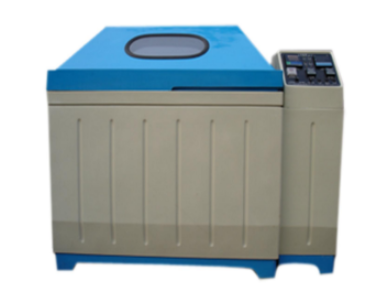
SO2 H2S HCL Corrosion Test Chamber
Category:Other Aging Machines

Introduction
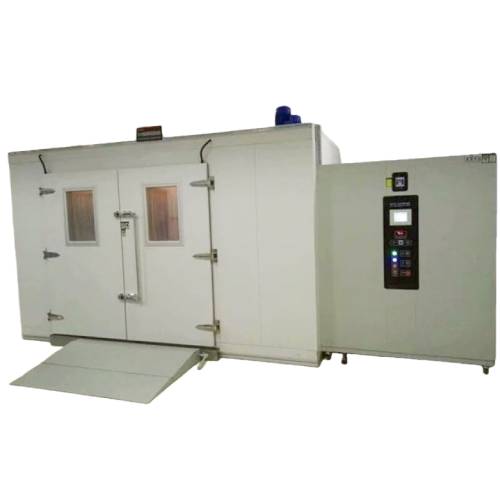
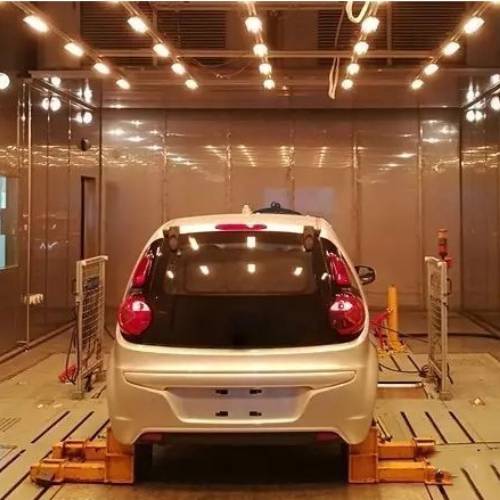
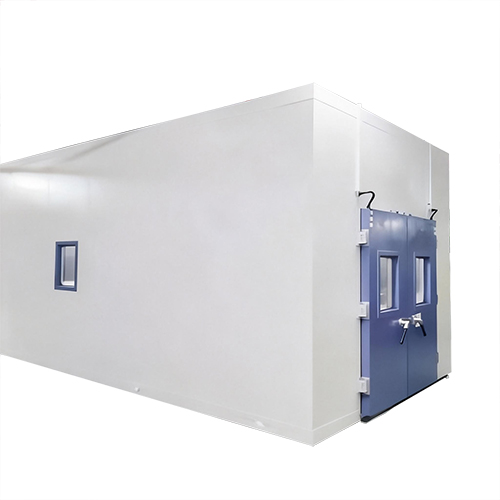
The SO₂ H₂S HCl Corrosion Test Chamber is designed to simulate corrosive environments using noxious gases such as sulfur dioxide (SO₂), hydrogen sulfide (H₂S), and hydrogen chloride (HCl). You can use this chamber to evaluate the corrosion resistance of materials, components, and assemblies under controlled temperature, humidity, and gas concentration conditions, ensuring product durability and compliance with international standards.
Standards:
Carry out various sulfur dioxide gas corrosion tests in accordance with GB10587 – 89. GB2423.9 – 93. GJB150. QC/T417.1 – 2001 and equivalent standards such as IEC, DIN, MIL, ASTM.
IEC 60068-2-42
Environmental Requirements:
1. Power supply: AC380V 3Φ 10KVA 0HZ 2. Allowable voltage range: ±5% of the rated value 3. Maximum load: 6KVA 4. The distance between the chamber and the wall should be greater than 600cm.
Description:
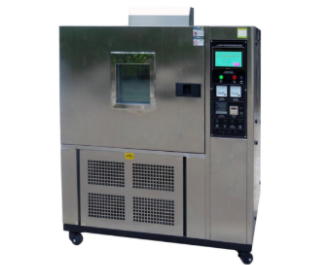
Stainless Steel Noxious Gas Corrosion SO2 H2S CO2 HCL Artificial Climate Chamber:
SO2 HCL H2S Noxious Gas Corrosion Environmental Test Chamber reproduce damages by temperature, relative humidity and noxious gas Corrosion to material, components and constructions.
SO2 HCL H2S Noxious Gas Corrosion Environmental Test Chamber can be used to test t SO2. H2S.
SO2 HCL H2S Noxious Gas Corrosion Environmental Test Chamber can be used for single gas tests.
SO2 HCL H2S Noxious Gas Corrosion Environmental Test Chamber are ranging in size from 100Ltier to 1000Liter.
Features:
1. The chamber is molded from epoxy fiberglass. Asbestos board is pasted inside the jacket. It is resistant to high temperature and corrosion, lightweight, and has high strength. Both the inner and outer walls of the chamber are smooth and easy to clean.
2. The chamber cover is made of epoxy fiberglass with a top cover temperature of 100 – 200°C to prevent condensed water in the chamber from dripping directly onto the test specimens.
3. Heater: The nickel – chromium alloy heating wire heats from the bottom, forming jacket heating to ensure good temperature uniformity inside the chamber.
4. Humidification method: Humidification by a steam generator.
5. Input methods for sulfur dioxide and hydrogen sulfide: Input from cylinders, and both input and discharge are quantitatively controlled by concentration sensors.
6. Exhaust gas treatment: Install treatment devices for sulfur dioxide and hydrogen sulfide gases. After multi – stage treatment with sodium bicarbonate, the exhaust gas meets the discharge standards (the purification device is external).
Control System:
1. Temperature control: Japanese Fuji temperature controller
2. Temperature input: PT100; Output: Driven by SSR
3. Display range: 0 – 100°C
4. Control range: RT + 5 – 55°C
5. Cycle used (measurement filtering): 2 – 3s
6. The main control components are products from joint – venture companies.
7. The temperature is controlled by a solid – state relay, with stable performance and no noise.
8. A fan is used for stirring and circulation inside the chamber.
9. Display and control of sulfur dioxide concentration
Technical Parameters:
1. Temperature range: 10 – 55°C
2. Temperature fluctuation: ±0.5°C
3. Temperature uniformity: ±2°C
4. Sulfur dioxide gas concentration: 100ppb – 50000ppb (0.1ppm – 50ppm)
5. Hydrogen sulfide gas concentration: 10ppb – 5000ppb (0.01ppm – 5ppm)
6. Relative humidity: 75±3%
7. Tests with sulfur dioxide, hydrogen sulfide, and mixed gases of sulfur dioxide and hydrogen sulfide can be conducted.
Maintenance Information
(1) Regularly inspect gas pipelines and seals for leakage.
(2) Maintain and replace gas purification materials as required.
(3) Clean the chamber interior after testing to prevent residue buildup.
(4) Calibrate temperature, humidity, and gas sensors periodically.
(5) Ensure proper ventilation and safe operation during use.
FAQ
(1) What is this product?
It is a corrosion test chamber that uses harmful gases to simulate environmental corrosion conditions.
(2) What is this product used for?
You can evaluate the corrosion resistance of materials and components under controlled gas, temperature, and humidity conditions.
(3) What is the working principle of this product?
The chamber introduces controlled concentrations of corrosive gases while maintaining temperature and humidity to accelerate corrosion processes.
(4) Why is this product important?
It helps ensure product durability and reliability in harsh environments, reducing failure risks.
(5) Which industries is this product suitable for?
It is suitable for automotive, electronics, aerospace, material research, and testing laboratories.
If you're ready to take the next step, Leave your message below and we’ll reply soon. 20+ years of manufacturing & export experience, a partner you can trust.