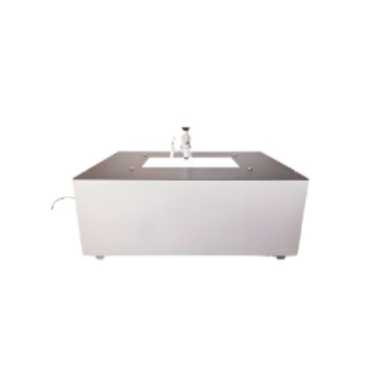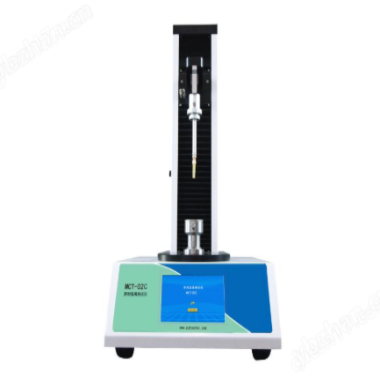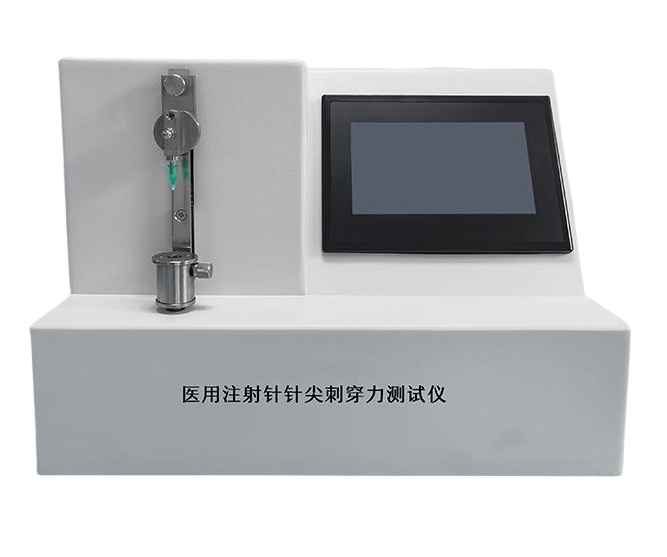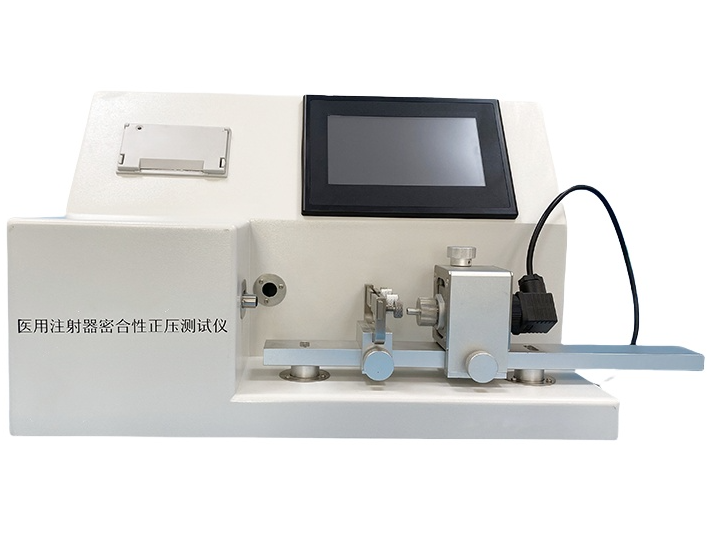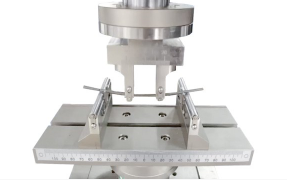
Spinal Internal Fixation System Component Testing Machine
Category:Medical Device Tester
Factory Direct
Stable Performance
Intl. Standards
Tech Support
Fast Delivery
Global Shipping

Introduction
The Spinal Internal Fixation System Component Testing Machine is a specialized mechanical testing device designed to evaluate the performance, durability, and safety of spinal implants, including rods, screws, plates, and interbody devices. It simulates physiological loads such as compression, torsion, bending, and cyclic fatigue that spinal implants experience in vivo. The machine provides critical data on mechanical strength, stiffness, deformation, and failure modes, helping manufacturers and researchers ensure that spinal fixation components meet clinical safety standards and perform reliably under long-term physiological conditions.
Standard
(1)YY/T 0119-2014 (China): Specifies mechanical testing protocols for spinal fixation components, including screws, plates, rods, and connectors.
(2)ASTM F2193-18 (International): Defines methodologies for evaluating the static and fatigue performance of spinal implant constructs.
(3)ISO 12189-1: Additional compliance for mechanical testing of spinal implant components under physiological loading.
Technical Parameters
| Parameter | Specification |
|---|---|
| Max. Axial Force | ±50.000 N (50 N resolution) |
| Max. Torsional Moment | ±25 Nm (0.1 Nm resolution) |
| Angular Range | ±20° (0.001° resolution) |
| Frequency Range | 0.1–15 Hz (0.01 Hz increments) |
| Load Ratio (R) | 0.1–10 (adjustable) |
| Temperature Control | -20°C to +50°C (PT1000 sensors) |
| Humidity Control | 10–95% RH (non-condensing) |
| Data Acquisition | 100 kHz sampling rate (16-bit resolution) |
| Power Requirements | 220V/110V ±10%, 50/60Hz, 3.500W |
| Dimensions (W×D×H) | 2.200 × 1.600 × 2.300 mm |
| Weight | 1.400 kg (including environmental chamber) |
| Noise Level | <65 dB (A-weighted) |
Maintenance Information
(1)Inspection: Regularly check fixtures, clamps, load cells, and sensors for wear, damage, or misalignment.
(2)Cleaning: Keep fixtures, moving parts, and the testing area free of debris, dust, or residue from test specimens.
(3)Calibration: Periodically calibrate load and displacement sensors to maintain measurement accuracy.
(4)Lubrication & Safety Checks: Lubricate moving parts as recommended and verify that all safety interlocks, emergency stops, and protective covers function correctly.
FAQ
1. What is the Spinal Internal Fixation System Component Testing Machine used for?
It tests the mechanical performance, durability, and safety of spinal implants, including screws, rods, and plates, under simulated physiological loads.
2. What types of loads can the machine apply?
The machine can apply compression, bending, torsion, and cyclic fatigue loads to mimic real spinal stresses.
3. How should test specimens be prepared?
Implant components must be inspected for defects, measured for correct dimensions, and properly mounted in the fixture before testing.
4. What data does the machine provide?
It records stiffness, deformation, cycles to failure, fracture points, and other mechanical properties to evaluate implant durability.
5. What maintenance is required for the machine?
Regular maintenance includes inspecting fixtures and sensors, cleaning the testing area, calibrating sensors, and checking safety interlocks and moving parts.
If you're ready to take the next step, Leave your message below and we'll reply soon. 20+ years of manufacturing & export experience, a partner you can trust.