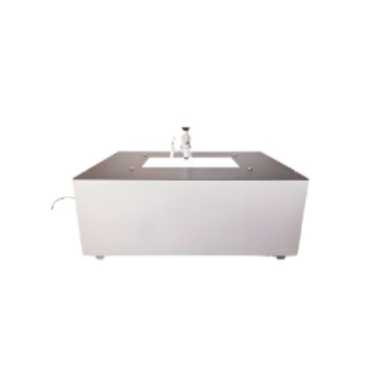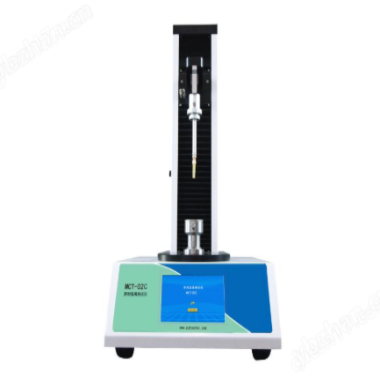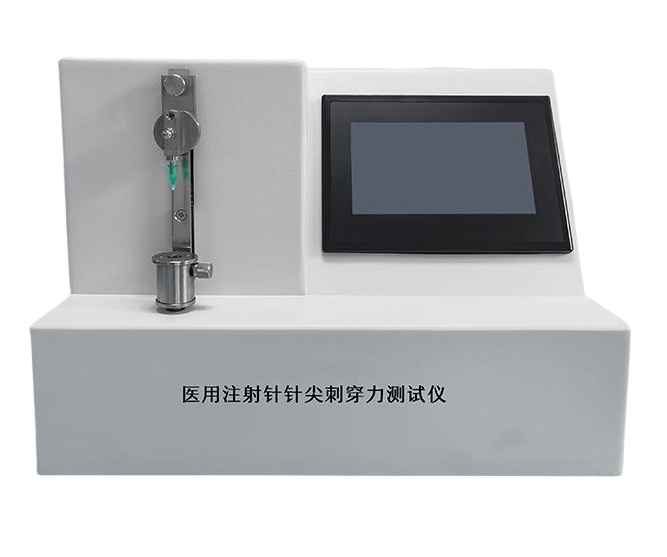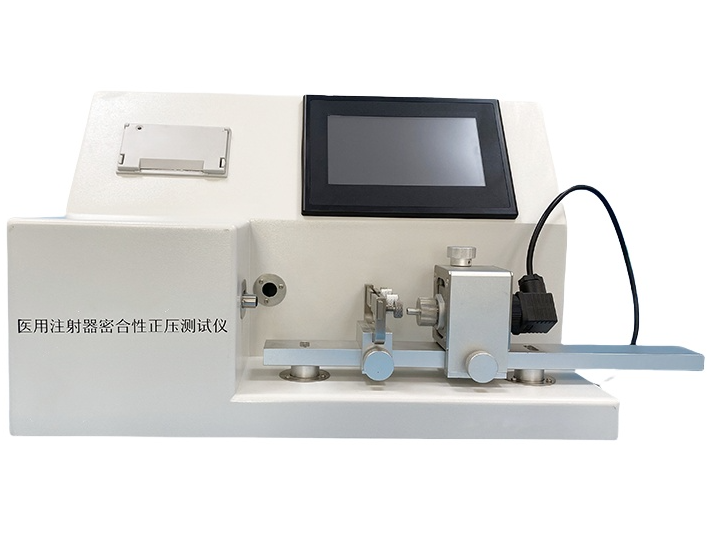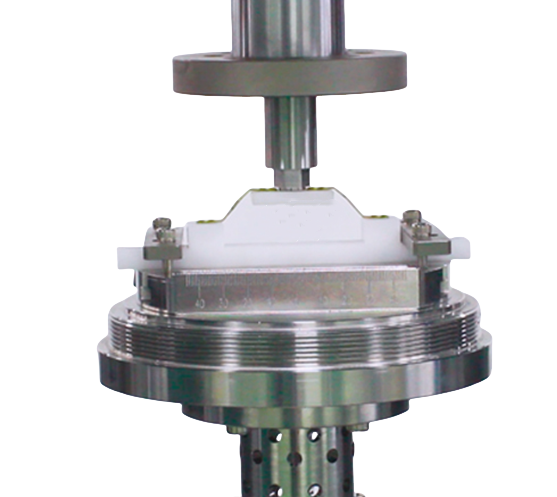
Spinous Process Fixation Plate System Fatigue Testing Machine
Category:Medical Device Tester
Factory Direct
Stable Performance
Intl. Standards
Tech Support
Fast Delivery
Global Shipping

Introduction
The Spinous Process Fixation Plate System Fatigue Testing Machine is a specialized device used to evaluate the fatigue performance of spinal fixation systems that use spinous process plates. It applies repeated mechanical loads, such as bending, compression, and torsion, to simulate physiological conditions and assess the durability, strength, and failure characteristics of the implant under long-term use.
Application
The spinous process fixation plate system is designed for lamina reconstruction following spinal canal decompression surgery. Based on the clinical use of spinous process fixation plates, a simplified mechanical model is proposed, establishing testing methods for the static compression-bending performance and compression fatigue performance of the plate system. These test methods provide guidance on loading types and methods, principles for measuring displacement, determining yield load, and evaluating stiffness and strength.
The M Electromagnetic series equipment offers precise sinusoidal load control with stable peak values. It provides professional testing fixtures and accurate, effective test protocols (SOP), supporting mechanical performance analysis of implants.
Specifications
| Parameter | Specification |
|---|---|
| Maximum Load Peak | 4400 N |
| Dynamic Load Peak | 3000 N |
| Static Load Peak | 2100 N |
| Machine Accuracy Class | 0.5 |
| Load Measurement Range | 0.4%–100% F.S. |
| Load Measurement Accuracy | Better than ±0.2% of indicated value (within measurement range) |
| Maximum Fatigue Loading Frequency | 100 Hz |
| Axial Stroke | 30 mm |
| Displacement Resolution | 0.1 μm |
| Test Space (upper-lower fixture space) | 0–950 mm |
| Net Weight | Approx. 900 kg |
| Dimensions | Approx. 1000 × 700 × 1800 mm |
| Optional Environmental Accessories | Water bath, high-temperature, low-temperature, humidity environments |
| Applicable Testing Scenarios | Fatigue, fracture, and static tests for metals, polymers, composites; static and dynamic testing of surgical implants (trauma, joint, spine, dental); tensile fatigue tests for polymers; crack propagation tests for rubber |
| Optional Fixtures | Mechanical tensile, compression, bending fixtures; femoral stem fixtures; four-point bending fixtures; spinal rod/screw fixtures; tibial plateau fixtures; vertebral resection model compression/tension fixtures; dental implant fixtures |
Features
Next-generation fatigue testing system powered by a large electromagnetic motor.
Direct-drive electromagnetic motor ensures stable operation and high repeatability for precise force and displacement control.
Built-in electromagnetic actuators with low friction and high repeatability enable high system responsiveness and speed.
Capable of tension, compression, bending, shear, creep, and relaxation tests.
Meets modern material testing requirements for high precision, high frequency, stability, durability.
Features oil-free, seal-free, maintenance-free operation with long service life, high integration, easy installation, and small footprint.
Multiple fixtures and accessories are available for diverse testing needs.
Accessories
(1)Interchangeable clamps and fixtures for different plate and screw sizes.
(2)Load cells and displacement sensors for accurate fatigue measurement.
(3)Cyclic loading actuator and control unit for automated testing.
(4)Data acquisition and software for monitoring load, cycles, and displacement.
Maintenance Information
Regularly calibrate sensors and load cells to ensure accuracy.
Lubricate moving mechanical parts and check for wear.
Clean fixtures and mounting plates after each test to prevent debris buildup.
Inspect electrical connections and control units periodically for stable operation.
FAQ
1.What is the purpose of this machine?
It evaluates the fatigue strength and durability of spinous process fixation plate systems under cyclic loading conditions.
2.What types of implants can be tested?
The machine supports various spinous process plates and screw systems, including different sizes and materials.
3.How is the test performed?
The implant is mounted on a simulated bone or fixture, then subjected to controlled cyclic loads while monitoring deformation and fatigue life.
4.What data can be obtained from the test?
Load-displacement curves, number of cycles to failure, deformation trends, and potential failure points are recorded.
5.How do I maintain the equipment?
Regular calibration, lubrication of moving parts, cleaning of fixtures, and inspection of sensors and electrical connections are essential for accurate and safe operation.
If you're ready to take the next step, Leave your message below and we'll reply soon. 20+ years of manufacturing & export experience, a partner you can trust.