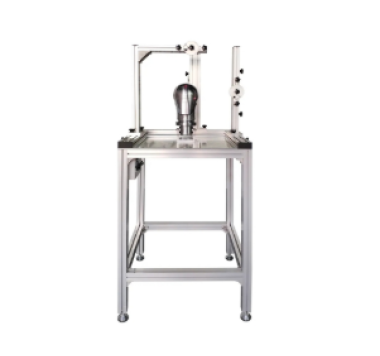
Standard Helmet Visual Field Tester
Category:Universal Strength Tester
Factory Direct
Stable Performance
Intl. Standards
Tech Support
Fast Delivery
Global Shipping

Introduction
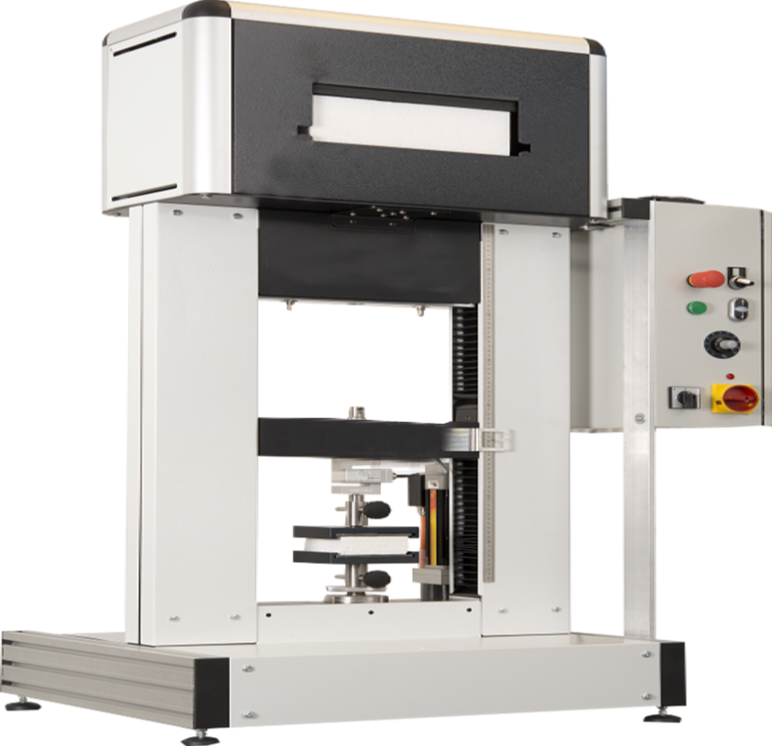
The Standard Helmet Visual Field Tester is a precision instrument designed to evaluate the peripheral vision and visor obstruction of safety helmets. It provides accurate angular measurements for upper, lower, and lateral fields of view, ensuring compliance with international helmet safety standards. This tester supports ergonomic and repeatable testing of various helmet types, including cycling, industrial, and sports helmets.
Application
The tester is suitable for a wide range of helmet evaluation scenarios, including:
(1) Testing peripheral vision of adult cycling helmets (road and mountain bikes)
(2) Assessing visor obstruction in skateboarding and roller skating helmets
(3) Verification of industrial safety helmets used in construction and manufacturing
(4) Quality control for helmet manufacturers during production
(5) Research and development of new helmet designs with customized visor geometries
Standards
The equipment complies with international and regional safety standards:
(1) EN 1078:2023 – Helmets for Pedal Cyclists, Skateboarders, and Roller Skaters
(2) ASTM F1446 – Standard Test Method for Helmets (equivalent compliance)
(3) CE Certification (Conformité Européenne)
(4) ISO 17025 – General requirements for the competence of testing and calibration laboratories
Parameters
| Parameter | Specification |
|---|---|
| Field of View | Upper ≥25°, Lower ≥45°, Lateral ≥105° |
| Angular Accuracy | ±0.5° (ISO 17025 traceable) |
| Measurement Range | 0–360° (horizontal/vertical) |
| Head Model | Quick-swap anthropomorphic mandible |
| Power Supply | 220V AC, 50/60Hz (single-phase) |
| Dimensions | 800mm (W) × 600mm (D) × 1,500mm (H) |
| Weight | 120 kg (net) |
Features
(1)High-Precision Angular Measurement: Motorized goniometer with 0.01° resolution for accurate field-of-view assessment.
(2)Comprehensive Rotational Testing: 360° rotational stage evaluates visor obstruction from all angles.
(3)Adaptive Leveling: Auto-leveling system compensates for helmet tilt during testing.
(4)User-Friendly Operation: 7” touchscreen HMI with preloaded EN 1078 sequences and pass/fail indicators.
(5)Quick-Swap Modular Head: Rapid replacement of headforms for adult, child, or custom helmets (50–65 cm circumference).
(6)Data Integrity: Built-in data logger exports results in PDF/CSV formats, SD card storage for long-term archives.
(7)Durable Construction: Aircraft-grade aluminum frame and anti-scratch visor protection withstand 5,000+ test cycles.
(8)Self-Calibrating System: Auto-tare and angular alignment checks ensure measurement reliability.
Corrosion-Resistant Frame: 304 stainless steel with epoxy coating for laboratory durability.
Accessories
(1) Testing Kit: 2x adult-size head forms (56cm/58cm circumference), 5x calibration grade angular encoders
(2) Software Suite: License key for VisorTest Pro (Windows/macOS), 1-year free access to cloud-based vision analysis tools
(3) Calibration & Safety: NIST-traceable inclinometer, 2x safety glasses (EN 166 rated)
(4) Maintenance Kit: Spare drive belts and bearings, machine cleaning solution (non-corrosive)
(5) Documentation: Multilingual quick-start guide (printed + digital), compliance certificates for EN/ISO standards
Maintenance Information
Regularly clean the goniometer and headform surfaces to remove dust and debris.
Inspect and replace drive belts and bearings periodically to ensure smooth operation.
Verify angular encoder calibration at least once every 6 months using NIST-traceable instruments.
Store the machine in a dry environment to prevent corrosion of aluminum and steel components.
Follow standard electrical safety protocols when connecting power supply.
FAQ
1. What is a Standard Helmet Visual Field Tester?
This device is used to evaluate the wearer’s field of vision when wearing a helmet, ensuring that the helmet design does not obstruct peripheral or direct sight and meets safety standards.
2. How does the visual field test work?
The helmet is mounted on a headform or worn by a test subject, and visual field measurement tools or optical sensors map the visible area in all directions. Obstructions caused by the helmet are quantified.
3. What types of helmets can be tested?
It can test industrial safety helmets, construction helmets, bicycle helmets, motorcycle helmets, and other protective headgear that requires adequate visual clearance.
4. What parameters are measured during testing?
The tester measures horizontal and vertical field of view, blind spots, obstruction angles, and visibility limitations. Some systems provide digital mapping and visual field diagrams.
5. Why is helmet visual field testing important?
Testing ensures that helmets do not compromise wearer safety by restricting vision, allowing users to detect hazards and operate safely. Compliance with standards such as EN 397. ANSI Z89.1. or ISO is verified.
If you're ready to take the next step, Leave your message below and we'll reply soon. 20+ years of manufacturing & export experience, a partner you can trust.