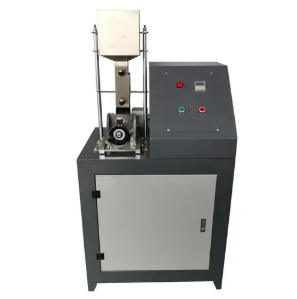
Steel Wheel Wear Testing Machine
Category:Abrasion Tester

Introduction
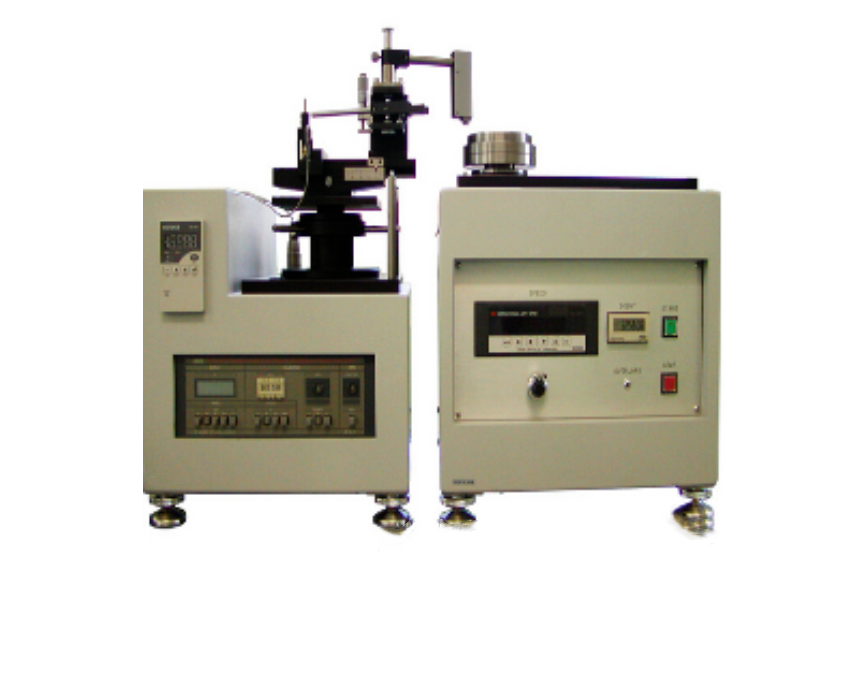
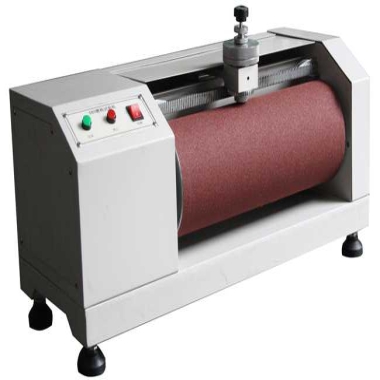
The cycloidal pinwheel reducer has the advantages of large reduction ratio, compact structure, smooth transmission and adjustable abrasive flow rate, which can effectively save the amount of abrasive. The testing machine through the gear drive deceleration to steel wheel speed 75r/min, gear drive compared with the belt drive deceleration, smooth, no skid phenomenon, steel wheel rotation by the time relay control, the motor to the predetermined time is also transferred to the test requirements of the speed
The motor stops automatically. The testing machine has the characteristics of reasonable design, simple structure, beautiful appearance, easy operation, smooth rotation, automatic shutdown to meet the test requirements, etc., which is mainly suitable for wear resistance test of cement bricks.
Application
The steel wheel wear testing machine is widely used in materials science and engineering to evaluate the wear characteristics of various materials. It simulates the wear process of materials in actual use by applying friction from a steel wheel under fixed testing conditions. This method effectively simulates the actual performance of materials under friction and wear conditions.
Standard
(1)GB/T3810.7-2016: Test methods of ceramic tiles—Part 7: Determination of resistance to surface abrasion for glazed tiles
(2)ISO/DIS10545/6-94 : Ceramic tiles – Determination of resistance to deep abrasion for unglazed tiles (ISO/DIS 10545-6:1994)
(3)GB/T12988-1009: Test method for abrasion resistance of inorganic paving materials
(4)EN 932-5: Tests for general properties of aggregates – Common equipment and calibration
(5)ISO3310-2: Test sieves – Technical requirements and testing – Part 2: Test sieves of perforated metal plate
(6)ASTM E11: Standard Specification for Woven Wire Test Sieve Cloth and Test Sieves
(7)BS 410-1: Test sieves – Part 1: Wire cloth test sieves
(8)BS 410-2: Test sieves – Part 2: Perforated metal plate test sieves
Parameters
| Description | Details |
|---|---|
| Grinding wheel 1 – Diameter | 200 ± 0.2mm |
| Grinding wheel 1 – Thickness | 10 ± 0.1mm |
| Grinding wheel 2 – Diameter | 200 ± 0.2mm |
| Grinding wheel 2 – Thickness | 70 ± 0.1mm |
| Grinding wheel 2 – Hardness | HB203 – 245 |
| Grinding wheel speed | 75 ± 4r/min (constant) |
| Sample size | 100mm x 110mm |
| Abrasive – Size | ISO8486 – 1986 F80 white fused alumina |
| Abrasive feed speed | (100 ± 10)g/100r (adjustable flow rate) |
| Hopper volume | Greater than 5L |
| Test time | Preset, digital display |
| Weight 1 (for GB/T3810.7 – 2006) | 2.5kg |
| Weight 2 (for GB/T12988 – 91) | 14kg (assuming “14k” is a typo and should be “14kg”) |
| Overall dimensions | 6000 x 580 x 130mm |
| Estimated Total Weight | About 150kg |
Features
(1)Cycloidal Pinwheel Reducer: Provides efficient and stable speed reduction with a large ratio.
(2)Gear Drive Deceleration System: Ensures smooth, non-skid transmission of power to the grinding wheel.
(3)Steel Grinding Wheel: Two types available with specific dimensions (Diameter 200±0.2mm, Thickness 10±0.1mm or 70±0.1mm) and hardness (HB203-245 for the thicker wheel).
(4)Time Relay Control: Precisely controls the rotation duration of the grinding wheel, enabling automatic shutdown.
(5)Abrasive Feeding System: Includes a hopper with a volume greater than 5L and a mechanism for feeding abrasive at an adjustable flow rate.
(6)Sample Loading Mechanism: Designed to securely hold samples of specified dimensions (100mm x 110mm) under defined loads.
(7)Weight Sets: Includes two different weight sets (2.5kg for GB/T3810.7-2006 and 14kg for GB/T12988-91) to apply varying loads according to different standards.
(8)Digital Display: For presetting and displaying test time.
Accessoriess
(1)Steel wheel
(2)Abrasive material (such as brown fused alumina sand)
(3)Reduction gear mechanism (such as a cycloidal pinwheel planetary gear transmission)
(4)Loading device
(5)Drive motor
(6)Specimen holder, etc.
FAQ
1. What is the primary purpose of this machine?
It evaluates the wear resistance and durability of steel wheels by simulating long-term rolling and friction under controlled test conditions.
2. Which types of steel wheels can be tested?
The tester is suitable for railway wheels, industrial machinery wheels, and other steel wheel types used in transportation or heavy-duty applications.
3. How does the machine simulate real-world conditions?
It applies cyclic rolling and load-bearing forces while controlling speed and contact pressure to replicate operational wear and fatigue experienced in service.
4. Which standards does this tester comply with?
It supports international standards for wheel wear testing, including ASTM, ISO, and relevant railway or industrial testing protocols.
5. Who typically uses this equipment?
Railway manufacturers, wheel producers, quality control laboratories, and R&D teams use it to evaluate wheel durability, optimize design, and ensure safety.
If you're ready to take the next step, Leave your message below and we’ll reply soon. 20+ years of manufacturing & export experience, a partner you can trust.