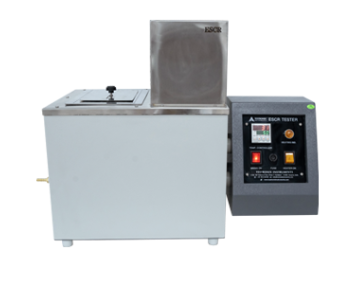
Stress Cracking Resistance Tester
Category:Textile Functional Tester
Factory Direct
Stable Performance
Intl. Standards
Tech Support
Fast Delivery
Global Shipping

Introduction
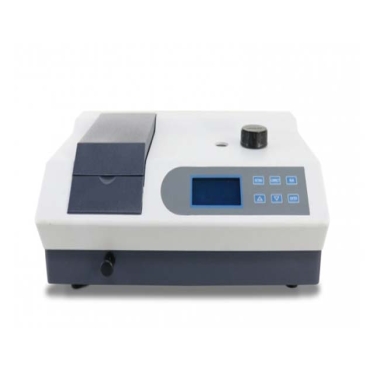
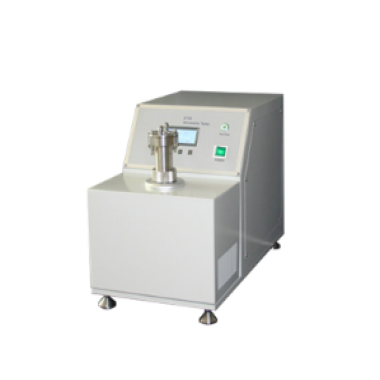
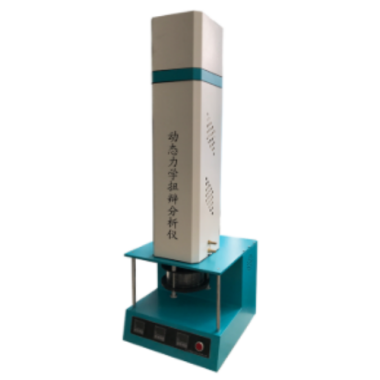
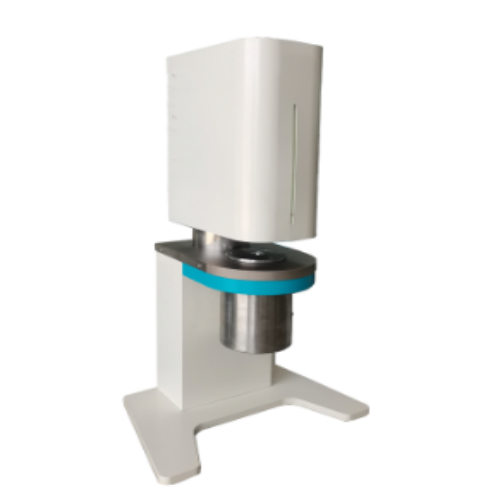
This Environmental Stress Cracking Resistance Tester is a testing device recommended according to standard requirements. It is a specialized device designed specifically for environmental stress cracking tests of polyethylene plastics. This testing device retains the technical requirements of the original prototype while incorporating structural innovations. It features a sophisticated design and advanced technology.
Applications
1. Plastic and Rubber Material Research and Development: Evaluating the stress crack resistance of new plastic and rubber materials under different environmental conditions, and optimizing material formulations and structures.
2. Product Quality Testing: Conducting quality testing on raw materials, semi-finished products, and finished products to ensure that products meet relevant standards and customer requirements.
3. Component Reliability Testing: Testing components (such as casings and brackets) in electronic and electrical products to identify potential problems in advance and optimize design and manufacturing processes.
4. Packaging Material Evaluation: Evaluating the performance changes of packaging materials under different temperatures, humidity levels, and storage times, providing a basis for selecting suitable packaging materials.
Standards
(1)ASTM D1693: Exclusively designed for bending beam and constant load tests on polyethylene and other thermoplastics.
(2)ISO 22088-3: Configurable for notched specimen testing in aggressive media.
Technical Parameters
| Specification | Details |
|---|---|
| Temperature Range | -10°C to 100°C (water/glycol bath) |
| Temperature Accuracy | ±0.2°C (±0.1°C with calibration kit) |
| Sample Capacity | 460 specimens (46 vessels × 10 samples) |
| Stress Load Range | 0–50N (0.1N resolution) |
| Power Supply | 220V/50Hz (110V/60Hz available) |
| Bath Volume | 60L (expandable to 120L) |
| Dimensions (W×D×H) | 1.200mm × 800mm × 1.850mm |
| Weight | 280 kg (net) |
Features
(1)Modular Bath System:
46-position carousel with quick-release glass vessels (250mL capacity).
Dual-circuit heating for rapid temperature equilibration.
(2)Stress Loading System:
Manual or motorized bending fixtures with 0–50N load range.
Laser-aligned specimen grips for consistent strain distribution.
(3)Chemical Management:
Integrated solvent level sensors with low-volume alerts.
Vented enclosure for fume extraction (compatible with external HVA systems).
(4)Data Integrity:
100Hz sampling rate captures crack initiation events.
Wireless data export via Wi-Fi/Bluetooth to LIMS platforms.
(5)Safety Suite:
Leak-proof magnetic drive stirrers.
Emergency solvent dump system with CO₂ fire suppression.
Accessoriess
(1)Sample Preparation Kit:
ASTM D1693-compliant milling cutters and polishing films.
Prefabricated specimen jigs for 2.75mm bending beams.
(2)Solvent Management:
Explosion-proof storage cabinet for flammable liquids.
Recirculating chiller for sub-ambient testing (-10°C).
(3)Advanced Analytics:
(4)CrackVision™ Software: AI-assisted image analysis for crack length measurement.
(5)LabCloud Pro: Remote monitoring for 100+ concurrent users.
(6)Calibration Bundle:
NIST-traceable temperature/force calibration kit with certificate.
(7)Extended Warranty:
5-year comprehensive coverage for bath and controls.
Maintenance Information
(1)Regularly clean the sample holders, clamps, and test bath to prevent residue buildup.
(2)Inspect and lubricate moving parts, mechanical components, and hinges to ensure smooth operation.
(3)Check sensors, temperature controllers, and electrical connections periodically for proper function.
(4)Calibrate the instrument and verify measurement accuracy according to manufacturer guidelines.
(5)Replace worn, damaged, or corroded parts promptly to maintain consistent test results.
(6)Update software or firmware as recommended to ensure proper operation.
(7)Keep detailed maintenance logs to track service history and ensure reliability.
FAQ
1. What is an ESCR Tester used for?
It evaluates the resistance of plastics and polymers to environmental stress cracking under chemical and mechanical stress.
2. How does the tester operate?
Samples are exposed to specific chemicals and mechanical stress while the instrument monitors for cracking or failure over time.
3. What types of materials can be tested?
Commonly used for thermoplastics, resins, and polymer-based materials used in packaging, automotive, and industrial applications.
4. How is test data recorded and analyzed?
Test results, such as time to crack or deformation, are recorded digitally, displayed on the interface, and can be exported for analysis.
5. What maintenance is required for the ESCR Tester?
Routine cleaning, inspection of clamps and baths, calibration, lubrication of moving parts, sensor checks, and timely replacement of worn components.
If you're ready to take the next step, Leave your message below and we'll reply soon. 20+ years of manufacturing & export experience, a partner you can trust.