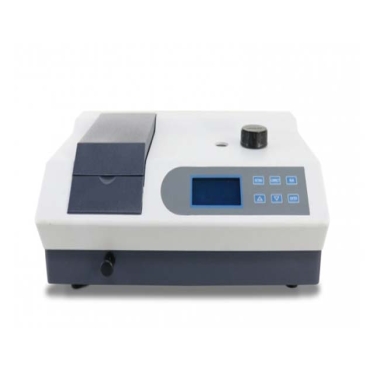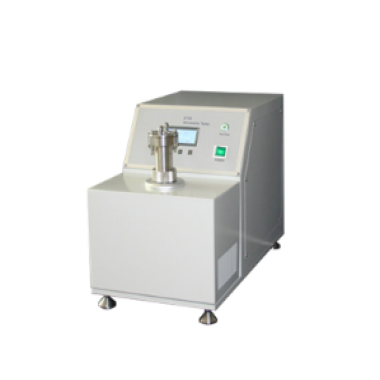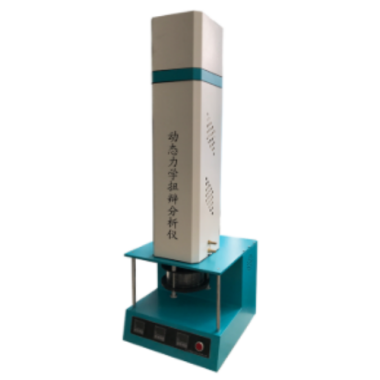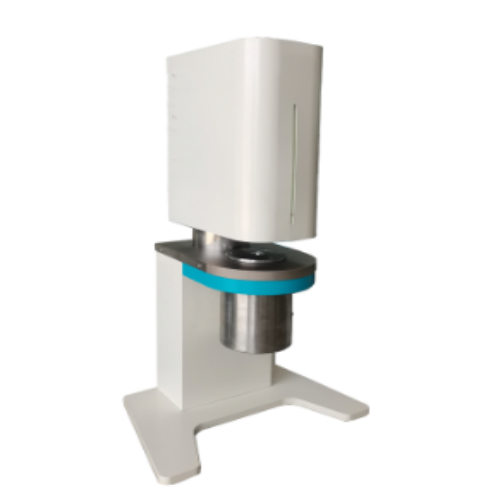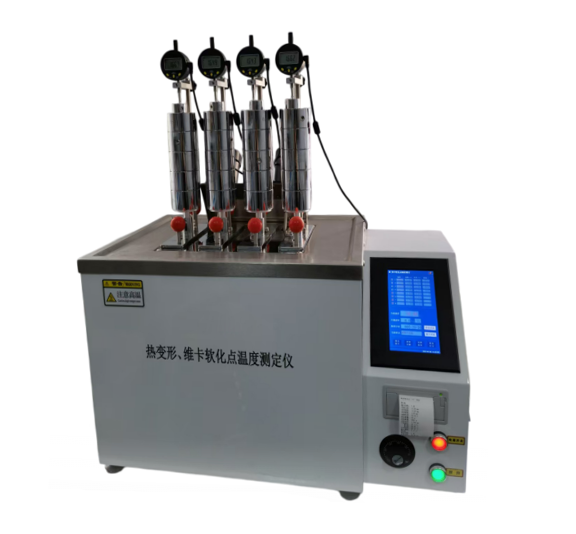
Thermal Deformation Vicat Softening Point Tester
Category:Textile Functional Tester
Factory Direct
Stable Performance
Intl. Standards
Tech Support
Fast Delivery
Global Shipping

Introduction
This Thermal Deformation Vicat Softening Point Tester is a non-metallic material testing instrument designed and manufactured according to the latest international standards and national standards. It is mainly used for non-metal such as plastic, hard rubber, nylon, electrical insulating materials, long fiber reinforced composite materials, high strength thermosetting laminates. Determination of the heat distortion temperature of the material and the Vicat softening point temperature. It is easy to operate and precise in control. Thermal Deformation Vicat Softening Point Tester is a highly intelligent test instrument widely used in colleges and universities, research institutes and product quality supervision and inspection units. It adopts single-chip control, PID phase-modulated output, with upper limit temperature setting, and automatically stops heating when the test temperature reaches the upper limit temperature..
Applications
plastic, hard rubber, nylon, electrical insulating materials, long fiber reinforced composite materials, high strength thermosetting laminates.
Standard
(1)GB/T1633《Determination of vika softening temperature (VST) of thermoplastic》
(2)GB/T1634《Determination of plastic load deformation temperature – part 1: general test method》
(3)GB/T8802《Determination of softening temperature of plastic pipe fittings》
(4)IS075-2013《Measurement of plastic load deformation temperature》
(5)ASTM D 648《Test method for temperature of plastic thermal deformation》
(6)ASTM D 1525《Plastic Vicat softening test method》
parameters
| Temperature control range | ambient temperature~300ºC |
| Heating rate | (120±10)ºC/h (12±1)ºC/6min, (50±5)ºC/h (5±0.5)ºC/6min |
| Temperature indication error | 0.1ºC |
| Temperature control accuracy | ±0.5ºC |
| Maximum deformation indication error | ±0.001mm |
| Deformation measurement range | 0-10mm |
| Number of sample racks | 3 |
| The weight of the load bar and the tray | 76g |
| Test span range | 64 or 100mm according to the standard |
| Fuel tank volume | about 13L |
| Heating medium | methyl silicone oil |
| Cooling method | built-in active air cooling or external water cooling |
| Heating power | 2kw |
| Appearance size | length 65cm*width 46cm*height 84cm |
Features
Intelligent PID adjustment, accurate heating rate, precise temperature control, and no difference.
The softening point test machine can do thermal deformation tests of various standard splines.
It can do the Vicat softening point tests of various standard splines.
Simultaneous thermal deformation and Vicat softening point test.
The required load can be automatically calculated according to the test standard and spline size.
Choose two heating rates, switch freely, and make them easy to operate.
Support multi-stripe test. Color separation processing of the test curve intuitively sees the test process of each group of samples.
The test is completed, or the upper-temperature limit is exceeded. And the temperature control is automatically turned off and shut down.
Double protection of software over-temperature protection and external mechanical over-temperature protection so that the test has no worries.
Diversified report settings, perfect report printing function.
Accessories
(1) Standard HDT test fixtures and support spans.
(2) Vicat softening test needles and loading assemblies.
(3) Load bars and trays compliant with standards.
(4) High-temperature silicone oil heating bath.
(5) Temperature and deformation sensors.
(6) Control and data acquisition software.
FAQ
1. What is an Automatic Thermal Deformation Vicat Softening Point Tester used for?
It measures the softening point of plastics and polymers under controlled heating and load conditions.
2. How does the tester operate?
A heated bath raises the temperature at a controlled rate while a standard needle penetrates the sample, and the softening point is recorded automatically.
3. What types of materials can be tested?
Commonly used for thermoplastics, resins, and polymer-based materials to determine thermal deformation properties.
4. How is test data recorded and analyzed?
Data is collected automatically by the instrument, displayed digitally, and can be stored or exported for analysis.
5. What maintenance is required for the tester?
Routine cleaning of the bath and needle, inspection of mechanical parts, calibration checks, and software updates are recommended to ensure accurate results.
If you're ready to take the next step, Leave your message below and we'll reply soon. 20+ years of manufacturing & export experience, a partner you can trust.