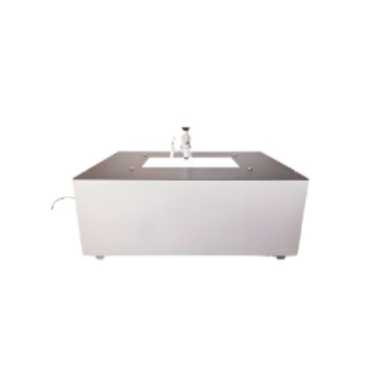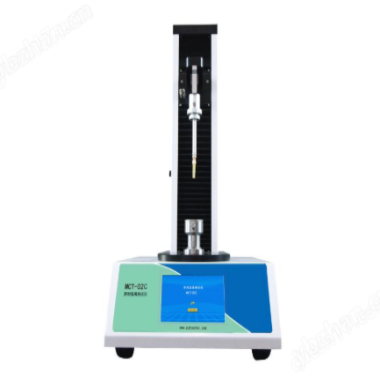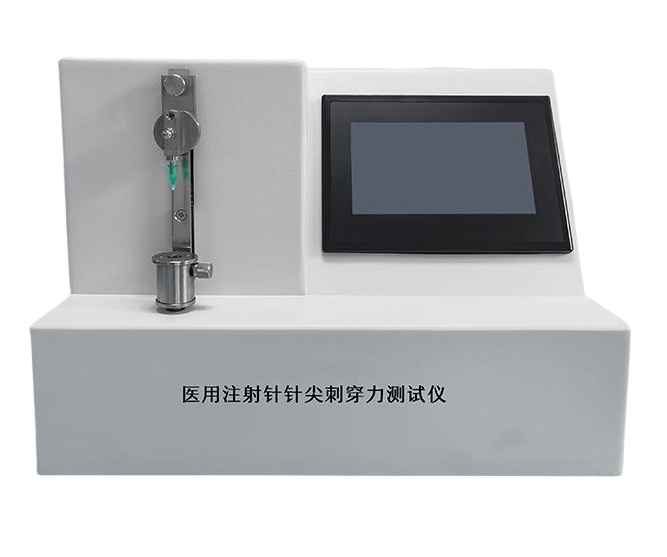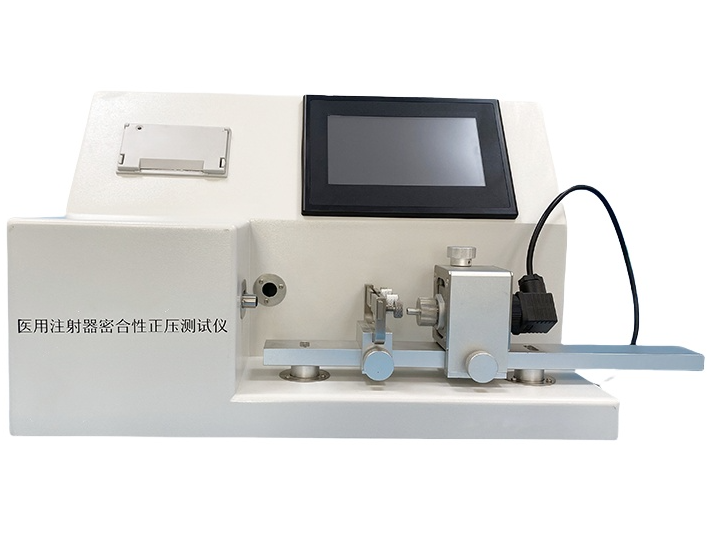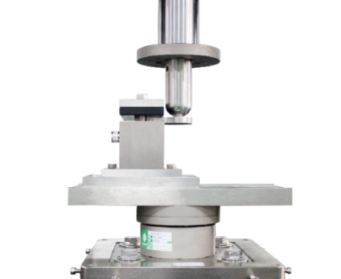
Tibial Tray Fatigue Testing Machine
Category:Medical Device Tester
Factory Direct
Stable Performance
Intl. Standards
Tech Support
Fast Delivery
Global Shipping

Introduction
The Tibial Tray Fatigue Testing Machine is a specialized device designed to evaluate the long-term mechanical durability of tibial implant components used in knee prostheses. It simulates repetitive loading conditions that occur during human walking or physical activity, applying cyclic forces to the tibial tray to assess fatigue resistance, structural integrity, and potential deformation over time. This testing ensures that implants can withstand real-life stress without failure, supporting quality control, product development, and compliance with orthopedic implant standards such as ISO 14879.
Standard
(1)YY/T 0810 (China): Specifies fatigue testing protocols for tibial trays in total knee arthroplasty, focusing on support and protection of plastic bearing surfaces.
(2)ASTM F1800 (International): Defines methodologies for evaluating the fatigue strength of tibial components under cantilever loading conditions.
(3)ISO 14879-1: Additional compliance for general fatigue testing of total knee joint prostheses.
Technical Parameters
| Parameter | Specification |
|---|---|
| Max. Dynamic Force | ±3.000 N (6.000 N peak optional) |
| Frequency Range | 0.1–10 Hz (0.01 Hz increments) |
| Load Ratio (R) | 0.1–10 (adjustable) |
| Axial Displacement | ±20 mm (0.1 μm resolution) |
| Torque Capacity | ±20 Nm (0.01 Nm resolution) |
| Temperature Range | -20°C to +50°C (environmental chamber) |
| Humidity Control | 10–95% RH (non-condensing) |
| Data Sampling Rate | 100 kHz (synchronized across 16 channels) |
| Power Requirements | 220V/110V ±10%, 50/60Hz, 2.000W |
| Dimensions (W×D×H) | 1.500 × 1.000 × 2.000 mm |
| Weight | 750 kg (including environmental chamber) |
| Noise Level | <65 dB (A-weighted) |
Features
(1)Electromagnetic Actuator: 3.000 N peak force capacity with programmable load ratios (R=0.1–10).
(2)Cantilever Loading System: Simulates physiological knee joint moments with ±20 mm axial displacement.
(3)Dynamic Load Control: 0.1–10 Hz frequency range with programmable waveforms (sine, square, random, custom).
(4)Thermal-Mechanical Chamber: ±0.3°C temperature stability with integrated humidity control (10–95% RH).
(5)High-Speed Imaging Ready: Syncs with external cameras for full-field strain mapping (DIC optional upgrade).
(6)Safety First: Triple-redundant emergency stop, overload clutches, and laser-based specimen breakage detection.
Maintenance Information:
(1)Regularly lubricate moving parts, bearings, and load application components to ensure smooth operation.
(2)Inspect fixtures, load cells, and sensors for wear or damage before each test.
(3)Calibrate load cells and displacement sensors periodically to maintain measurement accuracy.
(4)Keep the machine clean and free of dust or debris; store in a controlled environment to prevent corrosion.
FAQ
1.What is the purpose of the Tibial Tray Fatigue Testing Machine?
It is used to evaluate the fatigue performance and long-term durability of tibial tray implants under cyclic loading conditions.
2.Which standards does this machine comply with?
It typically follows ISO 14879 and other relevant orthopedic implant fatigue testing standards.
3.What types of specimens can be tested?
The machine is designed for metallic or polymer tibial trays used in knee replacement prostheses.
4.How is the testing data collected?
Load, displacement, and cycles are continuously monitored, and results are used to determine fatigue life and structural integrity.
5.What maintenance is required for accurate testing?
Regular lubrication, calibration of load cells, inspection of fixtures, and cleaning of the machine are essential to maintain precision.
If you're ready to take the next step, Leave your message below and we'll reply soon. 20+ years of manufacturing & export experience, a partner you can trust.