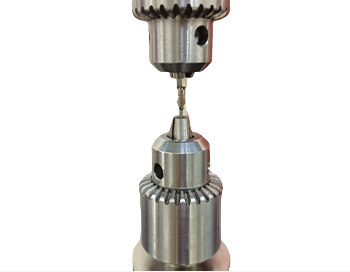
Torque-to-Failure Tester
Category:Medical Device Tester
Factory Direct
Stable Performance
Intl. Standards
Tech Support
Fast Delivery
Global Shipping

Introduction
Torque-to-Failure Tester for Metal Bone-Connecting Screws is a specialized device designed to measure the maximum torque a metal orthopedic screw can withstand before failure. It evaluates the mechanical strength, torsional resistance, and safety of bone screws used in surgical fixation. This tester is widely used in R&D, quality control, and regulatory testing to ensure screws meet performance standards and prevent implant failure during orthopedic procedures.
Standard
(1)YY/T 0662-2008 (Chinese standard for orthopedic implant testing)
(2)ISO 5832-1 (Metallic materials for surgical implants – Wrought stainless steel)
(3)ASTM F543 (Standard specification for metallic medical bone screws)
(4)ISO 6475 (Breaking torque and angle of rotation at failure for metal bone screws)
(5)EN ISO 14708-1 (Active implantable medical devices – General safety requirements)
Technical Parameters
| Parameter | Specification |
|---|---|
| Torque Range | 62–17.750 in-lb (0.7–2000 Nm) |
| Angular Resolution | 0.001° |
| Axial Load Capacity | Up to 50 kN (optional) |
| Speed Control | 0.001°–360°/min (torsional) |
| Data Sampling Rate | 5000 Hz |
| Power Supply | 110V/220V, 50/60Hz |
| Dimensions (W×D×H) | 24″×36″×72″ (610×914×1829 mm) |
| Weight | 450 kg |
Features
(1)Torque Capacity: 62–17.750 in-lb (0.7–2000 Nm), covering small-diameter screws to heavy-duty implants.
(2)Rotational Speed: 0.001°–360°/min, adjustable for static or dynamic failure analysis.
(3)Axial-Torsional Synchronization: Optional biaxial loading for simulating complex surgical insertion forces (per ASTM F543’s full test suite).
(4)Collet-Style Grips: Non-slip, specimen-friendly clamping to prevent premature failure or specimen damage.
(5)Biomechanical Simulation: Compatible with rigid polyurethane foam (ASTM F1839) and natural bone substitutes for self-tapping/driving tests.
(6)Safety Systems: Emergency stop, overload protection, and automatic specimen ejection.
Maintenance Information
(1)Regularly calibrate torque sensors and load cells.
(2)Clean fixtures and grips after each test to prevent residue buildup.
(3)Lubricate moving parts as recommended by the manufacturer.
(4)Inspect electrical connections and software for updates or errors.
This ensures accurate, reliable results and prolongs equipment lifespan.
FAQ
What is the purpose of this tester?
It measures the maximum torque a metal bone-connecting screw can withstand before failure, evaluating mechanical strength and safety.
What types of screws can be tested?
The tester is suitable for orthopedic bone screws of various diameters and materials, including stainless steel and titanium alloys.
How is a test performed?
The screw is fixed in a fixture, torque is applied gradually, and the peak torque at failure is recorded automatically.
Can it record data automatically?
Yes, the tester logs torque values, failure modes, and generates test reports for analysis.
How often should the device be maintained?
Routine maintenance includes calibration, cleaning fixtures, lubricating moving parts, and checking software and electrical connections.
If you're ready to take the next step, Leave your message below and we'll reply soon. 20+ years of manufacturing & export experience, a partner you can trust.