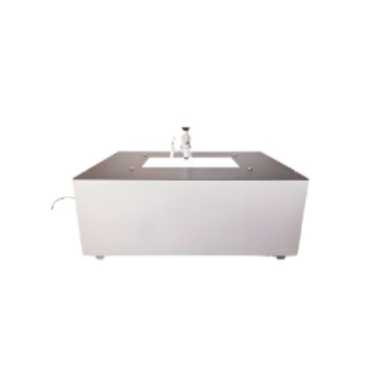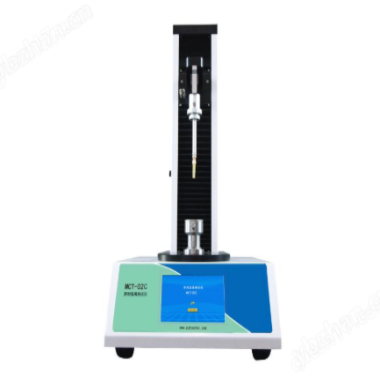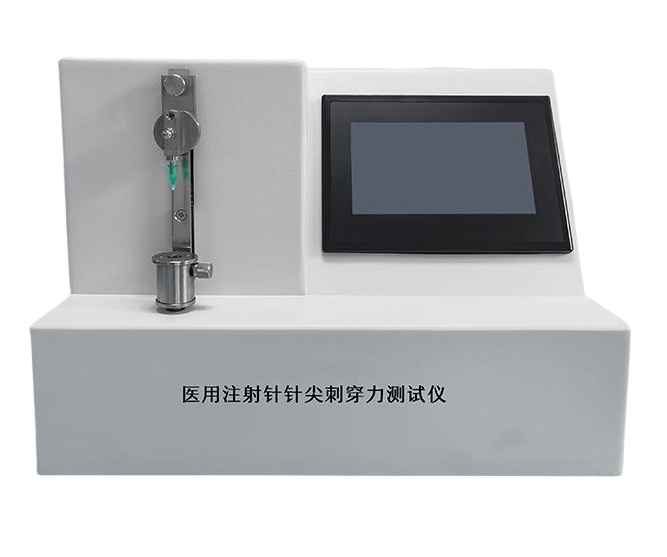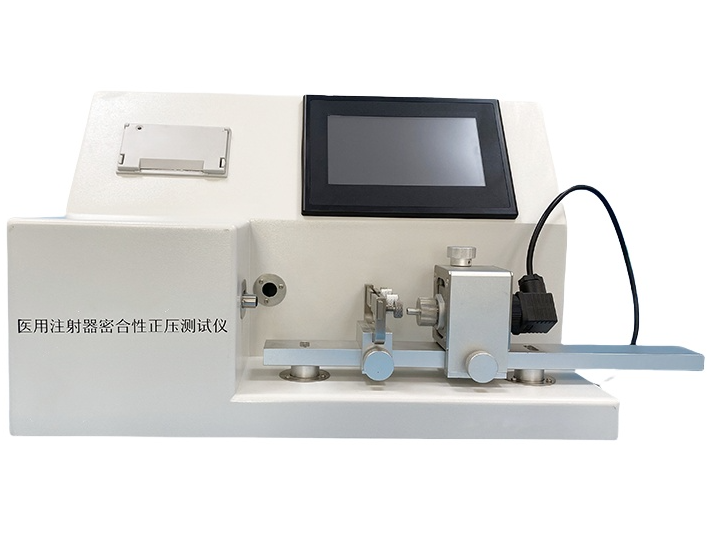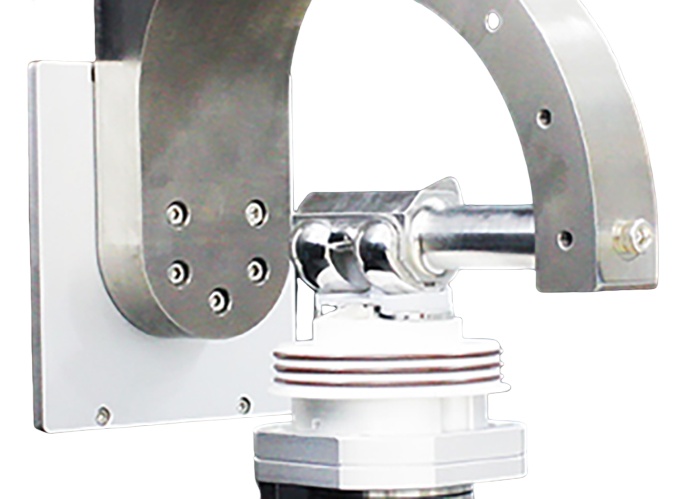
Total Knee Prosthesis Wear Testing Machine
Category:Medical Device Tester
Factory Direct
Stable Performance
Intl. Standards
Tech Support
Fast Delivery
Global Shipping

Introduction
The Total Knee Prosthesis Wear Testing Machine is a specialized testing device designed to evaluate the wear performance and durability of knee joint implants. It simulates physiological motions and loads experienced by knee prostheses during walking or other activities, measuring material wear, component deformation, and overall implant longevity under repeated cyclic loading conditions.
Standards
(1)YY/T 0651.2
(2) ISO 14243-1
These standards specify the testing requirements for total knee prostheses on a wear simulator equipped with axial load control, flexion/extension angle motion control, anterior-posterior displacement control, and tibial rotation motion control. The standards define the relative flexion/extension angular motion between joint components, loading protocols, test speeds and durations, specimen assembly, and test environment requirements.
Application
The Total Knee Prosthesis Wear Testing Machine is designed to simulate the in vivo mechanical environment of knee implants and evaluate their wear and durability. Key applications include:
Implant longevity assessment: Measure wear patterns and friction behavior of femoral and tibial components under simulated gait cycles.
Material and design comparison: Test different materials, coatings, or geometries to reduce wear and improve implant lifespan.
Quality control: Ensure total knee prostheses meet mechanical and wear performance standards before clinical use.
Research and development: Optimize implant articulation, alignment, and lubrication strategies for better patient outcomes.
Standards compliance: Conduct tests according to ISO 14243. ASTM F2706. and other relevant international standards.
This machine provides crucial data for predicting implant lifespan and improving knee prosthesis safety and performance.
Technical Specifications
| Parameter | Specification |
|---|---|
| Maximum peak load | 14.000 N |
| Dynamic peak load | 12.000 N |
| Static peak load | 8.400 N |
| Machine grade | 0.5 |
| Load measurement range | 0.4% – 100% F.S. |
| Load measurement accuracy | better than ±0.2% of indicated value (within load range) |
| Maximum fatigue loading frequency | 100 Hz |
| Axial stroke | 30 mm |
| Displacement resolution | 0.1 μm |
| Test space (between upper and lower fixtures) | 0–950 mm |
| Net weight | approximately 1.500 kg |
| Dimensions | approximately 1.000 × 1.000 × 2.000 mm |
| Optional environmental accessories | water bath, high-temperature, low-temperature, humidity control, etc. |
| Applications | Fatigue, fracture, and static testing of metals, polymers, and composite materials; Static and dynamic testing of surgical implants (e.g., trauma, joint, spine, dental applications); Tensile fatigue testing of polymers; Crack propagation testing of rubber materials |
| Optional Fixtures | Mechanical tensile, compression, and bending fixtures; Specialized femoral stem fixtures; Four-point bending fixtures; Pedicle screw/rod system fixtures; Tibial plateau fixtures; Vertebral resection model compression/tension fixtures; Dental implant fixtures |
Features
Next-generation fatigue testing system driven by a large electromagnetic motor;
Direct-drive electromagnetic motor provides stable operation with high repeatability, ensuring precise control of force and displacement;
Integrated electromagnetic actuator features low friction and high repeatability, with rapid system response and high speed;
Capable of performing tensile, compressive, bending, shear, creep, and relaxation tests;
Meets modern material testing requirements for high precision, high frequency, high stability, and durability;
Oil-free, seal-free, maintenance-free design with long service life, high integration, easy installation, and small footprint;
Wide range of fixtures and accessories available.
Accessories
(1)Femoral and tibial fixtures for different implant sizes.
(2)Lubrication system simulating synovial fluid.
(3)Load and motion actuators for flexion-extension and axial rotation.
(4)Sensors for force, displacement, and wear measurement.
Maintenance Information
Clean fixtures and lubrication channels after each test.
Calibrate sensors and actuators regularly.
Inspect mechanical parts for wear or damage.
Replace worn seals, bearings, or other consumables to ensure accuracy.
FAQ
1.What is the purpose of this machine?
It simulates knee joint motion and loads to evaluate wear, friction, and durability of total knee prostheses.
2.Which standards does it comply with?
The machine is designed to meet ISO 14243. ASTM F2706. and other international wear testing standards for knee implants.
3.What types of prostheses can be tested?
Both femoral and tibial components of cemented or uncemented total knee implants of various sizes and materials can be tested.
4.How is wear measured during testing?
Wear is monitored using sensors, fluid collection systems, and periodic component inspections to measure material loss and debris generation.
5.What maintenance is required to keep it accurate?
Regular cleaning, calibration of sensors and actuators, inspection of mechanical parts, and replacement of worn components are necessary for reliable results.
If you're ready to take the next step, Leave your message below and we'll reply soon. 20+ years of manufacturing & export experience, a partner you can trust.