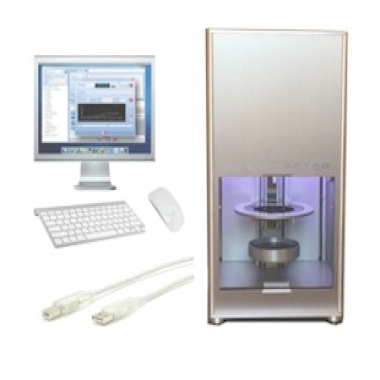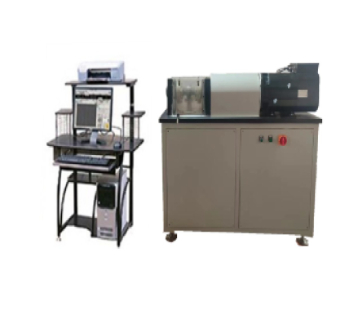
Plain bearing PV friction testing machine
Category:Other
Introduction
The Plain Bearing PV Friction Testing Machine is designed to evaluate the friction and wear properties of engineering plastics, powder metallurgy, alloy bearings, and other materials under sliding friction conditions. By simulating different loads, speeds, friction materials, surface roughness, hardness, and lubrication conditions, the system determines the PV value of the material (the product of pressure and velocity), which represents the load-bearing capacity of plain bearings.
This instrument is critical for material R&D, optimal bearing design, quality control, and development of new materials.
Applications
The testing machine is widely used in:
Material Performance Evaluation
Simulates real working conditions to measure friction coefficient, wear resistance, and PV value.
Supports material selection and design for engineering applications.
Lubricant Performance Evaluation
Tests the effect of different lubricants on friction and wear under specific conditions.
Provides a reference for lubricant selection and usage.
Process Parameter Optimization
Evaluates how load, speed, and operating time influence friction and wear.
Generates experimental data to optimize process parameters for improved bearing performance.
Applicable Standards
The machine is designed to comply with relevant national and international standards, ensuring accurate and comparable results:
GB/T 7948-1987 – Limit PV test method for plastic bearings, specifying requirements and test processes.
ASTM standards – Includes relevant PV friction tests developed by the American Society for Materials and Testing (ASTM), detailing test methods, conditions, and data processing protocols.
Note: Different materials and environments require selecting the appropriate standard. Strict adherence to testing methods, calibration, and maintenance is essential to ensure reliable and precise results.
Product Advantages
Accurate PV Value Measurement: Determines the pressure-speed product under realistic friction conditions.
Versatile Testing Capabilities: Supports a variety of materials, lubricants, and surface conditions.
Process Optimization Support: Helps engineers and researchers adjust parameters for optimal performance.
Quality Control: Ensures reliable evaluation for manufacturing and R&D processes.
Compliance with Standards: Fully compatible with GB/T, ASTM, and international testing requirements.