Dry and Wet Retroreflectometer
Category:Other
Introduction
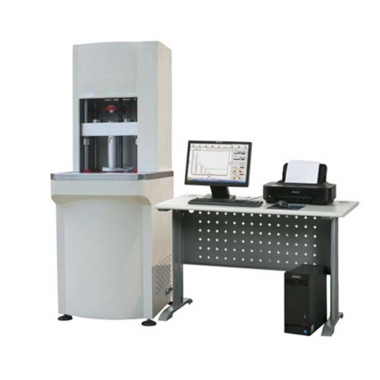
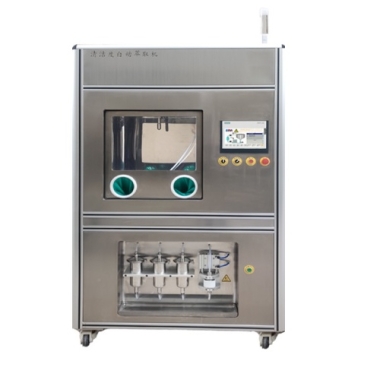
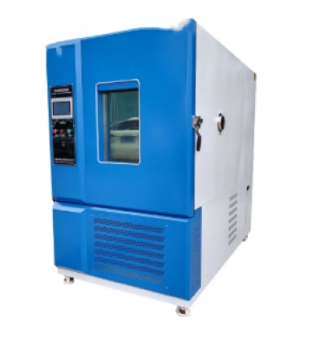
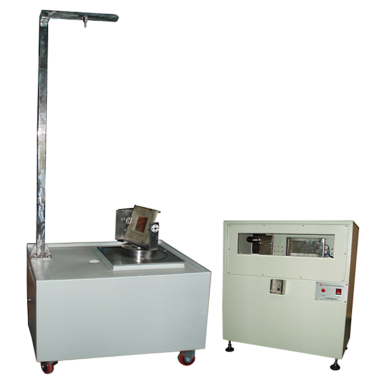
The Dry and Wet Retroreflectometer is a precision testing instrument designed to evaluate the wear resistance of materials under dry and wet abrasive conditions, while also assessing retroreflective properties for visibility and safety applications. By simulating real-world environments such as dry sand, wet sand, and rainfall, this instrument provides quantitative and reproducible measurements of material durability and reflectivity.
It is widely used in material research and development, industrial production, and quality control to ensure that materials and products meet stringent wear resistance and optical performance requirements.
Applications
Material R&D
Evaluates wear resistance of new materials for optimal design and performance improvement.
Simulates realistic abrasive conditions for predicting material lifespan.
Industrial Production
Tests components and parts to screen materials with superior durability.
Improves product stability, reliability, and service life in harsh working environments.
Quality Control
Ensures that finished products meet wear and reflectivity standards.
Identifies defective materials before market release.
Safety and Visibility Testing
Measures retroreflective performance of traffic signs, high-visibility garments, and safety equipment under dry and wet conditions.
Applicable Standards
The instrument is designed to comply with international and regional standards:
EN ISO 20471:2013 – High-visibility clothing performance standards.
ANSI/ISEA 107-2015 – American national standard for high-visibility safety apparel.
GB 20653-2006 & GB/T 18833 – Chinese standards for visibility and reflective materials.
ASTM Standards – Including ASTM G65 for dry-sand rubber wheel abrasion tests, and ASTM G105 for wet-sand abrasive wear tests.
JB/T 7705 & JB/T 9396 – Chinese machinery standards specifying sample size, fixture design, and test parameters.
Note: Select standards based on material type, intended application, and testing purpose. Strict adherence ensures accuracy and reproducibility.
Specifications / Technical Parameters
| Parameter | Specification |
|---|---|
| Light Source | Standard Light A, 2856K color temperature |
| Illuminometer | 0.01 lux – 200 klux (equipped with machine) |
| Optical Detector | Angular aperture: δ ≤ 12′ |
| Observation Angle | α: 12′ – 2°, adjustable, accuracy: 6′ |
| Angle of Incidence | β: 0° – 40°, adjustable, accuracy: 1° |
| Sample Holder | Supports accurate positioning between first spindle β1 and second spindle β2 |
| Distance Detector to Sample | 15 m (requires darkroom), laser rangefinder configured |
| Nozzle Diameter | 1.19 mm, produces stable conical water column |
| Nozzle Distance to Sample | 1000 mm |
| Sample Size | 150 × 150 mm or 50 × 50 mm |
| Spray Water Speed | 284 mm/h |
| Time Control | 0–99.99 min, accuracy: 0.01 min |
Support Services
English Manual & Quality Certificate
Remote Online Support & Breakdown Assistance
Applications Support & Installation Guidance
12-Month Warranty & Spare Parts Availability
CE & ISO 17025 Certification
24/7 Customer Service & Training