Automobile Sealing Strip Wear Test Machine
Blog 2 12 月, 2025
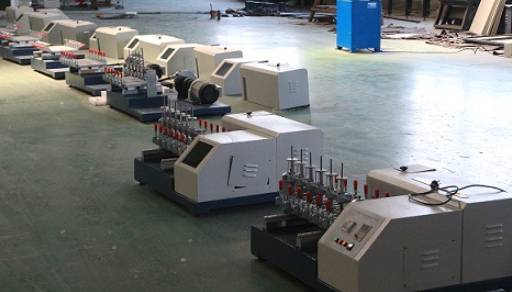
The Automobile Sealing Strip Wear Test Machine is a specialized laboratory instrument designed to evaluate the wear resistance and durability of automotive sealing strips. This machine simulates real-world conditions such as friction, compression, and repetitive motion that sealing strips experience during vehicle operation. Equipped with precision drive systems and adjustable test fixtures, it ensures accurate and repeatable results, making it an essential tool for automotive manufacturers and quality control laboratories.
Applications
This machine is primarily used to test the wear resistance, friction performance, and overall durability of sealing strips used in cars, trucks, and other vehicles. It helps manufacturers assess whether sealing strips can maintain their sealing performance under long-term use, resist abrasion, and ensure noise reduction, water-tightness, and dust protection. It is widely applied in automotive components testing, research and development, and production quality control.
Standards Compliance
The Automobile Sealing Strip Wear Test Machine complies with international and domestic standards for sealing strip testing, such as GB/T 8467, ISO 11542, and SAE J200. These standards specify testing methods, cycle numbers, speed, and load conditions to ensure scientifically valid and comparable results, helping manufacturers meet both regulatory and export requirements.
Testable Parameters
The machine can evaluate wear resistance, friction coefficient, compression set, and overall durability of automotive sealing strips. Adjustable test speed, stroke length, and load allow simulation of various real-life operating conditions. This enables manufacturers to identify potential product weaknesses before mass production and improve material selection and design.
Advantages and Limitations
The main advantages of the Automobile Sealing Strip Wear Test Machine include accurate simulation of real-world wear conditions, reliable test results, and flexible test settings for different types of sealing strips. The machine is robust, easy to operate, and requires low maintenance. However, it requires a stable laboratory environment to ensure consistent results, and initial acquisition costs can be relatively high for small-scale workshops.
Usage Precautions
Ensure that the test samples are securely installed and aligned in the clamps to avoid slippage during testing. Follow recommended test speeds, loads, and cycle numbers. Regularly inspect moving parts, sensors, and the drive system to maintain accuracy and reliability. Adjust test parameters according to material type and thickness to obtain the most representative results.
Frequently Asked Questions
Can this machine test all types of automotive sealing strips?
Yes, it is suitable for rubber, silicone, EPDM, and other common automotive sealing strip materials. Adjustable fixtures and test parameters allow compatibility with different sizes and hardness levels.
Are the test results reliable and repeatable?
Yes, the machine uses high-precision sensors and control systems to ensure accurate and repeatable results, meeting ISO and SAE standards.
Can it simulate long-term real-world wear conditions?
Yes, by adjusting stroke, load, and cycle frequency, the machine can replicate various operational stresses to evaluate long-term durability.
Is the machine difficult to operate?
No, it features an intuitive control panel with digital display. Operators can quickly learn to perform tests, and technical support is available if needed.
What maintenance is required?
Routine maintenance includes checking moving parts, lubricating mechanical components, inspecting sensors, and cleaning the workspace. Proper maintenance ensures consistent and reliable operation over time.