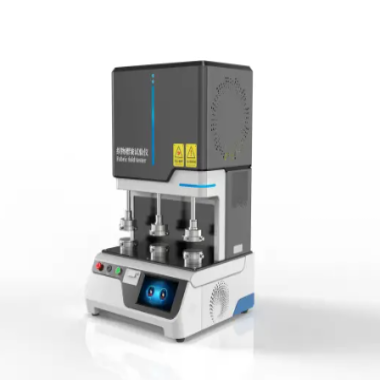
Fabric Wrinkle Bending Tester
Category:Other
Introduction
Product Introduction & Applications
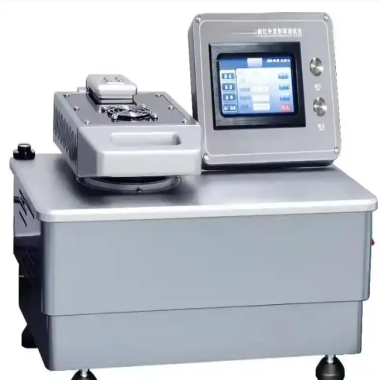
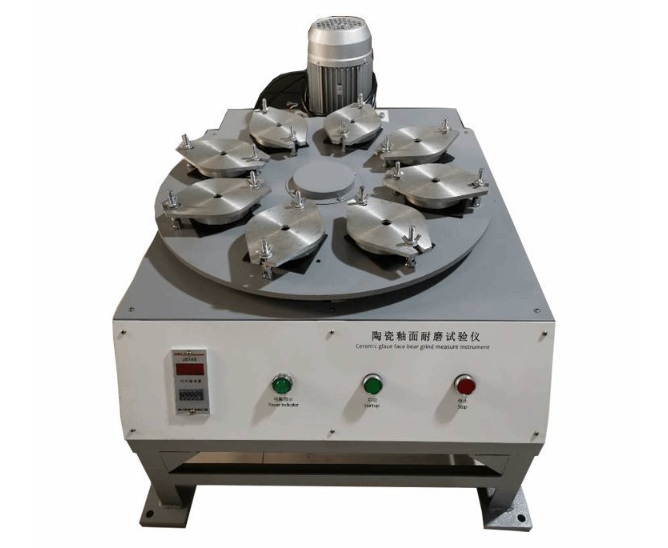
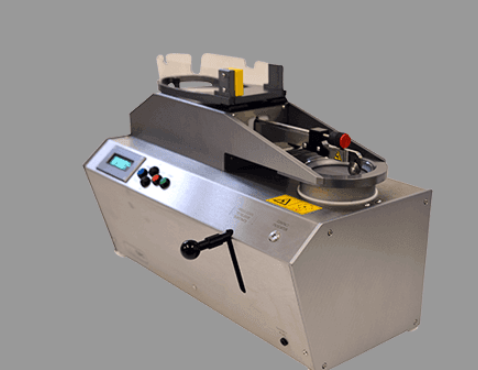
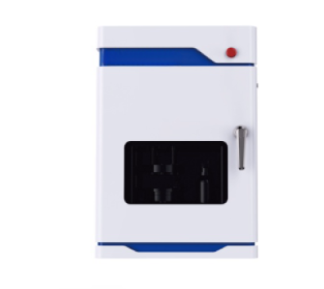
The Fabric Wrinkle Bending Tester evaluates the wrinkle recovery performance of textile fabrics by simulating real-life conditions, such as pressure and temperature. It provides reliable and repeatable results that help textile manufacturers, clothing designers, and quality control laboratories identify and resolve wrinkle issues in fabrics. The tester is widely used in textile production for seam and cutting inspection, in clothing design to understand fabric behavior, and in quality control to ensure products meet national or international standards.
Standards
GB/T 3819 — Method for Determining Crease Recovery of Fabrics
ISO 2313 — Textiles: Determination of the Crease Recovery of Fabrics
AATCC 128 — Wrinkle Recovery of Fabrics: Appearance Method
Technical Parameters
| Parameter | Details |
|---|---|
| Sample Size | 40 × 15 mm (or other standard sizes) |
| Pressure Load | Typically 10 N, adjustable as per standard |
| Recovery Angle Measurement Range | 0–360° with 1° resolution |
| Test Time | Immediate and delayed recovery, adjustable from 1 s to 9999 s |
Usage Notes
Ensure the sample is properly clamped to avoid slippage during testing.
Clean the testing platform and pressure head regularly to prevent contamination of results.
Adjust pressure and test duration according to the specific standard being applied.
Do not exceed the maximum pressure load to prevent damage to the instrument.
Keep the tester in a dry, stable-temperature environment to maintain measurement accuracy.
FAQ
What fabrics can be tested with this instrument?
It is suitable for cotton, polyester, blended fabrics, and most woven and knitted textiles.
How is wrinkle recovery measured?
The tester applies a specified pressure to the fabric and records the recovery angle after the pressure is released.
Can the pressure load and test time be adjusted?
Yes, both pressure and test duration can be adjusted to meet different standards.
Which standards does this tester comply with?
It complies with GB/T 3819, ISO 2313, and AATCC 128.
Where is this instrument typically used?
It is widely used in textile production, clothing design, quality control laboratories, and research institutes.