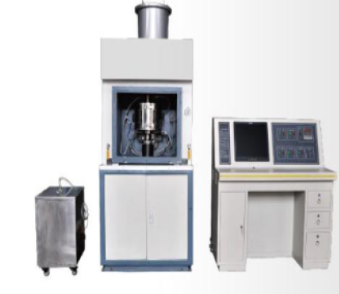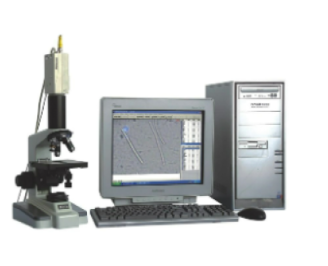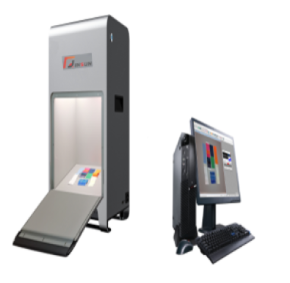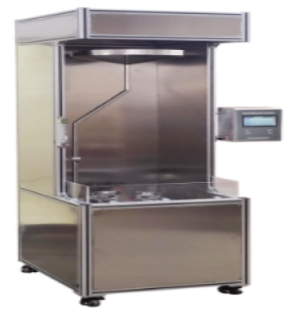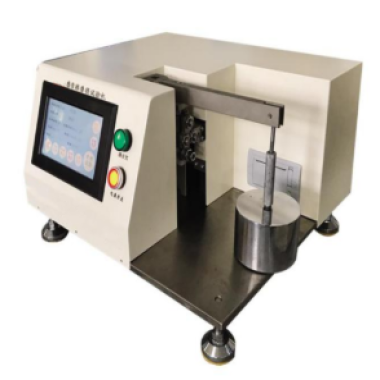
Sliding bearing PV friction testing machine
Category:Other
Introduction
Product Introduction
The Sliding Bearing PV Friction Testing Machine is designed for determining the limit PV value, friction performance, and temperature rise characteristics of sliding bearings. It is suitable for plastic-based bearings, iron-based powder metallurgy bearings, oil-impregnated bearings, and other types of sliding bearing materials.
The instrument simulates real operating conditions by applying radial load, controlling rotational speed, and monitoring friction torque, wear amount, and temperature in real time.
This tester is widely used in bearing manufacturers, powder metallurgy research institutes, automotive parts factories, engineering material laboratories, and quality inspection institutions.
Compliance Standards
GB 7948-1987 – Test Method for Limit PV Value of Plastic Bearings
JB/T 7381-2010 – Determination Method of PV Value for Powder Metallurgy Oil Bearings
Other related standards for sliding bearing performance evaluation
Working Conditions
The machine operates normally under the following environmental conditions:
Room temperature 10°C–35°C
Relative humidity ≤80%
No vibration, no corrosive gases, and no strong electromagnetic interference
Power supply fluctuations within ±10% voltage and ±2% frequency
Installed on a firm, level foundation (flatness 0.2/1000)
Main Features
The tester provides advanced and reliable capabilities for evaluating bearing friction and wear performance:
High-precision loading up to 15000 N with ±1% accuracy
Stepless spindle speed control from 0–2000 r/min
Real-time monitoring of friction torque, friction coefficient, temperature, speed, and time
Automatic shutdown when preset test conditions are met
Automatic calculation of PV value, wear amount, and comprehensive test results
Large test parameter range supporting long-duration tests (up to 999999 s or 999999 revolutions)
High-stability spindle runout (≤0.01 mm)
Integrated temperature measurement up to 300°C
Durable friction vice made of quenched and tempered 45# steel (HRC40–45), customizable
Technical Parameters
| Parameter | Specification |
|---|---|
| Test force (radial) loading range | 0–15000 N |
| Force accuracy | ≤ ±1% |
| Spindle speed | 0–2000 r/min, stepless adjustment |
| Speed accuracy | ±2 r/min |
| Friction torque range | 0–50 Nm |
| Torque display accuracy | ≤ ±2% |
| Temperature measurement range | Room temperature – 300°C |
| Spindle taper | 1:7 |
| Friction pair diameter | 35 mm |
| Standard specimen size | 39 mm outer diameter × 35 mm inner diameter × 35 mm length |
| Test time control | 0–999999 s (arbitrary setting) |
| Spindle radial runout | ≤ ±0.01 mm |
| Test cycle control | 1–999999 revolutions |
| Control conditions | Fixed speed & variable load; automatic shutdown at preset torque, temperature, time, or cycles |
| Output | Automatic PV value, friction coefficient, wear amount, test report |
| Friction vice | 45# steel, HRC40–45 (customizable) |
| Total machine power | ~8.5 kW |
| Main machine weight | ~800 kg |
| Dimensions | ~1200 × 600 × 1000 mm |
Application Fields
The Sliding Bearing PV Friction Testing Machine is used in:
Plastic bearing performance evaluation
Powder metallurgy oil-bearing R&D
Automotive sliding components testing
Industrial machinery bearing verification
Quality inspection and academic research
High-load and high-temperature tribology studies
Advantages
High test accuracy, especially for PV value calculation
Wide control range for speed, load, and time
Real-time monitoring of comprehensive friction parameters
Automatic calculation and report generation
Stable spindle system ensures repeatability
Suitable for long-duration and high-load tests
Usage Precautions
Check the spindle and fixture alignment before testing
Ensure the test specimen is installed tightly and correctly
Avoid operating in high-humidity or dusty environments
Do not exceed the rated load or speed
Allow sufficient cooling between high-temperature tests
Regularly maintain the spindle, sensors, and lubrication system
FAQ
1. What types of bearings can be tested with this machine?
The tester can evaluate plastic bearings, iron-based powder metallurgy bearings, oil-impregnated bearings, copper-based sliding bearings, engineered composite bearings, and customized bearing materials.
2. What is the meaning of the PV value in bearing testing?
The PV value represents Pressure × Velocity, indicating the bearing’s ability to withstand load and speed simultaneously. It is a critical index for determining bearing durability and friction performance under extreme operating conditions.
3. Can the machine record friction coefficient in real time?
Yes. The system continuously monitors friction torque and automatically computes the friction coefficient, PV value, and wear amount, displaying and storing results throughout the test.
4. How is test safety ensured?
The machine includes automatic shutdown functions triggered by preset torque, temperature, revolutions, time, or load thresholds, preventing equipment overload and ensuring operator safety.
5. Can the friction vice material be customized?
Yes. While the standard configuration uses 45# quenched steel, customers can request alternative materials such as alloy steel, stainless steel, or special coatings depending on test requirements.