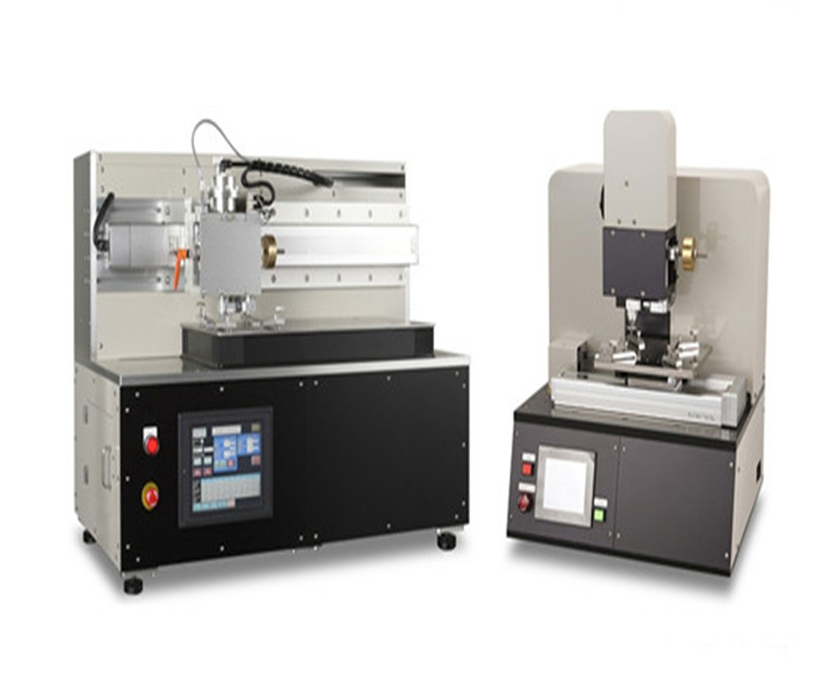
KK02 Scratch tester
Category:Other
Introduction
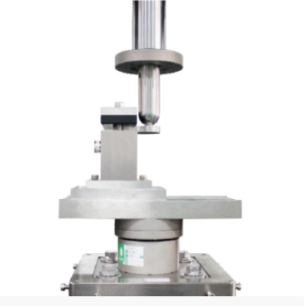
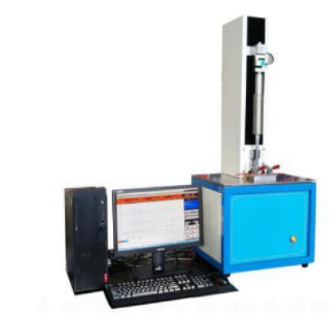
The KK02 Scratch Tester is designed to evaluate the scratch resistance of materials such as films, plastics, automotive interior and exterior decorative materials, and coating materials. As the demand for high-quality surface finishes on molded products increases, scratch resistance has become critical for both aesthetic and structural integrity. This tester adheres to international standards (ASTM D7027-05, ISO 19252) and provides precise, reproducible results for research, quality control, and material development.
Scope of Application
The tester is suitable for:
Films and sheets
Plastic molded products
Automotive interior and exterior decorative materials
Coating materials
It is widely used in automotive, plastics, coatings, and material R&D laboratories to quantify scratch characteristics under controlled conditions.
Key Features
High-precision teaching function: Allows accurate pre-setting of the load zone before testing.
Touchscreen operation: All settings and functions are easily configured via a front-mounted touch interface.
Surface adaptability: Can test scratches on surfaces with concave or convex patterns without affecting the linearity of the applied load.
Memorized test conditions: Supports storage of up to 20 sets of test conditions for repeatability and convenience.
Technical Parameters
| Parameter | Specification |
|---|---|
| Compliance Standards | ISO, ASTM D7027-05 |
| Test Mode | Load increase mode |
| Speed Range | 1–200 mm/sec |
| Vertical (Z) Load Control Range | 1–50 N |
| Horizontal (X) Load Test Range | 50 N |
| Dimensions | 545 × 455 × 680 mm (W×D×H) |
| Weight | ~65 kg |
FAQ
1. What materials can be tested?
The KK02 Scratch Tester can test films, plastics, automotive decorative materials, and coating surfaces to determine scratch resistance.
2. What standards does the tester comply with?
The instrument is compliant with ASTM D7027-05 and ISO 19252, ensuring internationally recognized testing procedures.
3. Can it test uneven surfaces?
Yes. The vertical load mechanism is designed to maintain linear load increase even on concave or convex surfaces, making it suitable for patterned materials.
4. How are test conditions managed?
Up to 20 test conditions can be stored for repeated testing, improving workflow efficiency and consistency.
5. Is it easy to operate?
Yes. The intuitive touchscreen interface allows for easy configuration and operation without extensive training.