Adhesion Strength Tester
Category:Abrasion Tester
Introduction
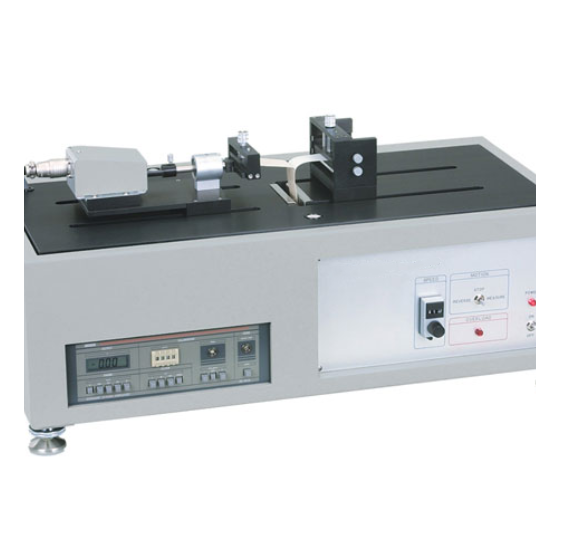
The Adhesion Strength Tester is a precision instrument designed to evaluate peeling strength, tensile strength, tearing resistance, and surface adhesion performance of bonded materials. By applying controlled, opposing linear motion to test specimens, the tester delivers accurate and repeatable measurements for T-peel, 180° peel, tensile, and tear tests, supporting reliable assessment of material bonding quality.
Application
The instrument is suitable for quantitative evaluation of adhesion and mechanical strength in a wide range of materials and bonded structures, including:
T-peel strength measurement of laminated materials
180° peel strength testing of adhesive joints
Tensile strength testing of bonded or flexible materials
Tear resistance testing of films, textiles, and papers
Surface adhesion force evaluation of coatings and bonded layers
Typical test samples include:
Adhesive tapes and laminates
Films, sheets, and flexible packaging materials
Paper, paperboard, and coated paper products
Textiles and nonwoven fabrics
Bonded polymer and composite materials
Standards
JIS L 1066 (Testing Methods for Woven Fabrics)
JIS L 1085 (Testing Methods for Nonwoven Fabrics)
JIS L 1086 (Testing Methods for Textile Products)
JIS P 8139 (Determination of Adhesion and Peel Strength of Paper and Board)
Parameters
| Parameter | Specification |
|---|---|
| Measurement range | Load cells available: 0–100 gf, 0–2000 gf |
| Traveling speed | Clamp traveling speed: 50–500 mm/min |
| Measurement speed | Opposing clamp speed: 100–1000 mm/min |
| Travel distance | Stroke per clamp: 150 mm |
| Specimen size | Maximum: 200 mm × 75 mm |
| Output signal | 0 to ±5 V (within ±0.05% FS) |
| Frequency response | 2 kHz / −3 dB |
| Operating environment | Temperature: 0–50 °C |
| Relative humidity: ≤85%, non-condensing | |
| Power supply | AC 100 V, 50/60 Hz |
| Dimensions | W 630 mm × D 310 mm × H 350 mm |
Features
Wide measurement capability from very low to relatively high adhesion forces
Supports multiple test modes, including T-peel, 180° peel, tensile, tear, and surface adhesion tests
Desktop-type design suitable for laboratory and on-site testing
Portable structure allows convenient measurements in different locations
Simple zero balance and calibration procedures enable quick and intuitive operation
Stable opposing-motion mechanism ensures consistent and repeatable test results
Accessories
(1) Load sensor
(1) Relay cable, 1 m
(1) Power cable with E-type plug, 2 m
(1) Acrylic protective cover
(1) Tool set
(1) Parts storage box
(1) Operating manual
Optional: Tribosoft analysis software
Test Procedures
Prepare the specimen according to the required test method and standard.
Secure each end of the specimen firmly in the opposing clamps.
Select the appropriate load sensor and verify zero balance.
Set the test speed and travel distance based on the test requirement.
Start the test, allowing the clamps to move at equal speed in opposite directions.
Record the resistance measured by the load sensor during the test.
Analyze the data to determine peel strength, tensile strength, or adhesion force.
Maintenance Information
Keep clamps and load sensors clean after testing
Periodically verify calibration and zero balance
Inspect moving components to ensure smooth and stable operation
Avoid exposure to excessive dust, vibration, or moisture
Store the instrument and accessories in a dry, controlled environment when not in use
FAQ
1. What is the core advantage of this product?
The opposing-clamp design enables stable and accurate measurement of adhesion and peel strength across multiple test modes.
2. Are the test results reliable?
Yes. Precise load sensing, controlled motion, and standardized test procedures ensure repeatable and dependable results.
3. Which international or industry standards does it comply with?
The tester supports JIS L 1066. JIS L 1085. JIS L 1086. and JIS P 8139 related adhesion and peel strength testing.
4. Why is this product important?
It provides quantitative evaluation of bonding performance, which is critical for material selection, product development, and quality control.
5. Which fields is this product suitable for?
It is suitable for textiles, paper and packaging, adhesive and film manufacturing, materials research, and quality inspection laboratories.