Automotive Seat Dynamic Comfort Test System
Category:Static & Dynamic Load
Factory Direct
Stable Performance
Intl. Standards
Tech Support
Fast Delivery
Global Shipping

Introduction
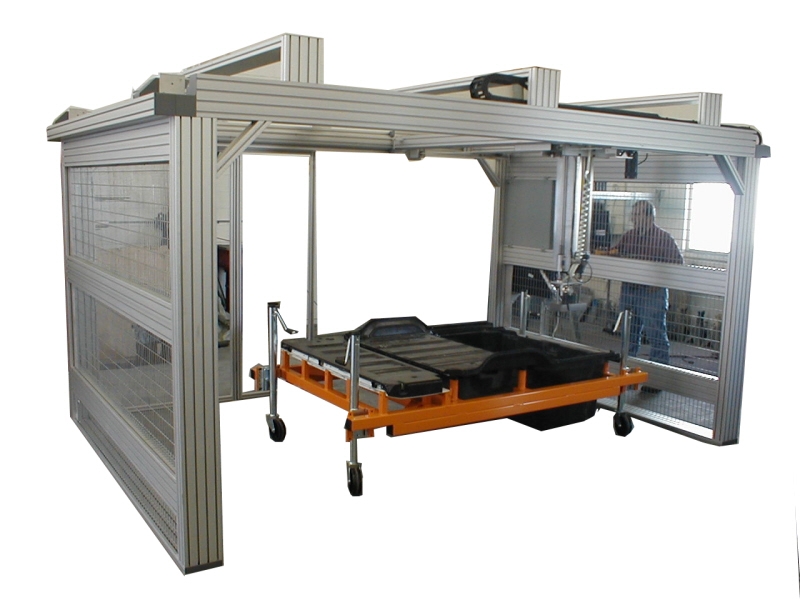
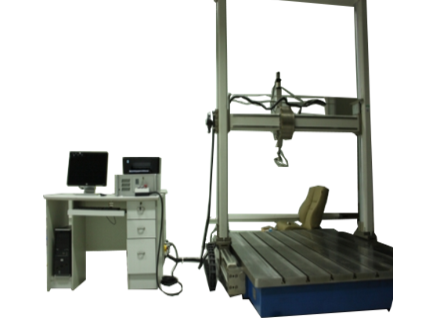
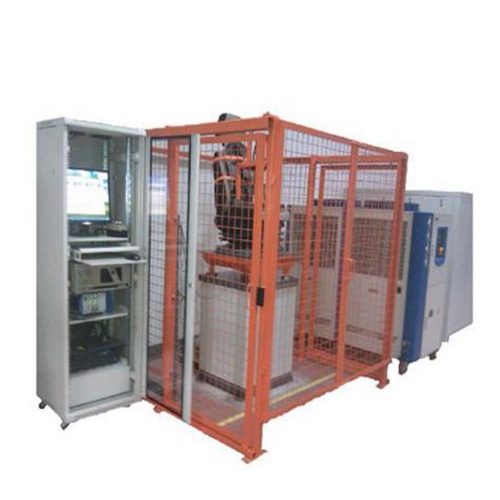
The Automotive Seat Dynamic Comfort Test System is a dedicated test rig designed to evaluate the dynamic comfort performance of vehicle seats under simulated vibration and loading conditions. The system is capable of measuring key dynamic parameters such as dynamic stiffness, natural frequency, damping ratio, and vibration transmissibility (H curve). These parameters are essential for assessing seat behavior, occupant comfort, and vibration isolation performance in realistic driving environments.
Application
(1) Dynamic comfort performance evaluation of automotive seats.
(2) Measurement of dynamic stiffness and vibration characteristics of seat structures.
(3) Determination of natural frequency and damping ratio of seat systems.
(4) Vibration transmissibility (H-curve) analysis under vertical and horizontal excitation.
(5) Development and validation testing for passenger car, commercial vehicle, and bus seats.
(6) Testing of complete seat assemblies, seat frames, cushioning systems, and suspension components.
Standards
(1) QC/T 55-1993: Test Methods and Evaluation of Automotive Seat Dynamic Comfort
(2) ISO 2631-1: Mechanical Vibration and Shock – Evaluation of Human Exposure to Whole-Body Vibration
(3) ISO 10326-1: Mechanical Vibration – Laboratory Method for Evaluating Vehicle Seat Vibration
(4) SAE J2896: Measurement of Whole-Body Vibration of Vehicle Seats (Reference Method)
Parameters
| Parameter | Unit | Value |
|---|---|---|
| Vertical loading force | N | 500 – 5000 |
| Horizontal loading force | N | 200 – 2000 |
| Vertical stroke | mm | ±50 – ±200 |
| Horizontal stroke | mm | ±30 – ±150 |
| Pitch angle stroke | ° | ±5 – ±30 |
| Vertical vibration frequency | Hz | 0.5 – 20 |
| Horizontal vibration frequency | Hz | 0.2 – 10 |
| Force control accuracy | – | ±1% – ±3% FS |
| Displacement control accuracy | mm | ±0.1 – ±0.5 |
| Power supply | – | AC 380 V, 50 Hz |
Features
(1) Capable of simultaneous vertical, horizontal, and pitch excitation.
(2) Accurate measurement of dynamic stiffness, damping, and transmissibility.
(3) Wide force, displacement, and frequency ranges to simulate various driving conditions.
(4) High control accuracy ensuring stable and repeatable test results.
(5) Suitable for full seat assemblies and individual seat components.
(6) Compliance with QC/T 55-1993 test requirements, including all parameters specified in Section 6.
Accessories
(1) Seat mounting fixtures and adapters
(2) Load cells for vertical and horizontal force measurement
(3) Displacement sensors
(4) Acceleration sensors
(5) Data acquisition and analysis software
(6) Control cabinet and operator interface
FAQ
1. What is this product?
It is a test system designed to evaluate the dynamic comfort performance of automotive seats under vibration and load conditions.
2. What is it used for?
It is used to measure dynamic stiffness, natural frequency, damping ratio, and vibration transmissibility of vehicle seats.
3. Why is this product important?
Dynamic comfort directly affects occupant comfort and fatigue; accurate testing ensures seat designs meet comfort and safety requirements.
4. Which industries is it suitable for?
Automotive OEMs, seat manufacturers, Tier 1 suppliers, testing laboratories, and automotive research institutes.
5. What are similar products?
Seat vibration test rigs, multi-axis vibration test systems, and whole-body vibration evaluation platforms.
If you're ready to take the next step, Leave your message below and we'll reply soon. 20+ years of manufacturing & export experience, a partner you can trust.